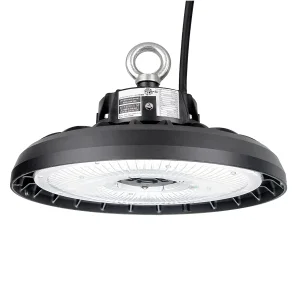
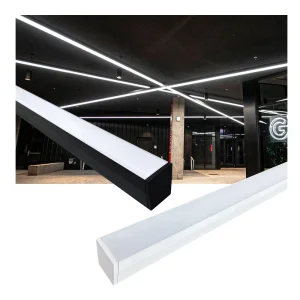
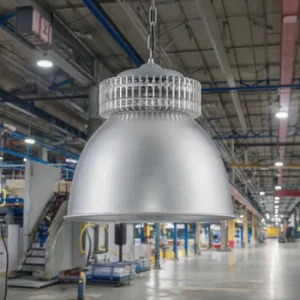
Engineered for immediate integration within Aichi's manufacturing centers and warehouses
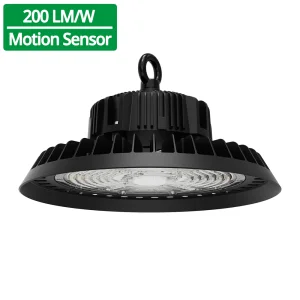
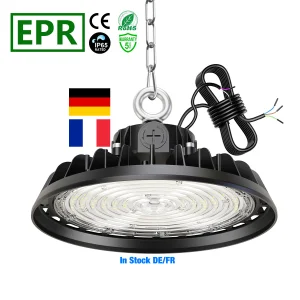
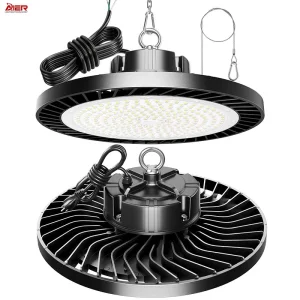
Addressing Aichi Prefecture's specialized requirements for heavy industries, safety, and strict carbon-reduction targets.
Nagoya, the capital of Aichi Prefecture, stands as Japan's undisputed industrial engine, representing a vast portion of the country's manufacturing output. From massive automotive production networks in Toyota City and Komaki to the aerospace clusters of Minato Ward, Nagoya's industrial landscape demands heavy-duty lighting systems capable of enduring harsh thermal cycles, high mechanical vibration, and continuous operations. For facility managers, procurement officers, and structural engineers in Nagoya, lighting is not merely an utility; it is a critical driver of operational precision, occupational safety, and energy efficiency.
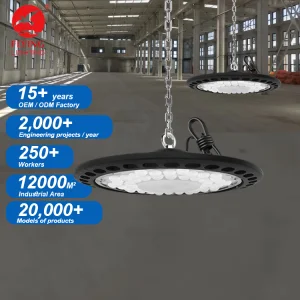
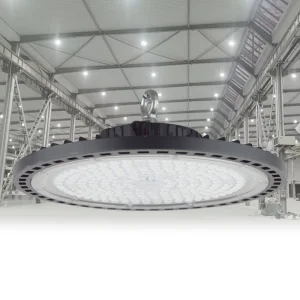
In heavy industries like automotive forging and die-casting, high ambient ceilings are common. Traditional metal halide or mercury vapor lamps suffer from fast lumen depreciation, high maintenance costs, and slow warm-up times. Furthermore, safety regulations set by the Japanese Industrial Standards Committee (JISC) dictate strict lux levels for complex machining and assembly lines to prevent errors. Implementing high-efficacy, glare-free, and intelligent UFO LED high bay fixtures ensures optimal lux levels while drastically reducing the heating load within conditioned production environments.
Why structural heat dissipation and optical design define long-term reliability in Nagoya's warm, humid summers.
The lifetime of an industrial LED fixture is fundamentally determined by its thermal junction temperature (Tj). As high bay installations typically sit between 6 to 15 meters above the workshop floor, hot air rises and gathers near the ceiling. In Nagoya's summer seasons, ceiling ambient temperatures can easily exceed 45°C. Without proper thermal engineering, high driver and chip temperatures lead to accelerated color shifting and structural failures.
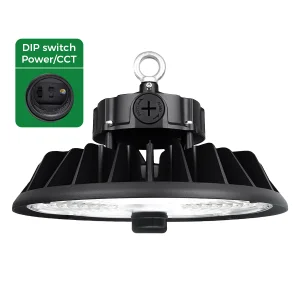
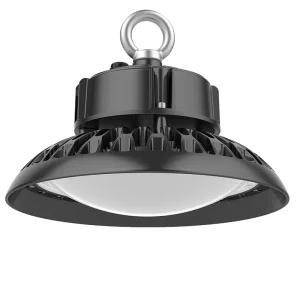
To combat this, NexLt engineered an advanced die-cast ADC12 aluminum heat sink housing. By optimizing the heat sink fin configuration, we utilize convection currents to guide hot air outward. The driver housing is physically separated from the LED engine, preventing thermal cross-talk. This ensures that even in continuous 24/7 operations, internal components remain well below critical temperature thresholds.
| Technical Metric | Standard LED High Bays | NexLt Professional Series (Nagoya Spec) |
|---|---|---|
| Luminous Efficacy | 120 - 140 Lm/W | 160 - 200 Lm/W (Premium Chips) |
| Thermal Material | Standard Recycled Aluminum | Die-Cast ADC12 Aluminum with Active Ventilation Fin Layout |
| Driver Integration | Generic Chinese Drivers | Inventronics / Sosen / MeanWell with 6kV-10kV Surge Protection |
| Color Rendering Index (CRI) | CRI > 70 | CRI > 80 (Standard for precise automotive inspection lines) |
| Optical Glare Index (UGR) | UGR > 25 (High Glare) | UGR < 22 with customized anti-glare PC covers |
Engineered to withstand explosion-hazard zones, heavy water spray, and precision manufacturing layouts
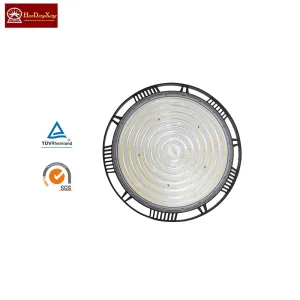
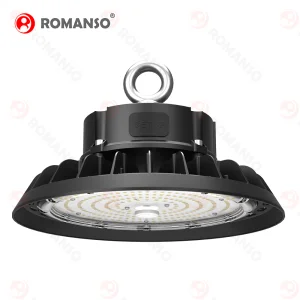
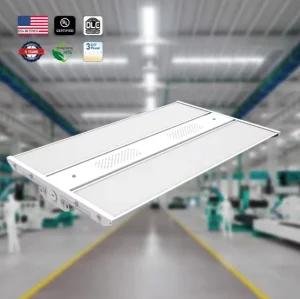
Direct manufacturing from Jiangmen to Port of Nagoya: Eliminating middleman markups while keeping high standards.
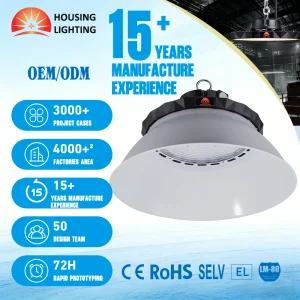
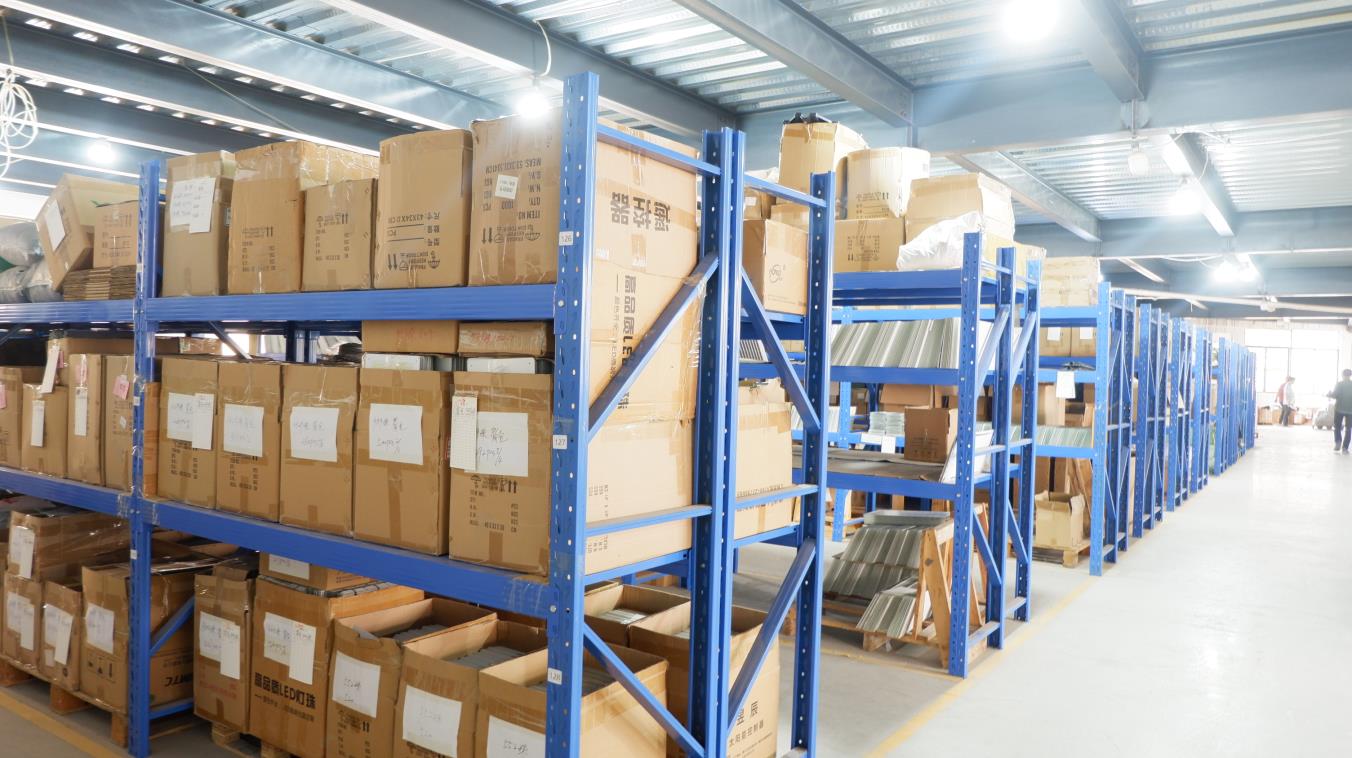
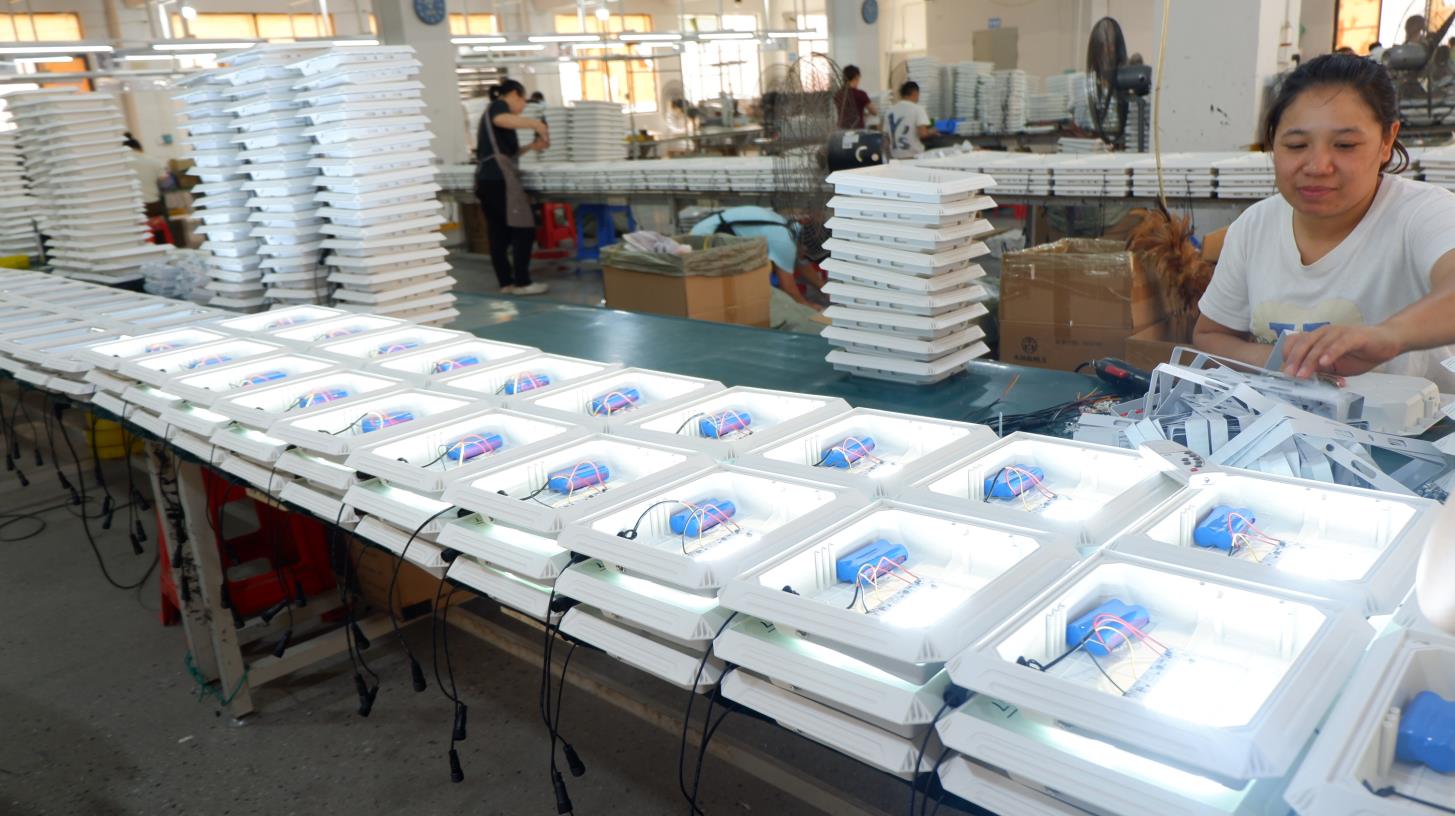
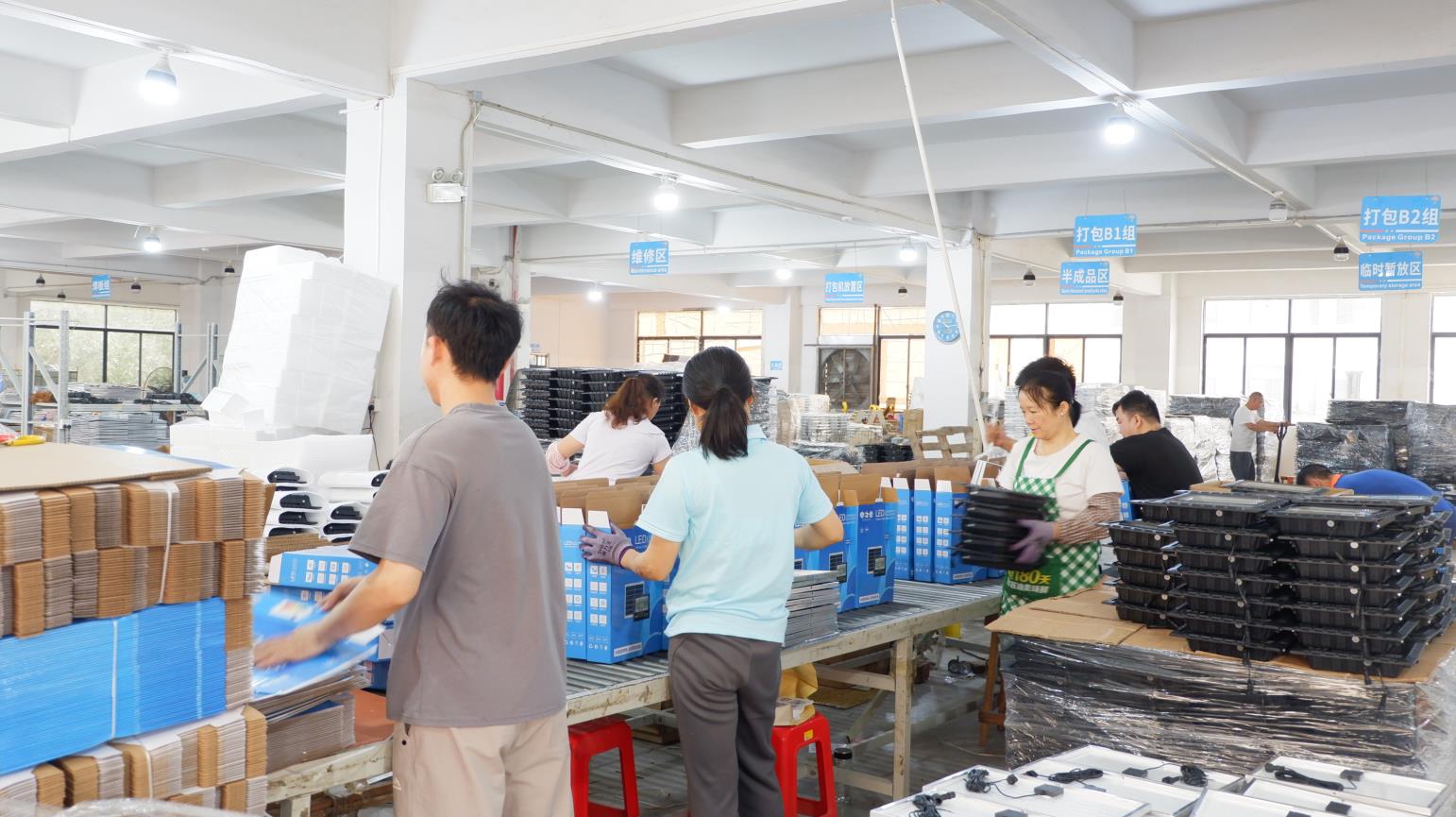
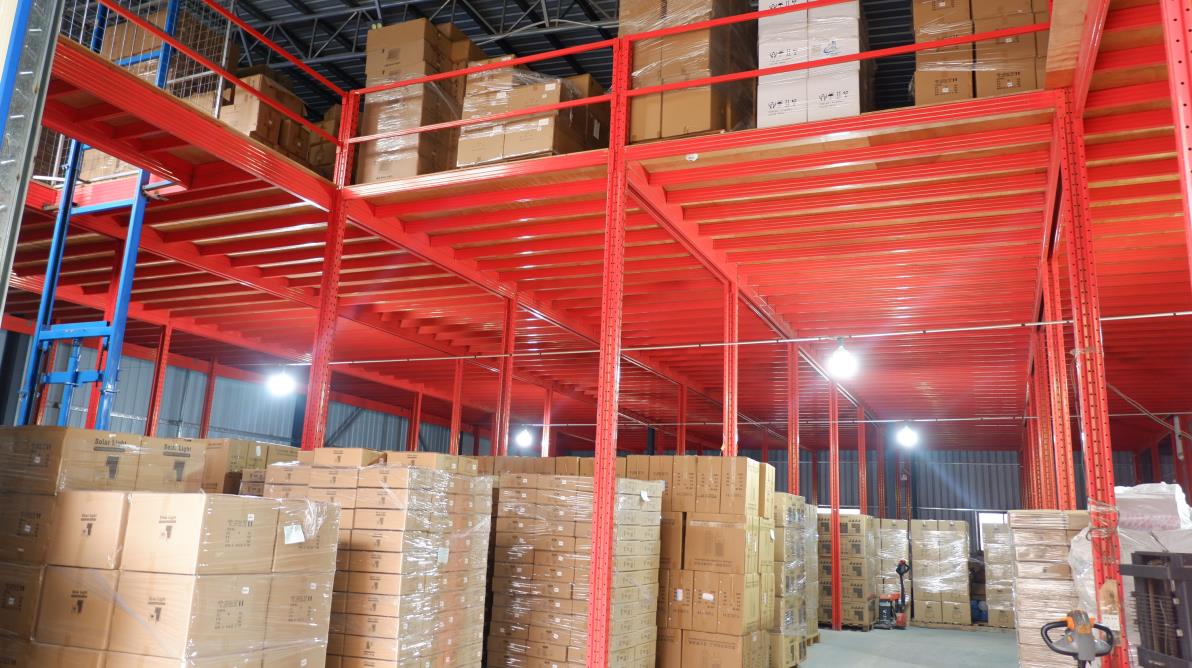
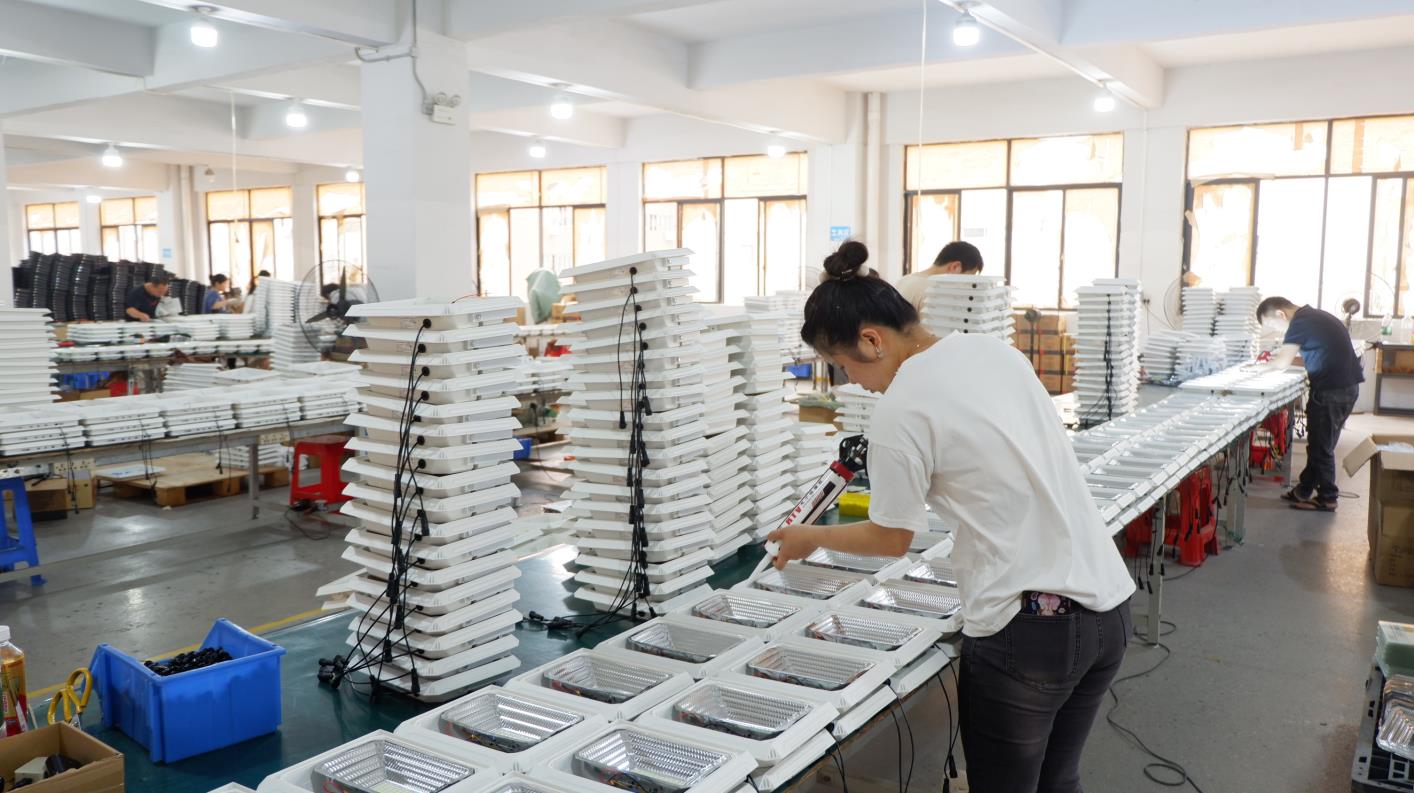
Jiangmen NexLt Light Co., Ltd. is a leading OEM and ODM manufacturer of industrial LED and solar-powered systems. Positioned in the Greater Bay Area of China, we leverage a highly localized electronic and hardware ecosystem to source premium materials efficiently. By directly exporting to the Port of Nagoya, we bypass multiple distribution layers, passing structural cost savings to industrial clients and commercial developers throughout central Japan.
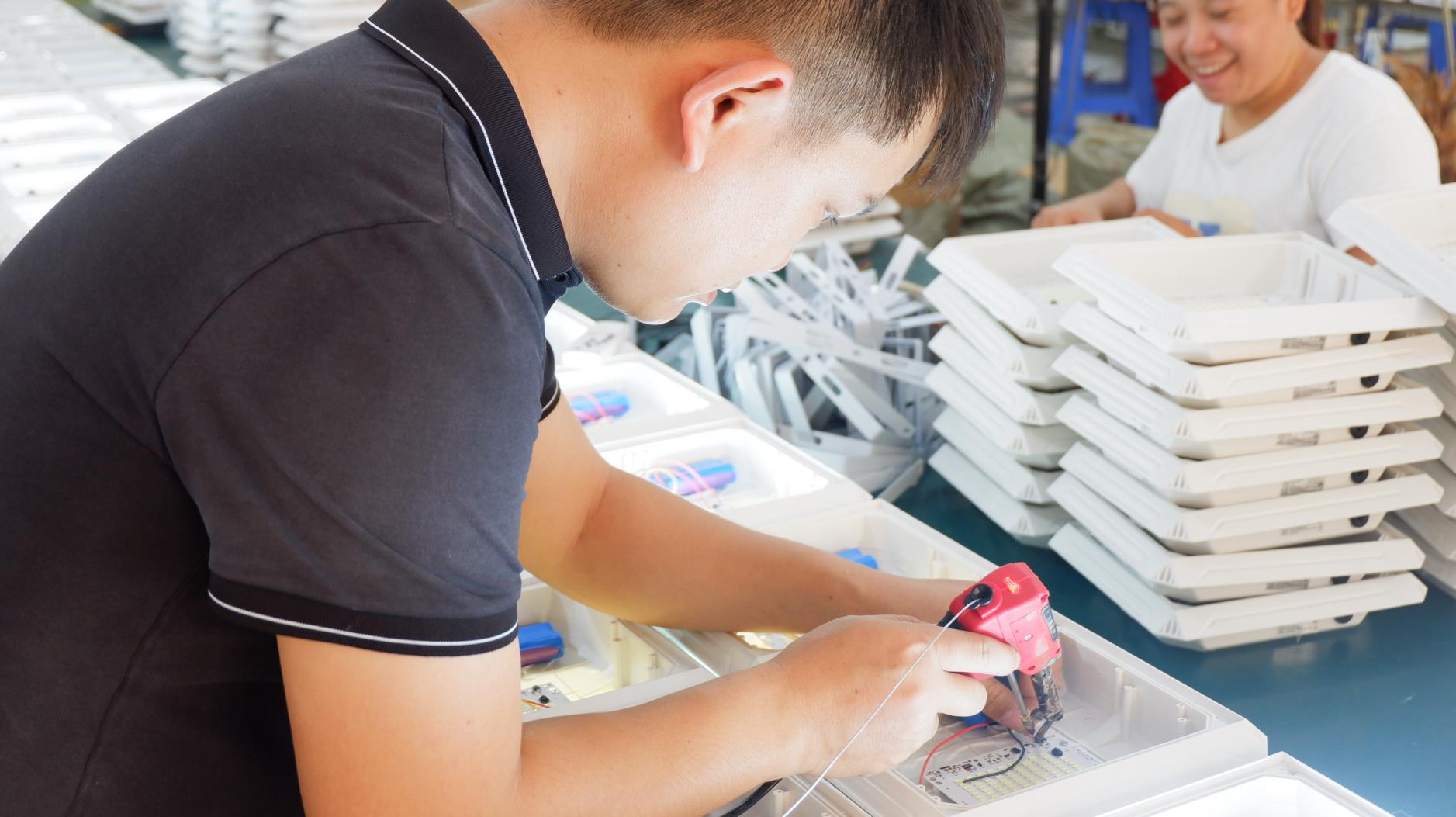
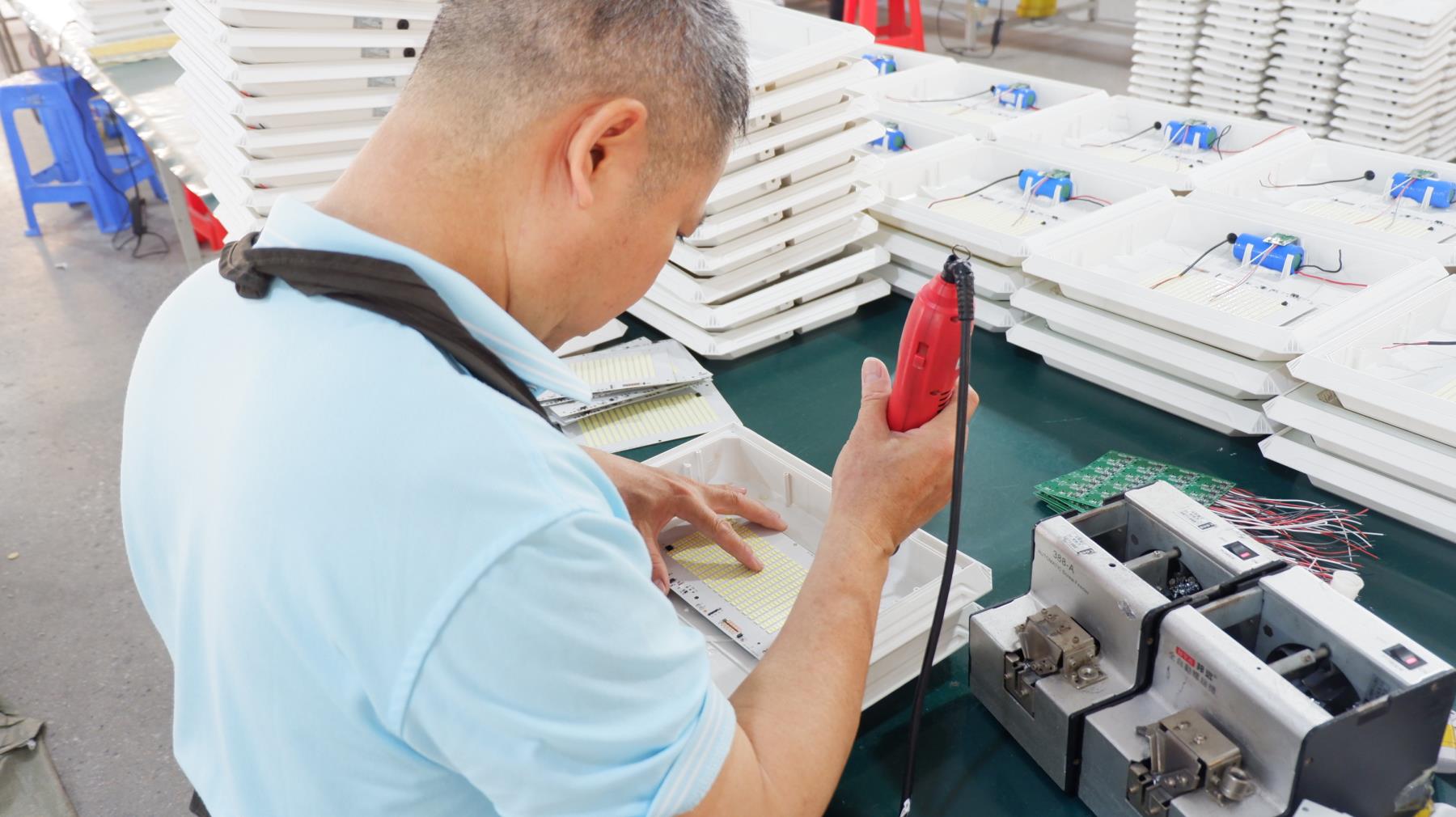
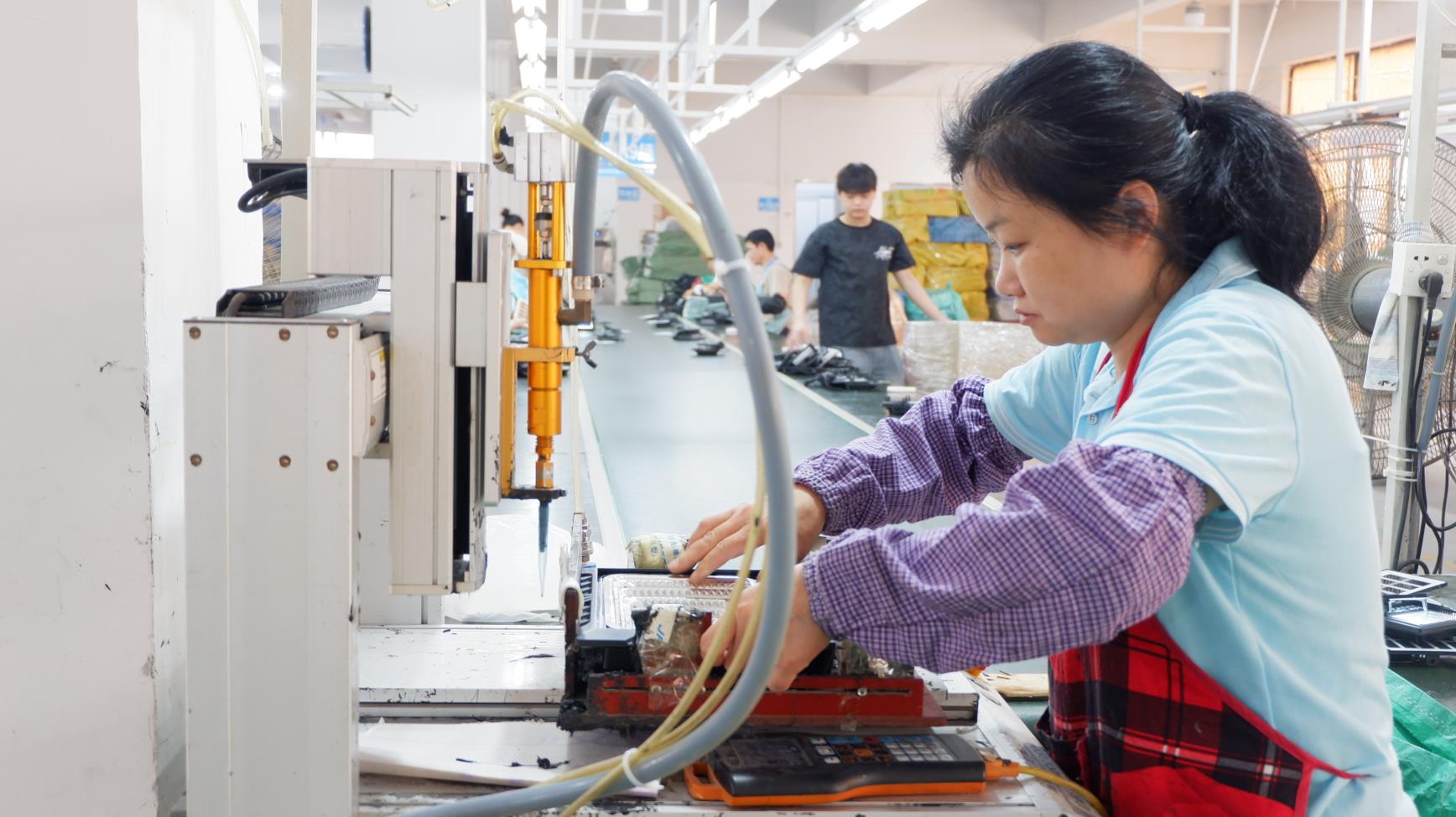
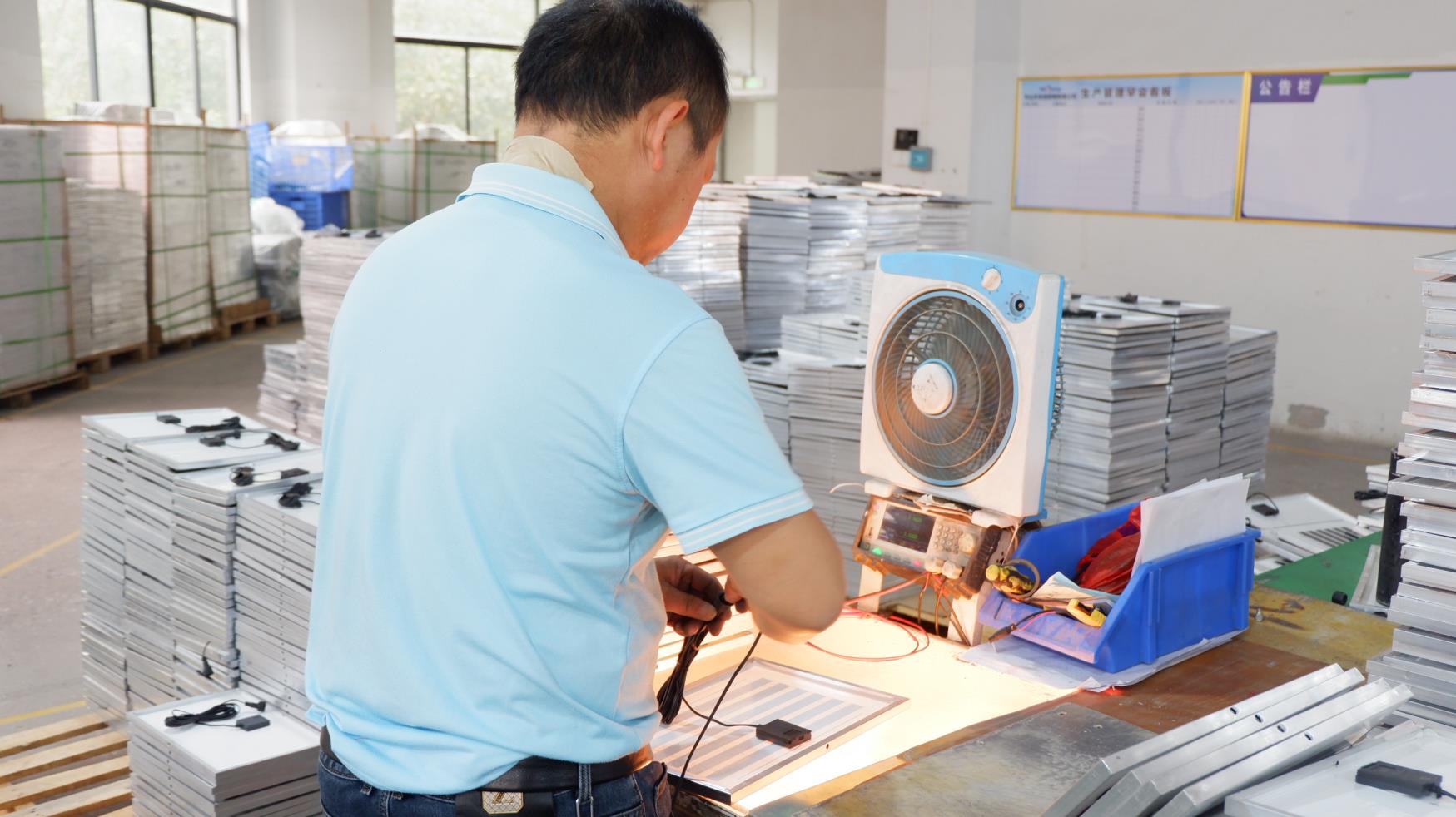
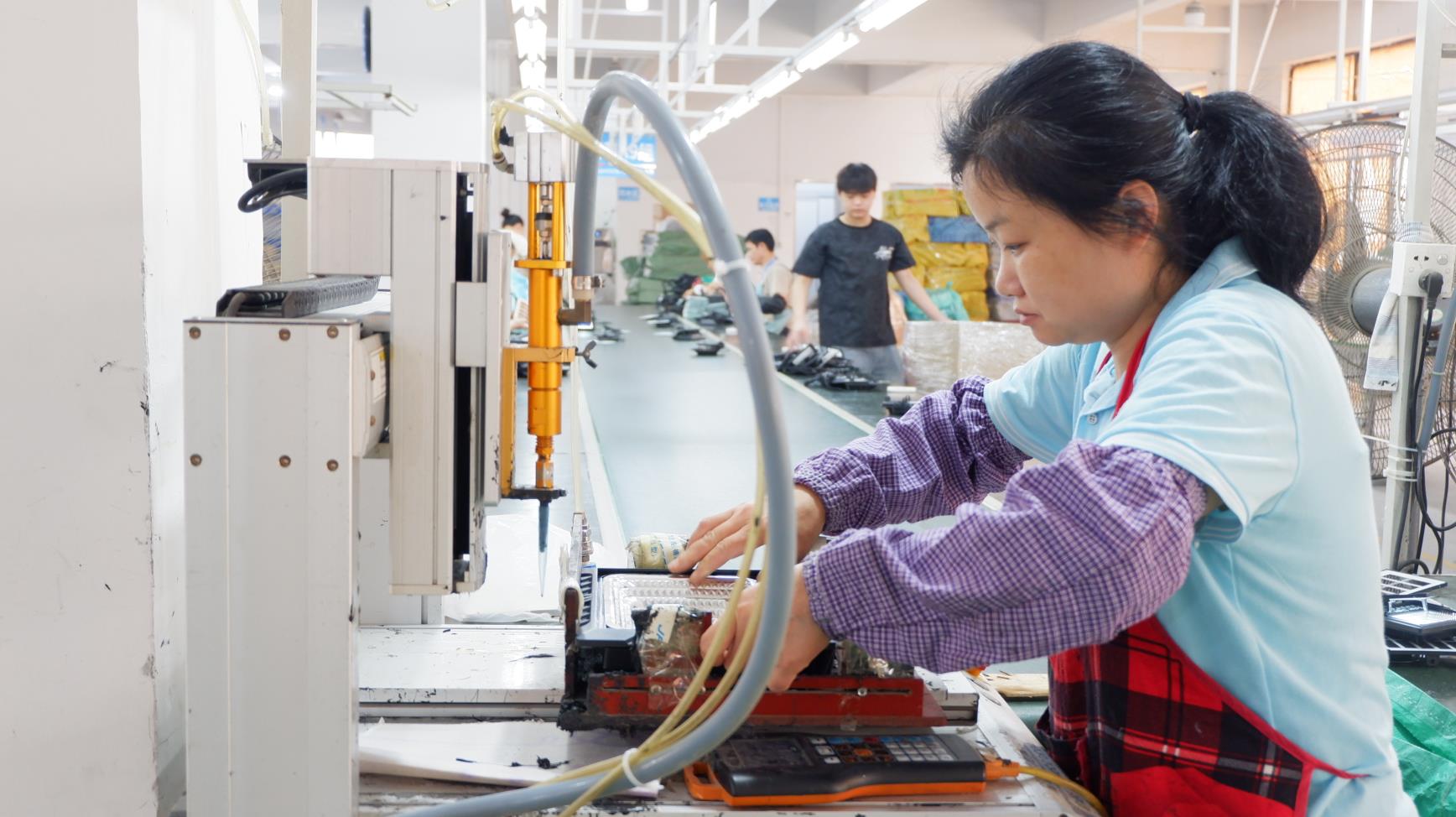
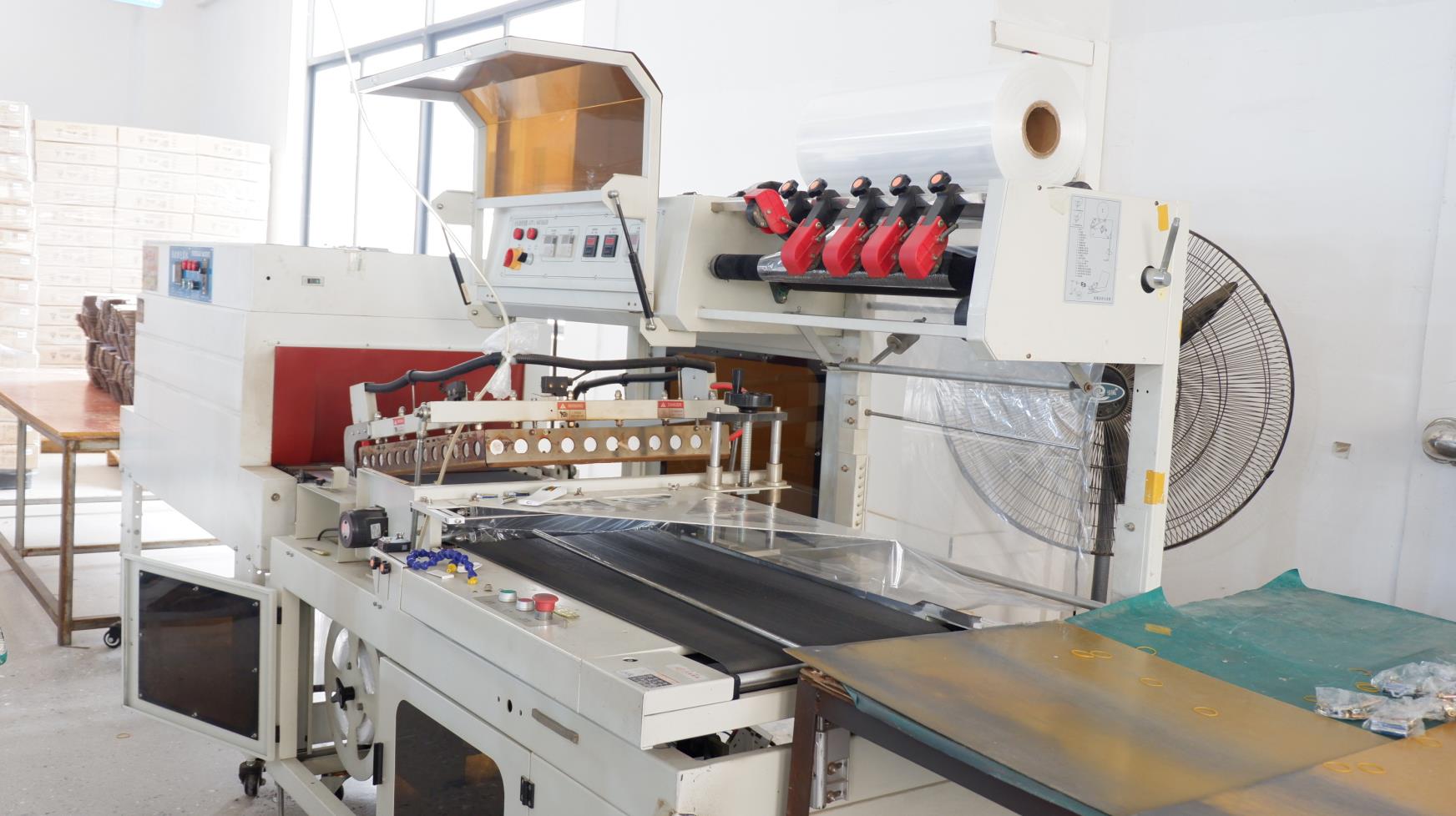
Our Quality Management System operates strictly under the ISO 9001 structure. Every industrial LED high bay fixture undergoes a rigorous 12-step validation process, ensuring zero defects during transit and immediate field deployment. We perform EL testing, pressure testing for IP levels, high-voltage insulation tests, and a 48-hour continuous thermal aging cycle to ensure driver and LED board stability.
Navigating PSE regulations, JISC rules, and optimal placement parameters for industrial spaces
Importing electrical appliances into Japan requires strict adherence to the Electrical Appliance and Material Safety Act. UFO LED High Bay Lights are categorized as high-power fixtures and must bear a valid PSE (Product Safety Electrical Appliance & Material) mark. Our specialized export models to Japan undergo certified third-party evaluations to confirm that insulation distance, heat generation under fault conditions, electromagnetic compatibility (EMC), and harmonic current levels comply with the Ministry of Economy, Trade and Industry (METI) standards.
In addition, lighting layouts must adhere to Japanese Industrial Standard (JIS) Z 9110 (General Rules for Recommended Lux Levels). The table below showcases the target lux distributions for different environments in Nagoya's industrial areas:
Get a complete lighting plan containing lux mapping, spacing optimization, and energy calculation sheets.
Send Inquiry NowResolving core engineering and procurement questions for engineering departments in Nagoya
A complete selection of energy-saving lighting systems for Nagoya's commercial and industrial spaces
 NexLt Light