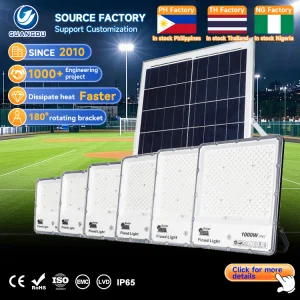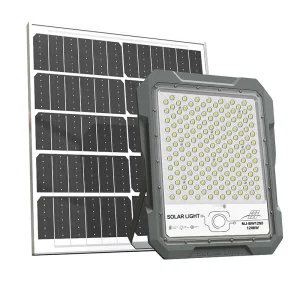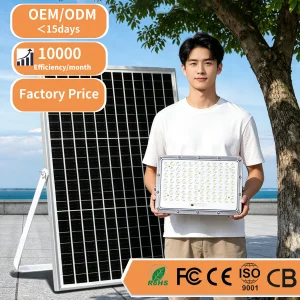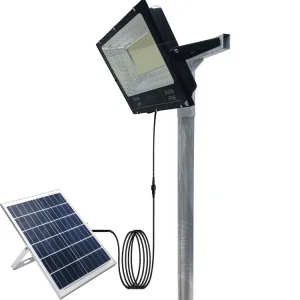
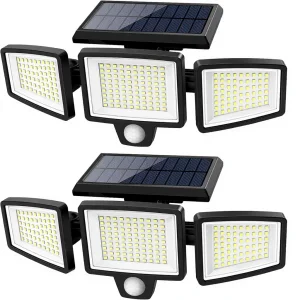
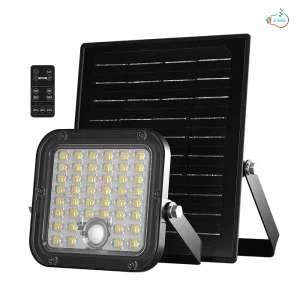
Paraguay occupies a unique position in South America's energy paradigm. Boasting the world’s highest per capita clean electrical output via massive hydroelectric plants like Itaipu and Yacyretá, the country's primary challenge lies not in generation, but in distribution infrastructure. Rural development, agricultural expansion in the vast Chaco region, and logistics hubs along the Paraguay-Paraná waterway frequently suffer from localized blackouts, high distribution grid hook-up fees, and grid instability.
For engineering contractors, municipal buyers, and distributors in Asunción and Ciudad del Este, commercial-grade solar flood lights have emerged as the most reliable, cost-efficient, and maintenance-free alternative to traditional wired street and security lighting.
"With average solar radiation values spanning 4.8 to 5.6 kWh/m²/day across the country, solar-powered systems provide predictable, zero-fuel-cost illumination for warehousing facilities, municipal spaces, and agricultural estates."
However, procuring high-power solar lighting systems for Paraguay demands deep engineering consideration. The subtropical climate yields extreme summer temperatures reaching 43°C, followed by torrential seasonal downpours and high relative humidity. Standard consumer-grade solar components fail rapidly under these conditions. B2B buyers require heavy-duty die-cast aluminum fixtures, advanced MPPT charging controllers, and LiFePO4 battery modules equipped with robust thermal management.
Jiangmen NexLt Light Co., Ltd. is a professional manufacturer, processor, and supplier specializing in high-output solar energy projector lamps, street lamps, LED products, industrial lighting fixtures, precision-engineered lamp accessories, and integrated off-grid energy systems.
With our roots in China's advanced lighting manufacturing hub of Jiangmen, we provide global B2B clients with comprehensive structural and electrical services. This includes product design, advanced shell parts manufacturing, custom optical lens design, and dedicated post-installation technical guidance.
Equipped with state-of-the-art production machinery, environmental test chambers, and a senior engineering team, we prioritize micro-level quality control. We continually update our product architecture to accommodate the extreme weather profiles of South American export regions, notably Paraguay's humid plains and the dry Chaco.
Our unwavering dedication to durability, commercial integrity, and cost-effective design has positioned NexLt as a trusted manufacturing partner for lighting distributors, industrial project managers, and governmental contractors worldwide.
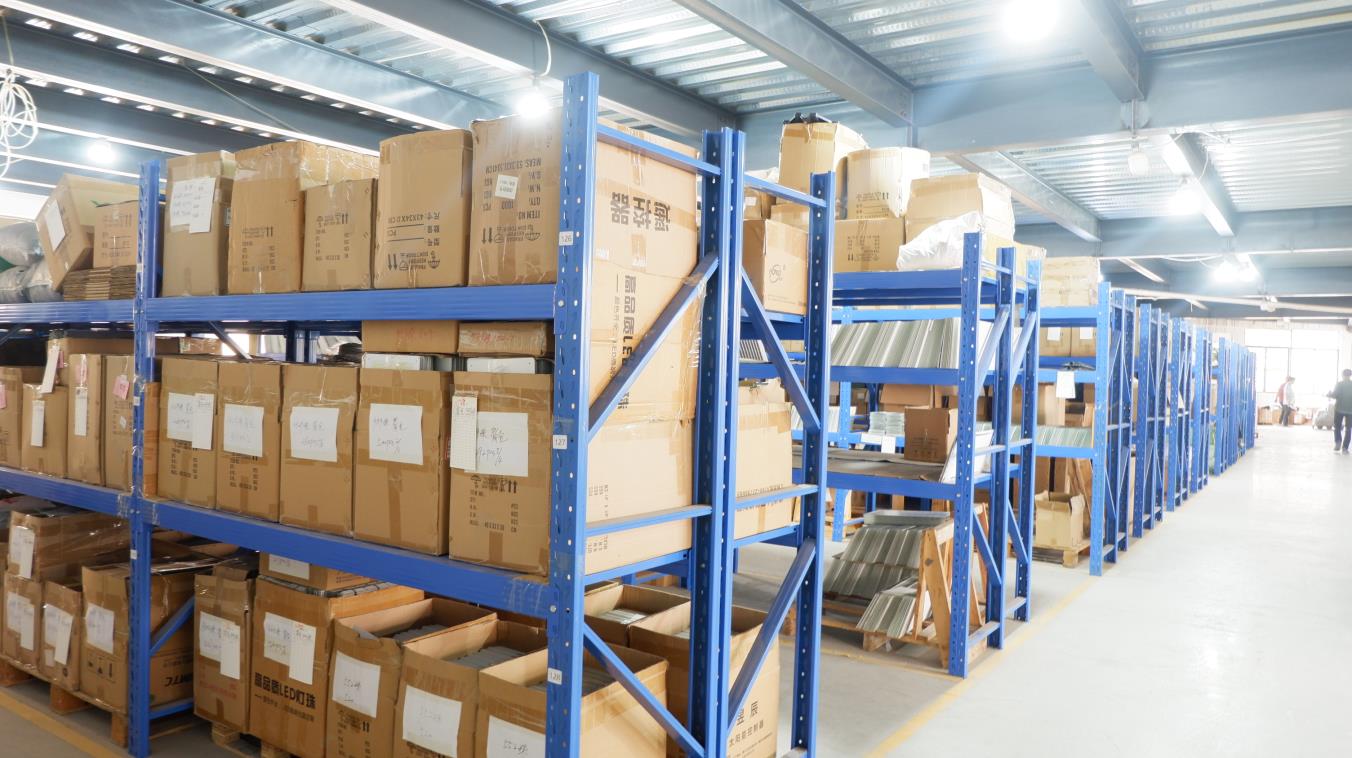
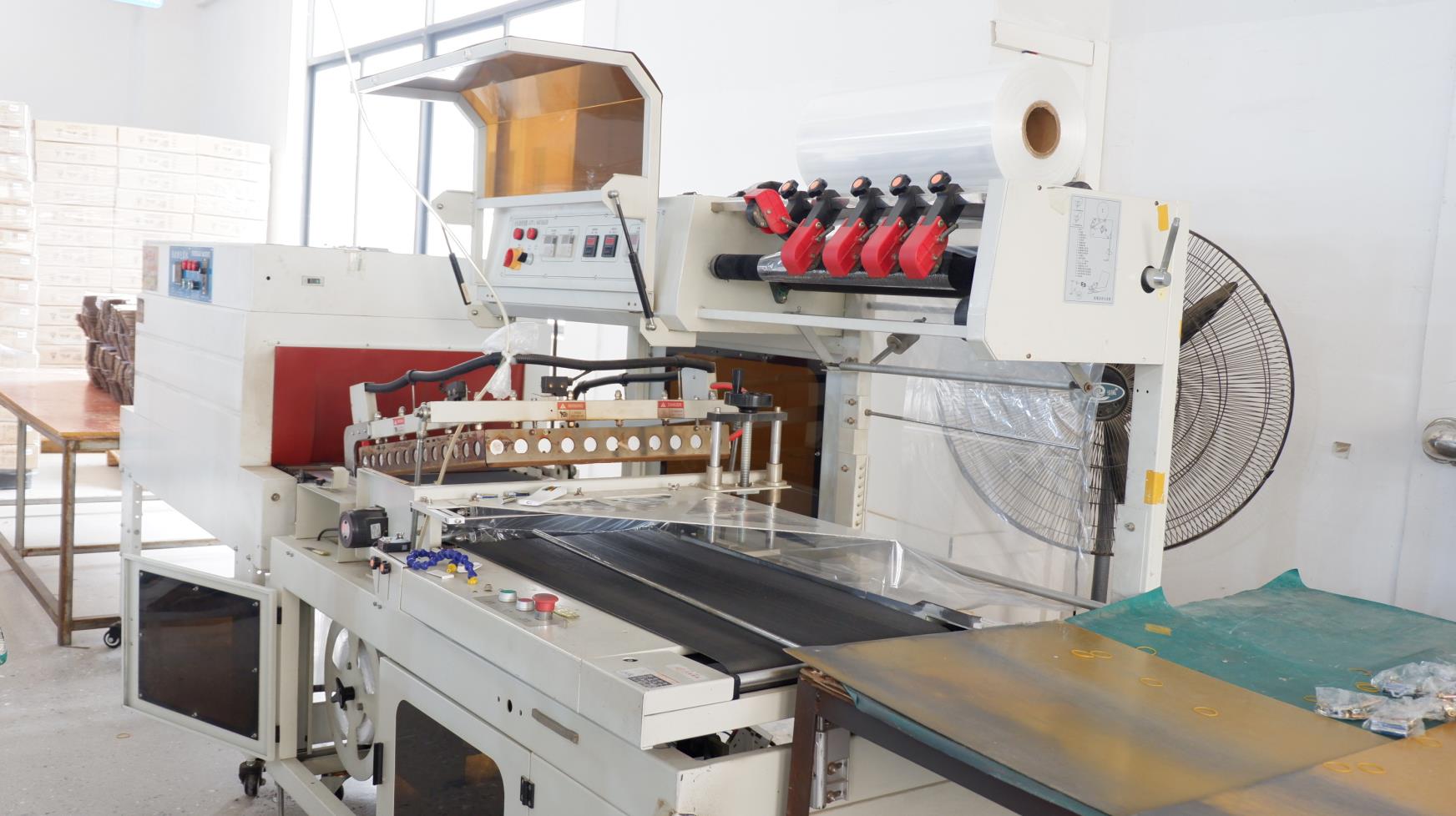
Take an inside look at our advanced manufacturing facilities. From raw material intake to automated optical calibration and waterproof aging chambers, our factory guarantees structural stability and performance in every batch.
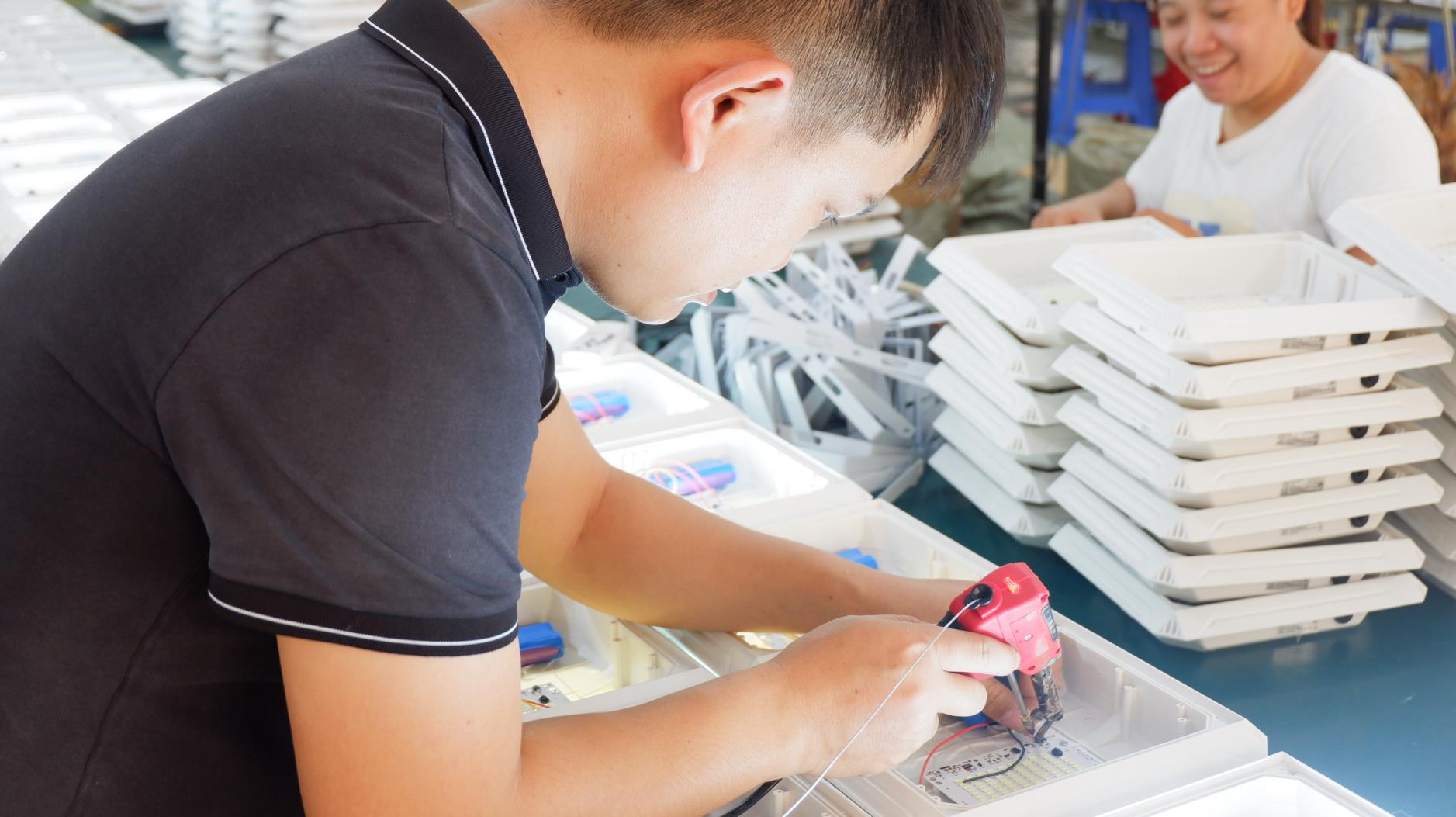
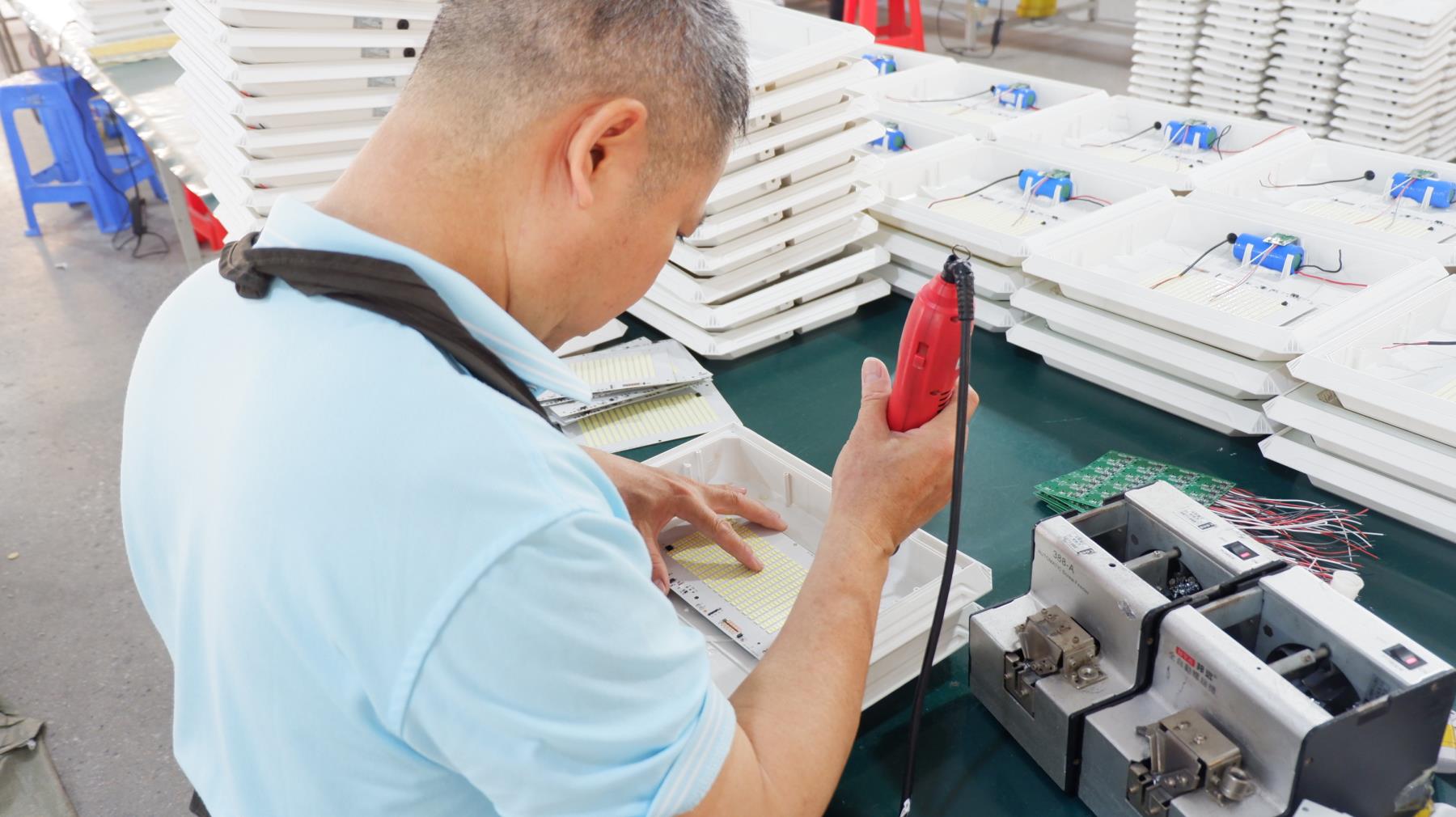
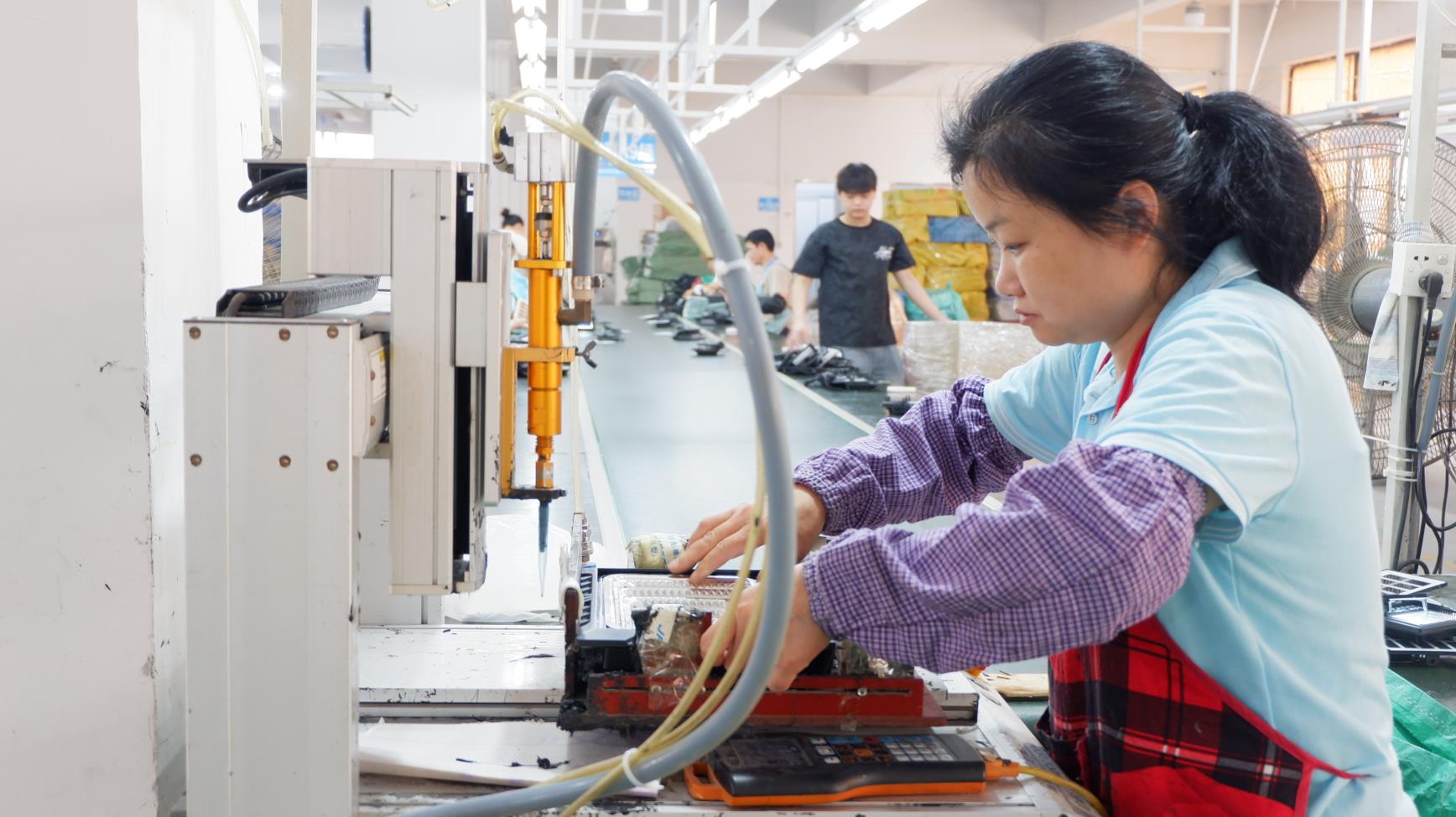
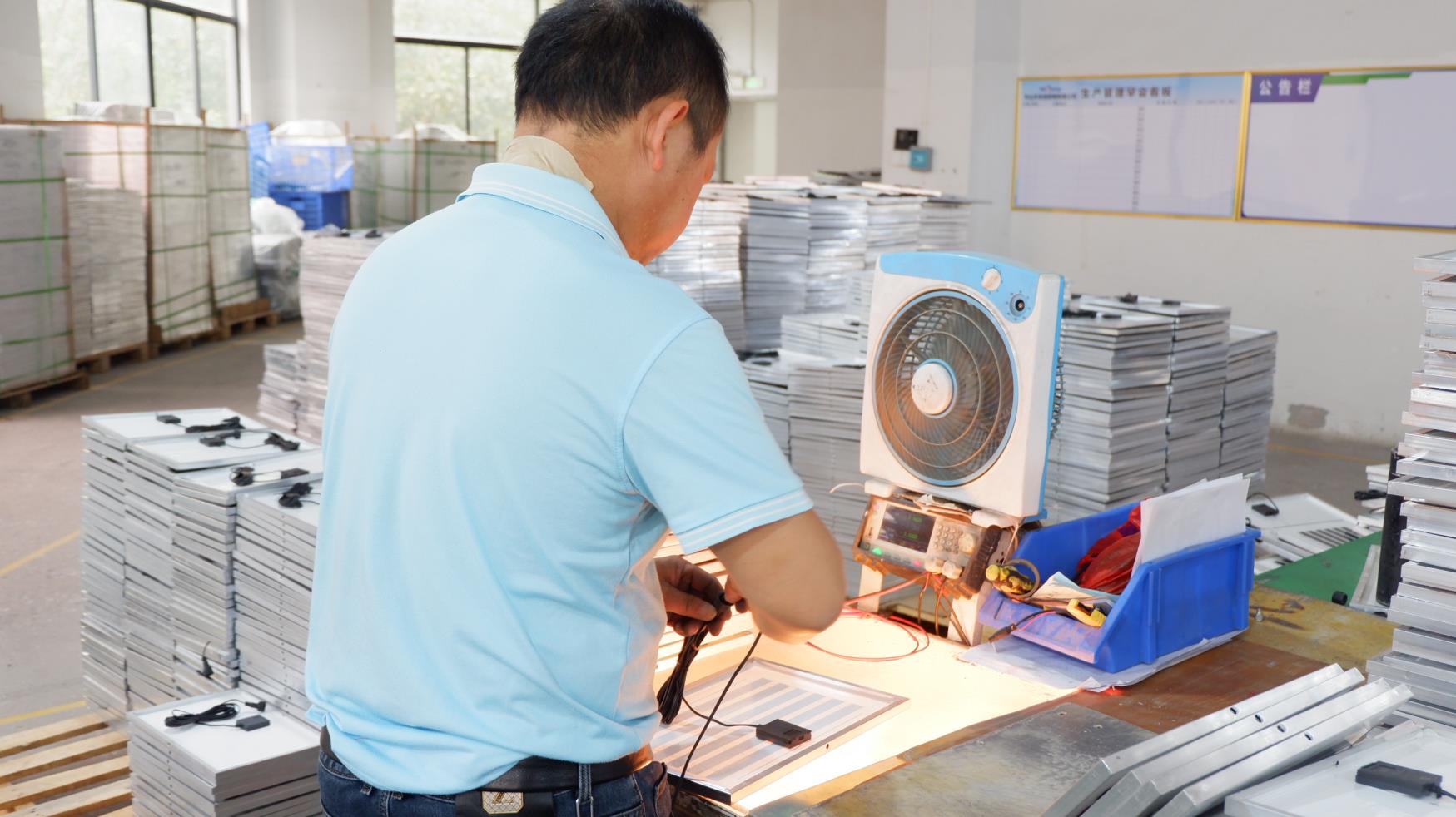
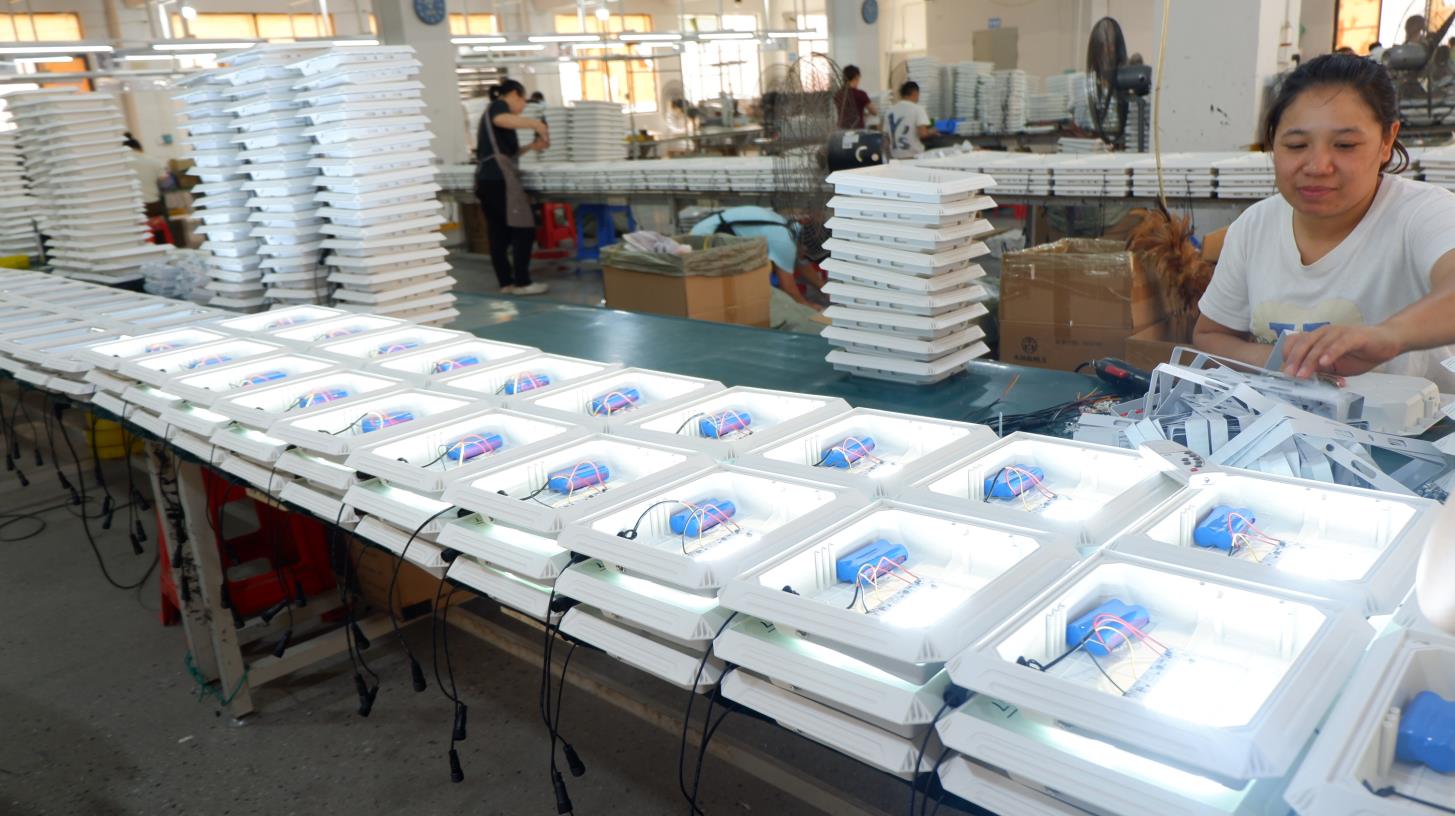
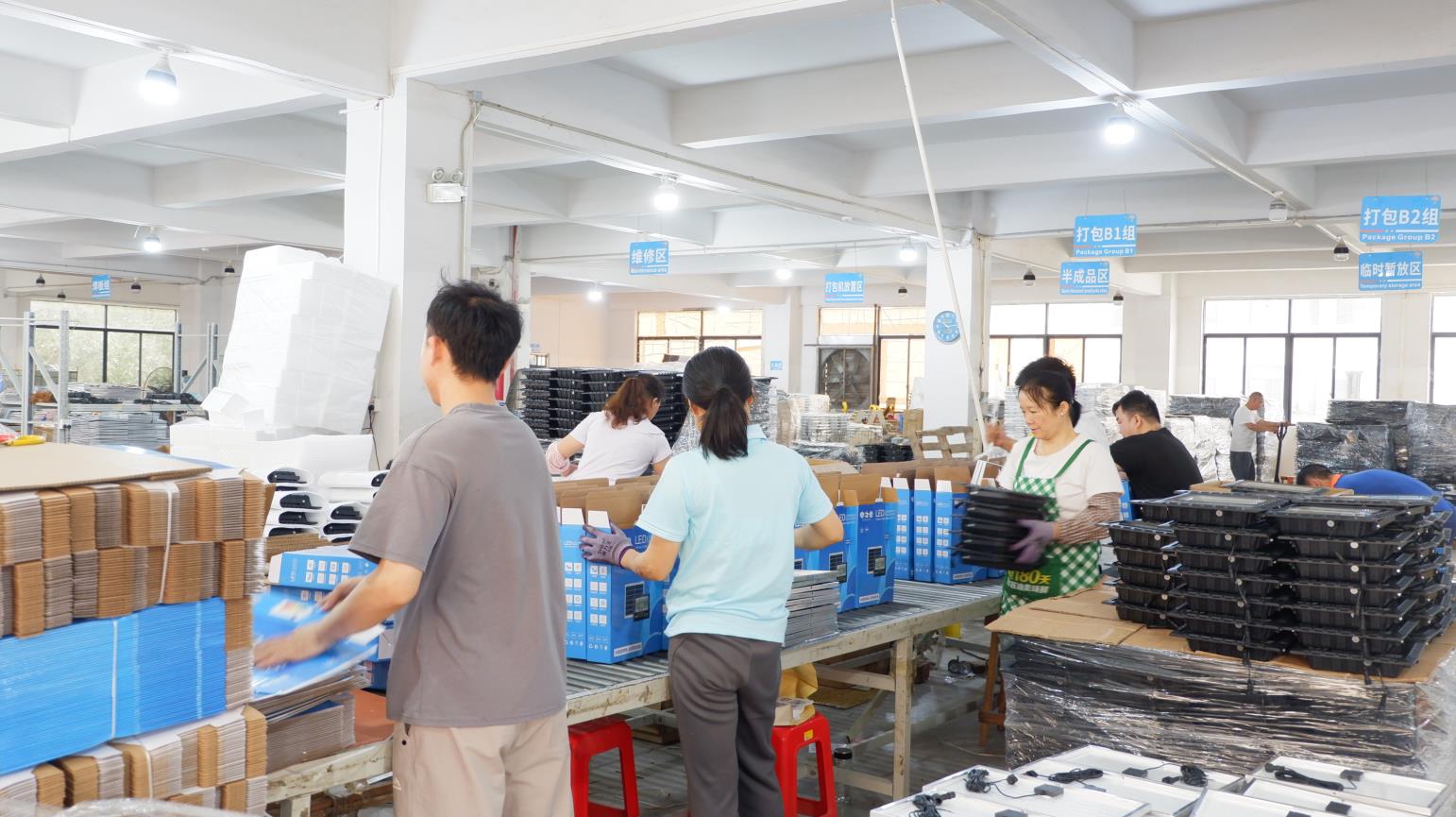
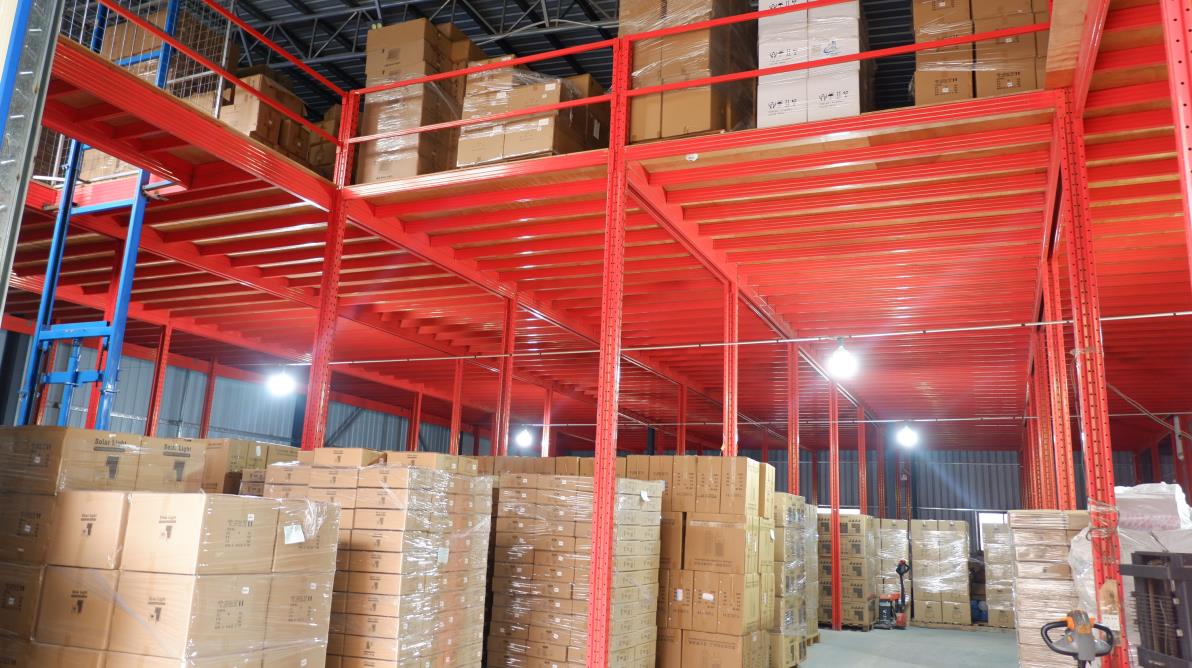
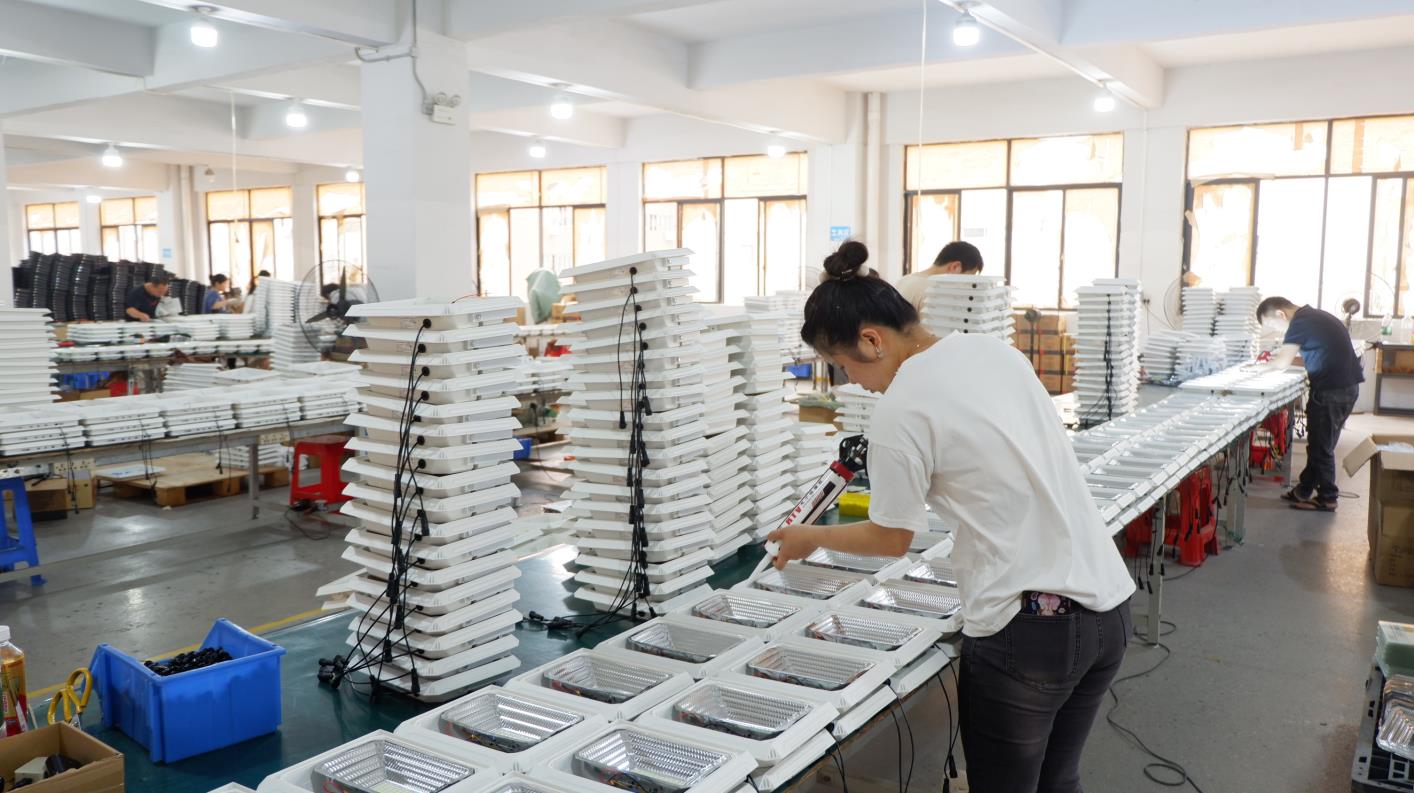
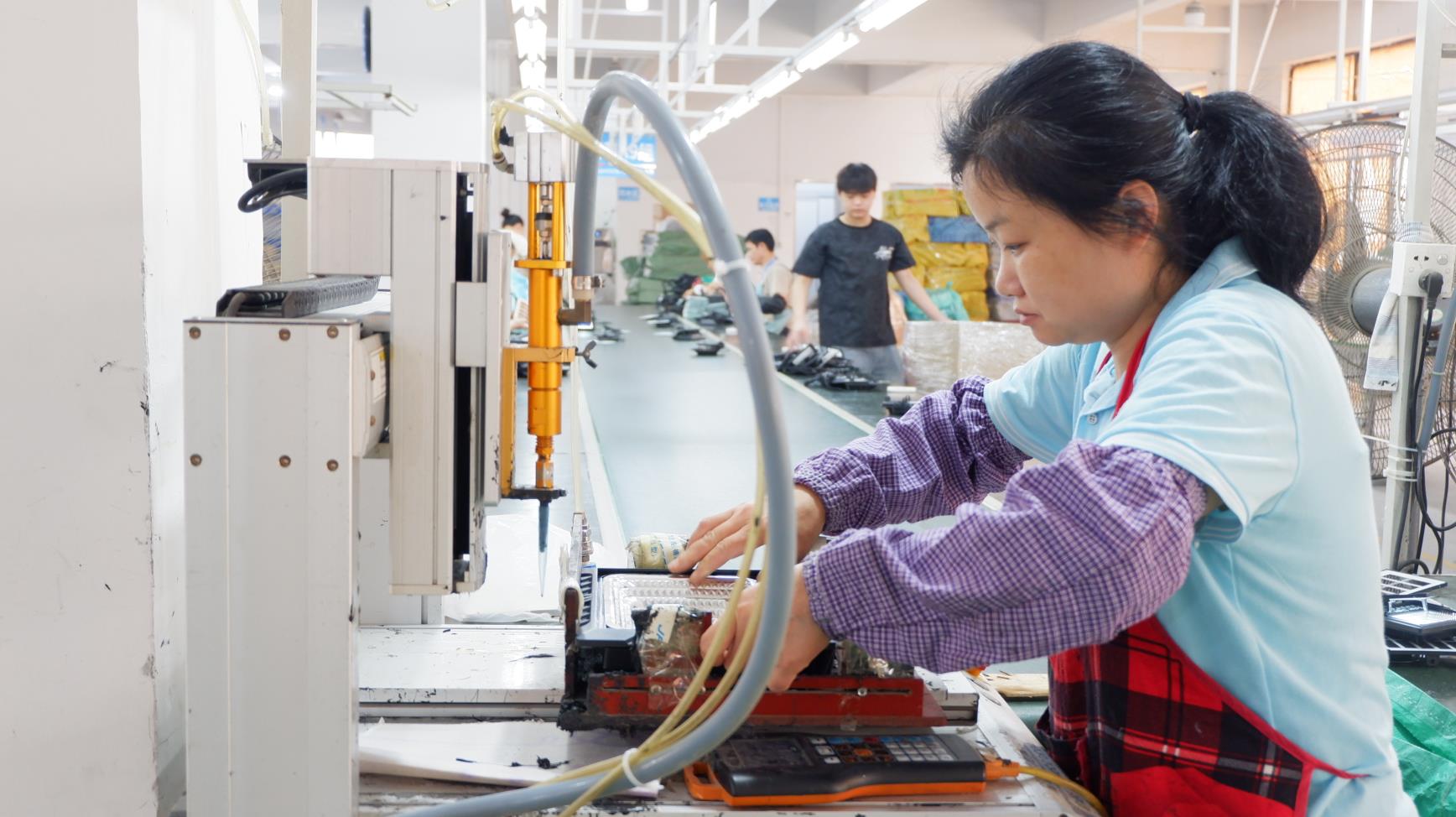
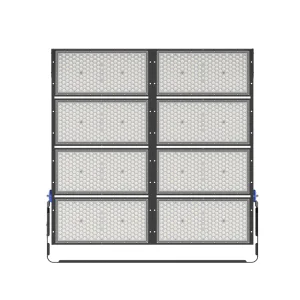
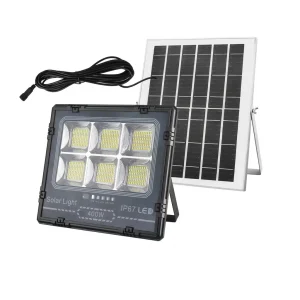
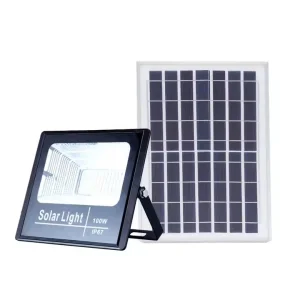
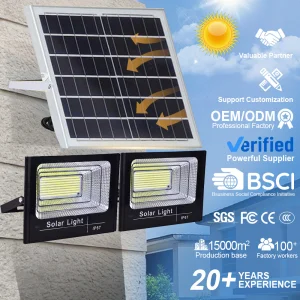
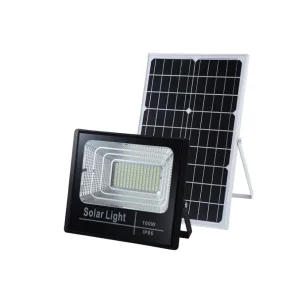
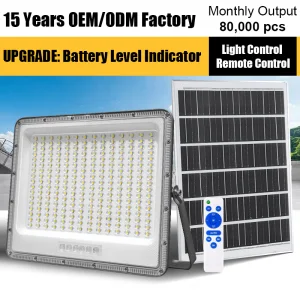
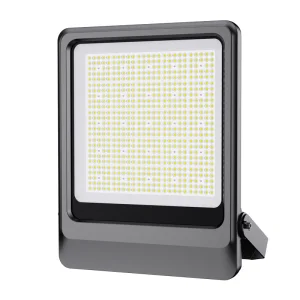
Our solar flood lights are systematically structured around key engineering issues common to South America. High relative humidity and saline moisture present in river valleys are mitigated through an electrophoretic coating layer over marine-grade die-cast aluminum alloys.
To prevent early condensation buildup inside the lens cover, each system features a specialized high-flow ventilation valve. This mechanism allows air pressure equalization inside the housing while blocking moisture entrance, ensuring the optical path remains clear for continuous light throw.
We use premium LiFePO4 chemistry cells, which operate efficiently across a wide temperature range (-20°C to +60°C). Our custom-programmed Battery Management Systems (BMS) prevent over-discharging during winter overcast phases while safeguarding cells against rapid current spikes during solar peaks in midsummer.
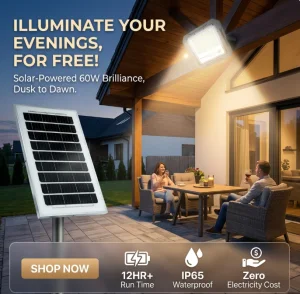
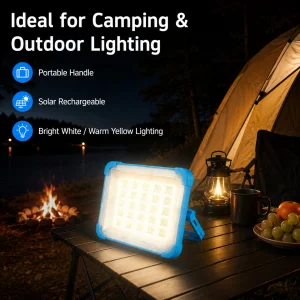
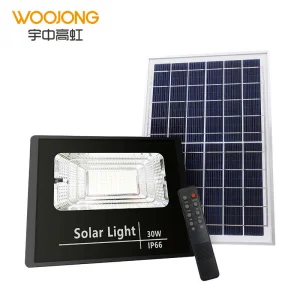
As a dedicated B2B manufacturing partner, NexLt Light streamlines the import process for buyers in Paraguay. Understanding that Paraguay is landlocked, we offer structured freight routing to guarantee timely arrival of commercial orders.
Typically, sea freight departs from Shenzhen, Nansha, or Guangzhou ports. Most shipments route via transshipment through Montevideo, Uruguay, or Buenos Aires, Argentina, before traveling by barge up the Paraná-Paraguay waterway directly to the Port of Asunción. Alternatively, containers can be routed through Paranaguá or Santos in Brazil, then transported overland directly into Ciudad del Este.
"We provide all required import documentation—including detailed Certificates of Origin, CE/RoHS test reports, and Bill of Lading files—to facilitate smooth customs clearance through Paraguay's customs authority."
Our systems utilize Lithium Iron Phosphate (LiFePO4) batteries paired with an integrated smart Battery Management System (BMS). Unlike standard lithium-ion chemistries, LiFePO4 has a thermal runaway threshold of 60°C. Combined with a ventilated die-cast aluminum housing, this configuration ensures stable performance even when ambient temperatures exceed 40°C in regions like the Chaco.
Typical shipping transit times range from 45 to 60 days. Cargo is transported via ocean carrier from Southern China ports to South American transshipment hubs (such as Montevideo or Paranaguá), followed by river barge or overland truck transport to destinations like Asunción or Ciudad del Este.
Yes. Under Paraguay's renewable energy promotion policies (including Law 3009/06 and its updates), clean energy system components like solar panels and specialized LED modules may qualify for reduced import tariffs. We suggest coordinating with a registered customs broker in Paraguay to verify the latest classifications.
Due to heavy seasonal rainfall in regions like Alto Paraná and Itapúa, we recommend an IP67 rating for high-mast and municipal lights. IP67 ensures the internal components remain dry even during intense downpours and high humidity cycles.
Yes. We offer customization options for mounting arms, slip-fitter brackets, and pole adapters to ensure compatibility with standard steel or octagonal concrete utility poles used by local contractors.
We use Grade-A LiFePO4 battery cells with a rated cycle life of 2,000 to 3,000 cycles at 80% Depth of Discharge (DoD). This provides an operational lifespan of 5 to 8 years under daily solar cycling.
The radar sensor detects movement within a 12-to-15-meter range. The system runs at a low energy-saving mode (typically 30% brightness) during inactive periods and instantly scales up to 100% brightness when motion is detected, conserving battery capacity during long, overcast winter nights.
We support project bidders by providing complete engineering documentation, including Dialux lighting simulations, photometric data files (.IES), manufacturing certifications, and custom sample sets for physical testing.
Connect directly with our engineering team for custom pricing, shipping calculations, and OEM/ODM configuration options tailored to Paraguay's industrial needs.
 NexLt Light