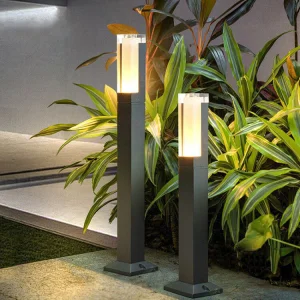
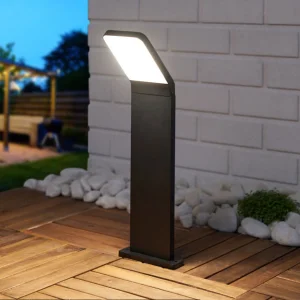
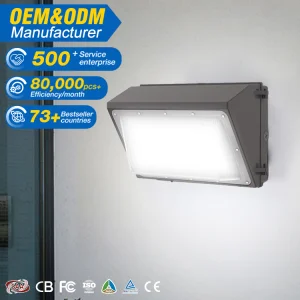
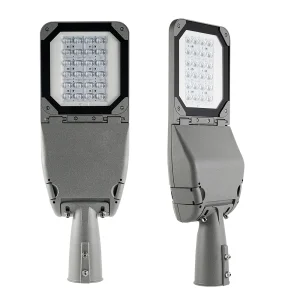
The global lighting market is undergoing a major shift driven by sustainable building standards and Dark Sky compliance laws. Municipalities worldwide are enacting ordinances to curb light pollution, protect nocturnal ecosystems, and reduce energy waste. Modern LED wall lanterns must incorporate precision-engineered optical cut-off shields and downward distribution angles. By focusing optical paths and minimizing high-angle glare (uplight rating U0), exporters ensure compliance with international dark sky standards, saving buyers from expensive building code violations and modification costs.
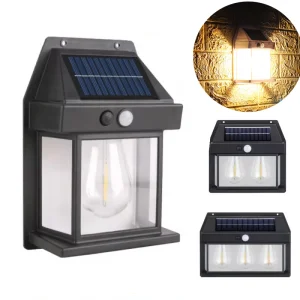
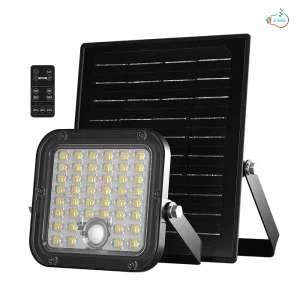
Furthermore, the transition to solar-assisted and fully grid-independent LED wall lanterns is accelerating. Integrated monocrystalline solar modules, combined with high-capacity Lithium Iron Phosphate (LiFePO4) energy storage and smart MPPT charging circuits, allow installations in remote, grid-deficient zones without the expensive trenching, conduit routing, or site remediation associated with traditional high-voltage cabling.
Exporting outdoor luminaires requires strict adherence to localized testing protocols and safety certifications. Different trade corridors enforce different compliance matrices:
Using high-grade ADC12 and A380 die-cast aluminum alloys minimizes thermal resistance. Proper heat dissipation prevents thermal runaway, protecting the LED chip junction temperatures and extending the overall operating life.
Our localized manufacturing capabilities support comprehensive ODM services. We offer custom photometrics, specific CCT options (from 2200K warm amber to 5000K bright daylight), custom brackets, and integrated emergency battery packs.
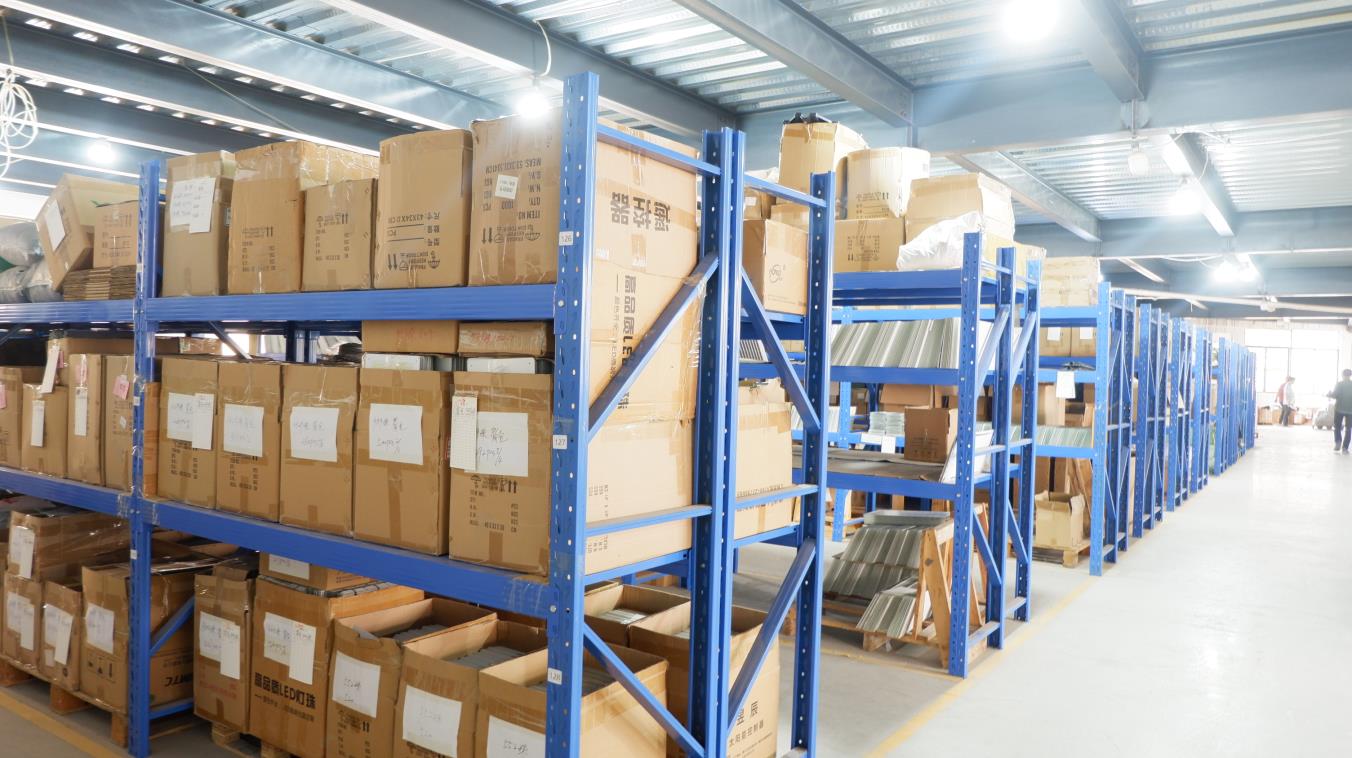
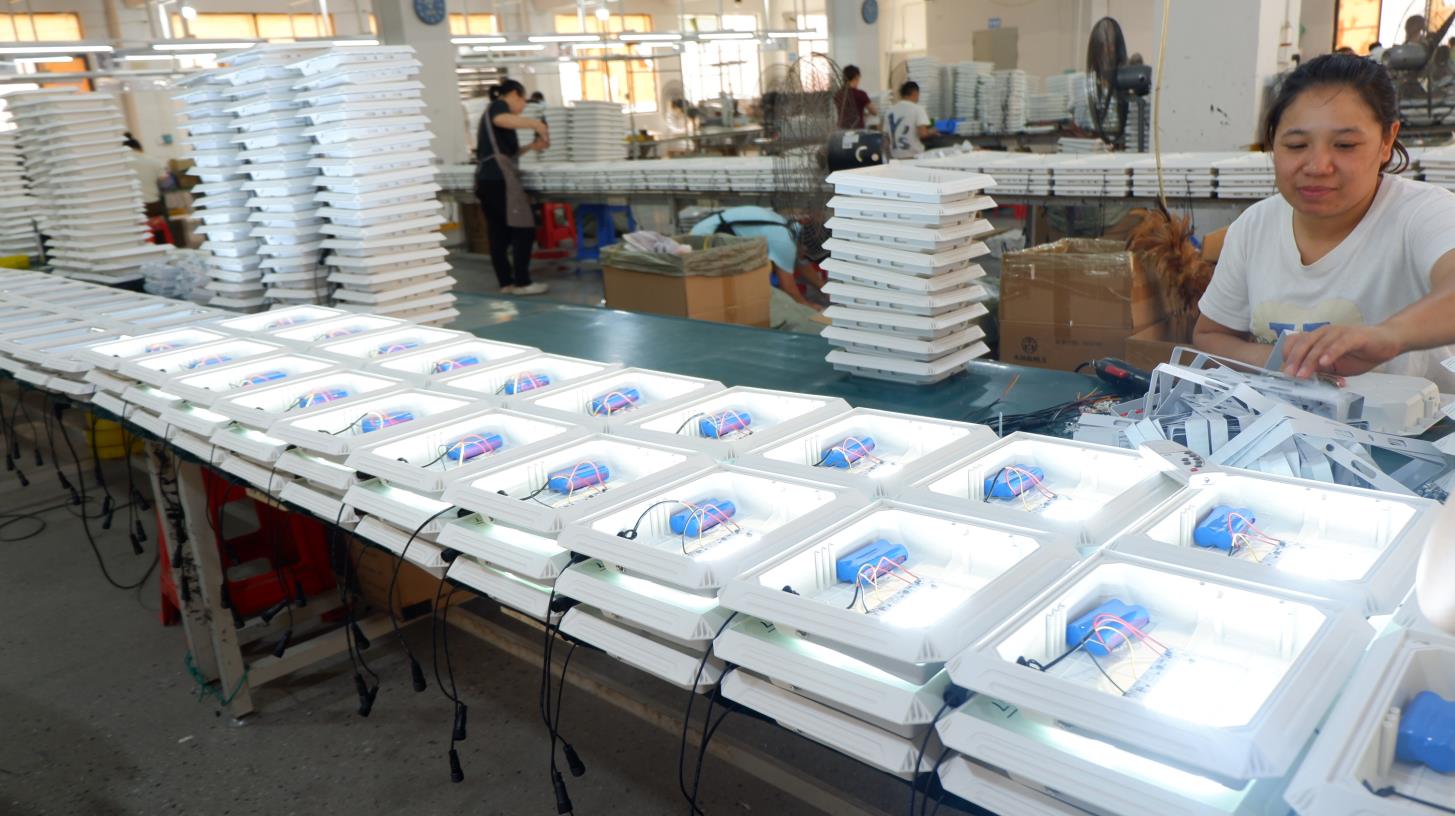
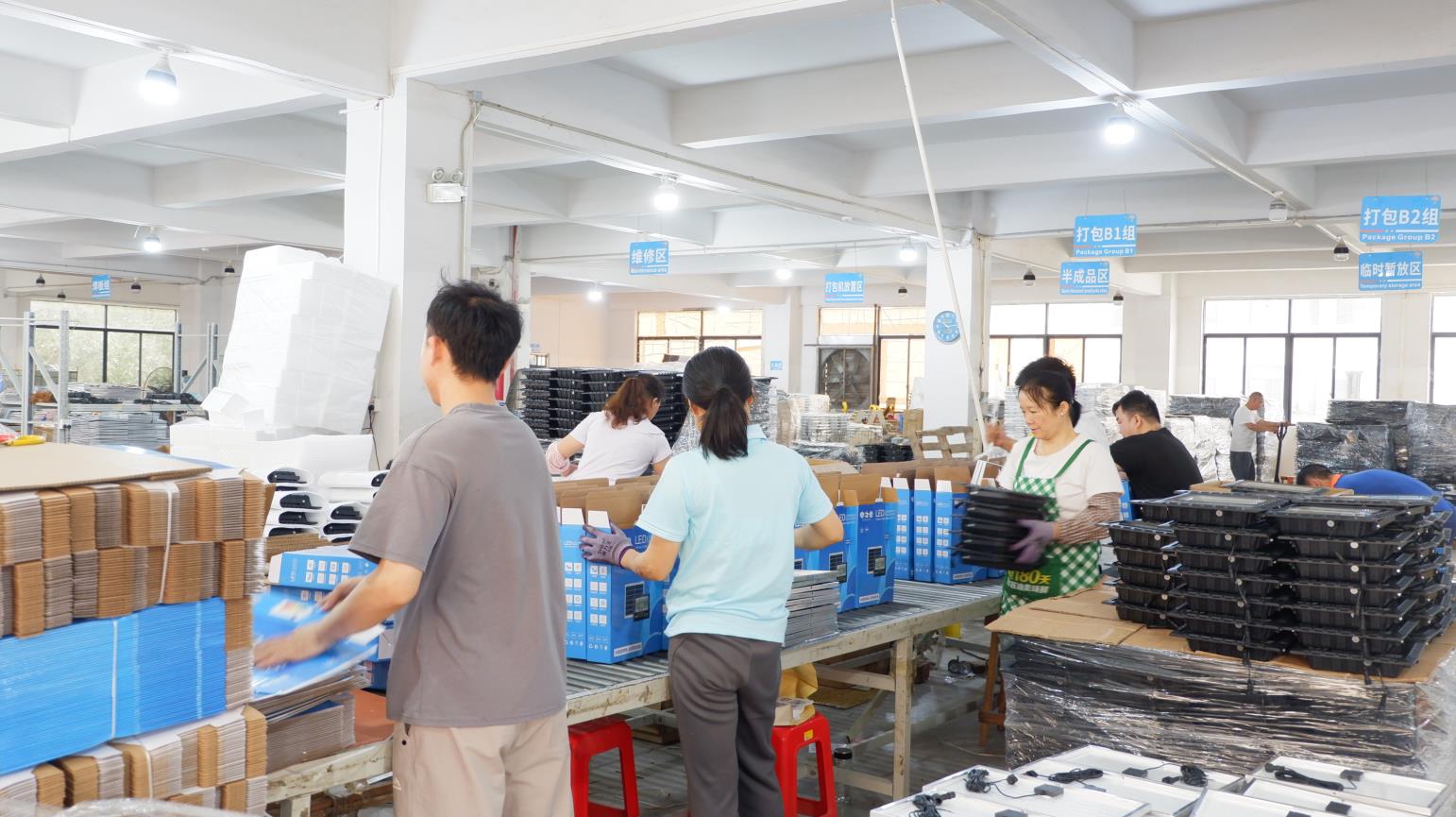
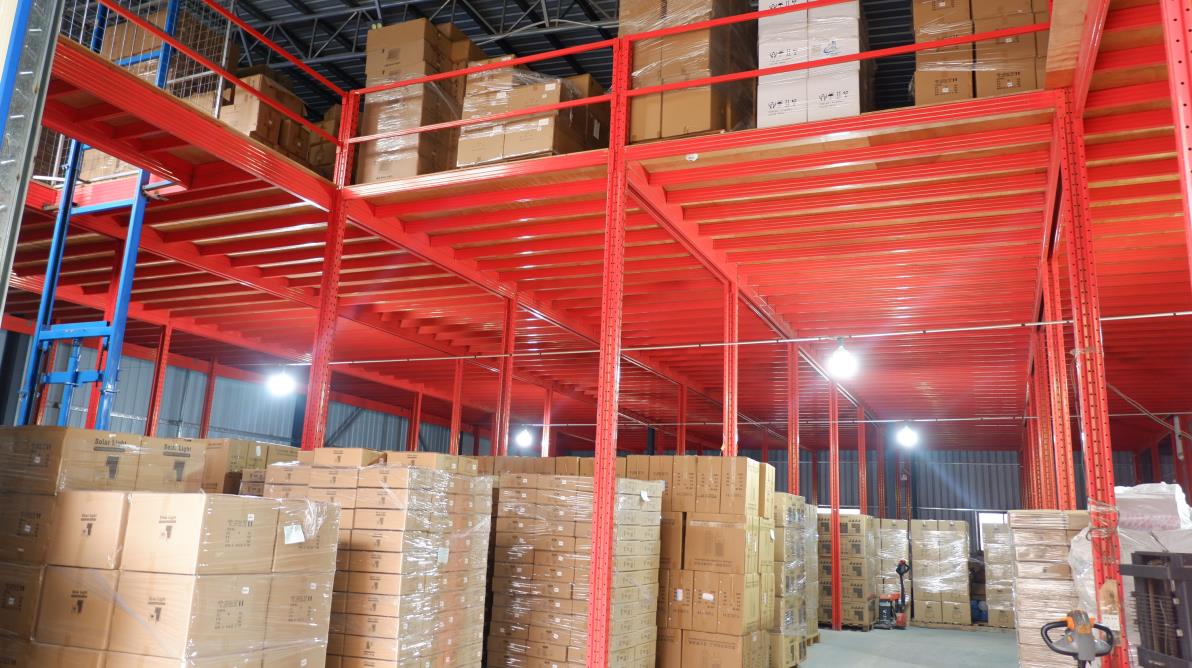
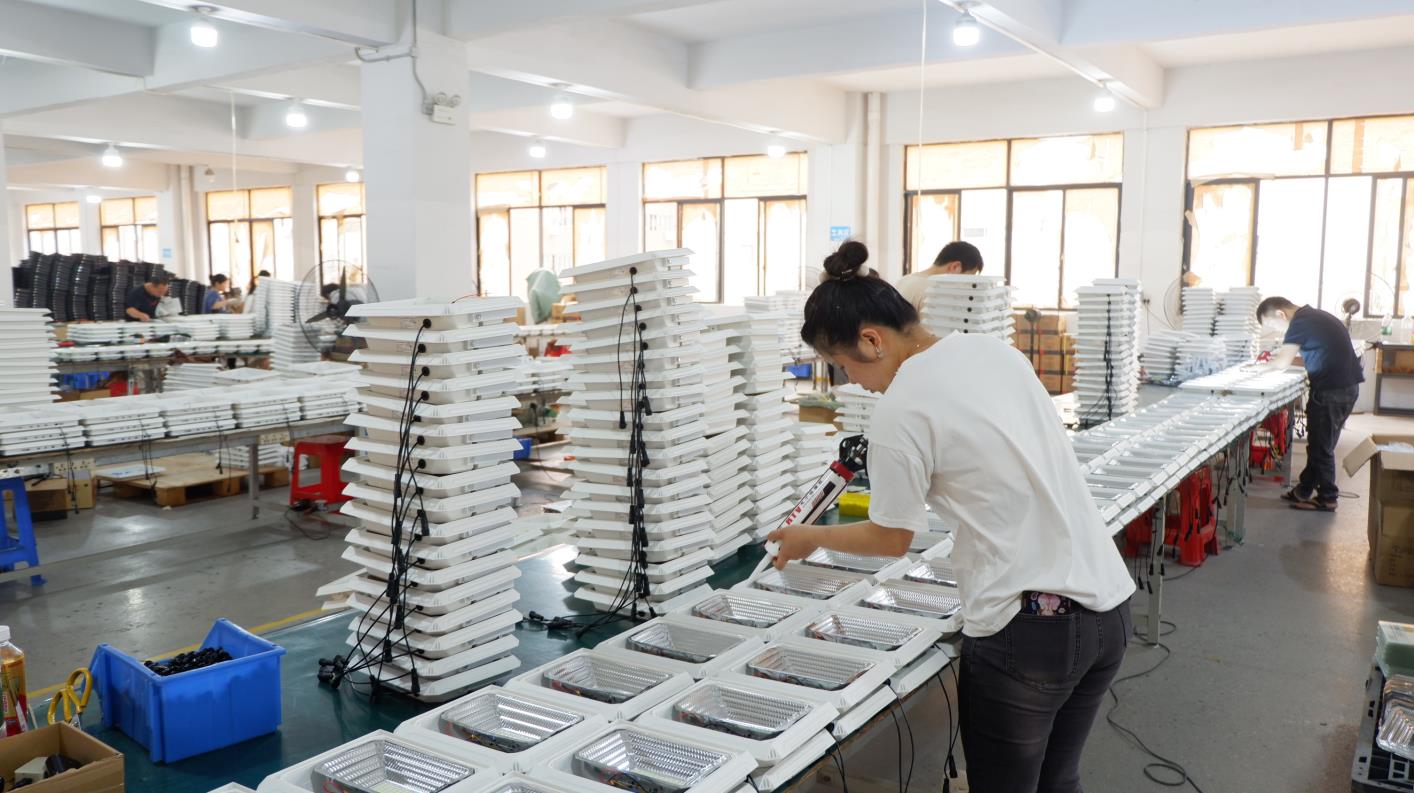
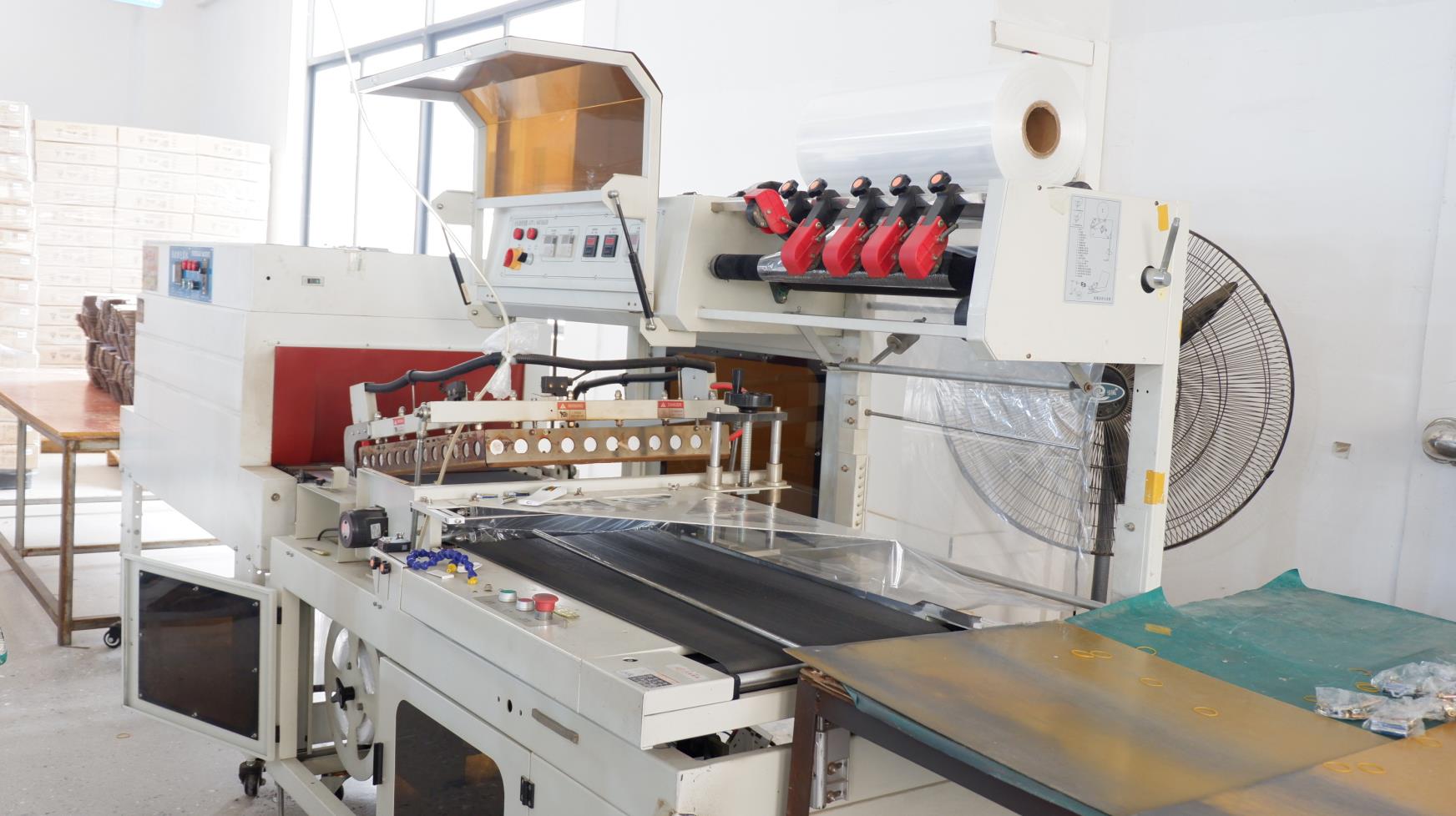
With automated assembly equipment, advanced gluing systems, and continuous high-temperature aging chambers, we scale production quickly. We maintain steady output, short lead times, and high quality during high-demand peak seasons.





Coastal climates accelerate structural corrosion. Standard metal enclosures often degrade within months, leading to failure. By applying advanced powder coatings (with standard C5-M marine-grade specifications) over high-purity aluminum alloys, we ensure our LED wall lanterns remain corrosion-resistant. Combined with UV-stabilized polycarbonate lenses, these systems withstand intense salt air, moisture, and sunlight.
Urban projects rely on energy efficiency and smart building integration. Modern commercial installations utilize LED wall lanterns equipped with internal dual-technology motion sensors (PIR and microwave) and daylight sensors. These systems run at low background output levels (e.g., 10-20% brightness) to save energy, and ramp up to full capacity only when motion is detected.
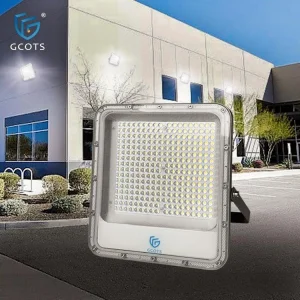
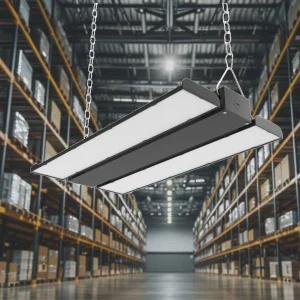
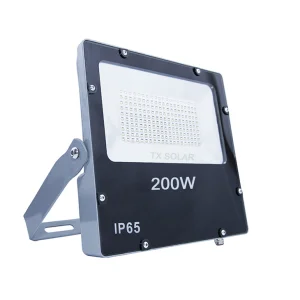
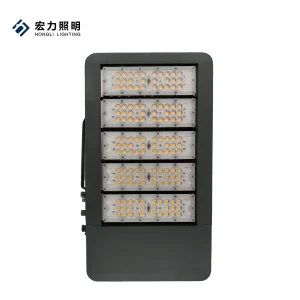
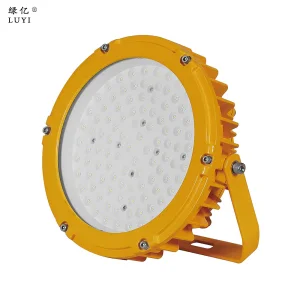
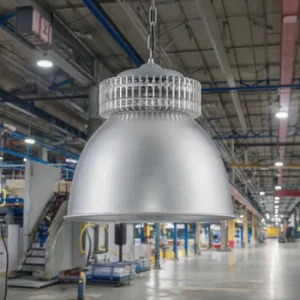
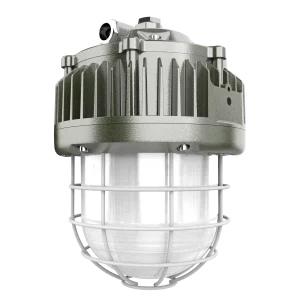
Warehousing and distribution centers operate in demanding conditions that require robust lighting. Industrial wall packs must offer high lumen output, impact resistance (minimum IK08 rating), and reliable performance over extended periods. Durable, explosion-proof, and high-wattage wall lanterns provide clear visibility and safe operations around loading bays and high-traffic areas.
The actual operational lifespan is determined by three main elements: thermal management, driver capacitor quality, and housing protection. High humidity can cause moisture ingress if the seals are inadequate. NexLt uses high-grade, one-piece silicone gaskets along with protective breathing valves to balance internal pressure and prevent condensation. We use high-quality drivers with long-lasting solid capacitors and high-grade aluminum housings to keep operating temperatures low, maintaining lumen output even in hot, humid climates.
The ISO 12944 standard defines C5-M as the highest class of atmospheric corrosivity, typical for coastal and offshore regions with high salinity. Regular powder finishes can peel, oxidize, and decay rapidly under salt spray. Applying an architectural-grade PVDF or multi-layer polyurethane coating prevents moisture and salt from reaching the metal substrate, extending the housing's service life beyond 10 years without surface degradation.
Our design and engineering team works closely with global clients. We begin by analyzing the photometrics and engineering requirements, creating detailed 3D CAD models, and simulating thermal performance. Once approved, we use CNC machining for rapid prototyping, perform extensive photometric testing, and complete pilot assembly runs before moving to full production.
Passive Infrared (PIR) sensors detect heat signatures from moving objects and work well in smaller, defined areas. Microwave sensors emit high-frequency electromagnetic waves to detect changes in reflections. They offer longer detection ranges, higher sensitivity, and can operate through lenses and non-metallic enclosures, making them ideal for heavy-duty commercial wall lanterns.
 NexLt Light