Engineered for extreme resilience, high luminous efficacy, and commercial-grade autonomous operation.
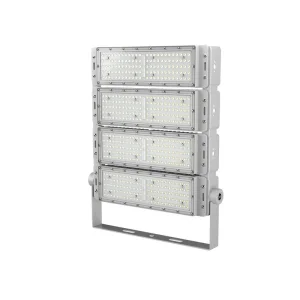
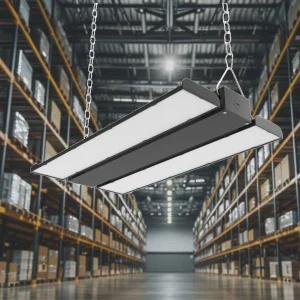
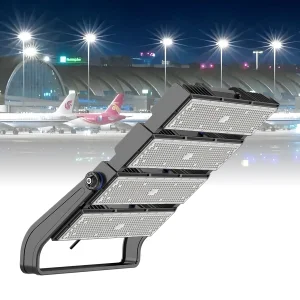
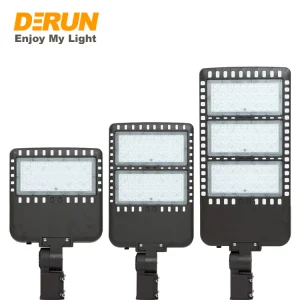
Decarbonization mandates, extreme weather patterns, and the integration of IoT smart grid controllers are driving a massive technology migration in structural illumination.
Global procurement teams searching for "Solar Flood Lighting Manufacturers" are not simply looking for catalog components. They are seeking structural answers to municipal carbon neutrality goals, capital expenditure reductions, and product resilience in harsh environmental conditions. The search intent centers on finding reliable OEM/ODM partners capable of delivering custom photometrics, long operational lifetimes, and robust international certifications.
Modern solar floodlights must operate under strict technical metrics. Standard systems have transitioned from low-efficacy lead-acid batteries to high-density Lithium Iron Phosphate (LiFePO4) energy storage. These are integrated with monocrystalline silicon solar cells that achieve over 22% conversion efficiency, and managed by intelligent Maximum Power Point Tracking (MPPT) controllers that optimize charging algorithms in real-time, even under heavy cloud cover.
Unlike generic listing directories, this guide leverages decades of combined expertise in optical engineering and solar manufacturing to dissect the exact verification protocols used by top-tier exporters. We delve into structural wind load ratings, salt-spray anti-corrosion treatments, and heat dissipation structures that prevent lumen degradation over a 50,000-hour system lifetime.
China represents over 85% of the world's solar lighting manufacturing capacity. But what specific competitive advantages does this provide to global B2B buyers?
The manufacturing centers located in Jiangmen, Guzhen, and Shenzhen form a highly consolidated industrial ecosystem. From aluminum extrusion and die-casting to LED packaging, SMT (Surface Mount Technology) assembly, and lithium battery pack fabrication, every step of the supply chain is located within a 50-kilometer radius. This allows for rapid prototyping, lower logistics costs, and unrivaled speed-to-market.
Top exporters in China possess extensive engineering teams capable of modifying beam angles (Type II, III, and V optics), designing custom-molded housings, adjusting color rendering indices (CRI > 80), and tailoring control profiles (e.g., motion sensor dimming schedules, hybrid AC/DC solar power backup, and IoT wireless monitoring protocols).
Established Chinese solar manufacturers invest heavily in in-house laboratories equipped with integrating spheres, goniophotometers, high-low temperature chambers, salt spray testers, and vibration tables. This ensures their products readily pass rigorous certifications including CE, RoHS, FCC, UL, DLC, and SAA.
| Evaluation Parameter | Tier 1 Manufacturers (e.g., NexLt Light) | Low-cost Assembly Workshops |
|---|---|---|
| Battery Chemistry | A-Grade LiFePO4 (Lithium Iron Phosphate, >3000 cycles) | B-Grade Ternary Lithium or recycled cells (<500 cycles) |
| Solar Controller | Smart MPPT with IP67 potting and adaptive dimming algorithms | Basic PWM controllers with no high-temperature safety cutoffs |
| Housing Material | Die-cast aluminum with anti-corrosion powder coating & stainless hardware | Recycled plastic housings or thin sheet metal prone to rusting |
| Lumen Maintenance | L80 > 50,000 hours with optimal thermal dissipation paths | L50 < 10,000 hours due to LED driver overheating |
A premier manufacturer setting the benchmark for precision, technical innovation, and quality assurance in solar and industrial LED systems.
Jiangmen NexLt Light Co., Ltd. is a professional manufacturer, processor, and supplier specializing in solar energy projector lamps, street lamps, LED products, lighting fixtures, lamp accessories, and a wide range of lighting solutions. In addition, we provide comprehensive services including product design, shell parts manufacturing, installation, and maintenance.
NexLt Light Co., Ltd. is equipped with advanced production equipment and a team of highly skilled technicians. We prioritize precision and innovation, continuously enhancing product quality to meet the evolving needs of our customers. Our commitment is to provide reliable, efficient, and high-quality lighting solutions, ensuring customer satisfaction and long-term partnerships.
Our dedication to excellence, integrity, and professional strength has earned recognition within the industry. We warmly welcome partners, clients, and friends from all walks of life to visit, offer guidance, and engage in business negotiations. With over 12 years of research and development experience in the lighting industry, we combine deep industry knowledge with innovative design capabilities to deliver high-performance products.
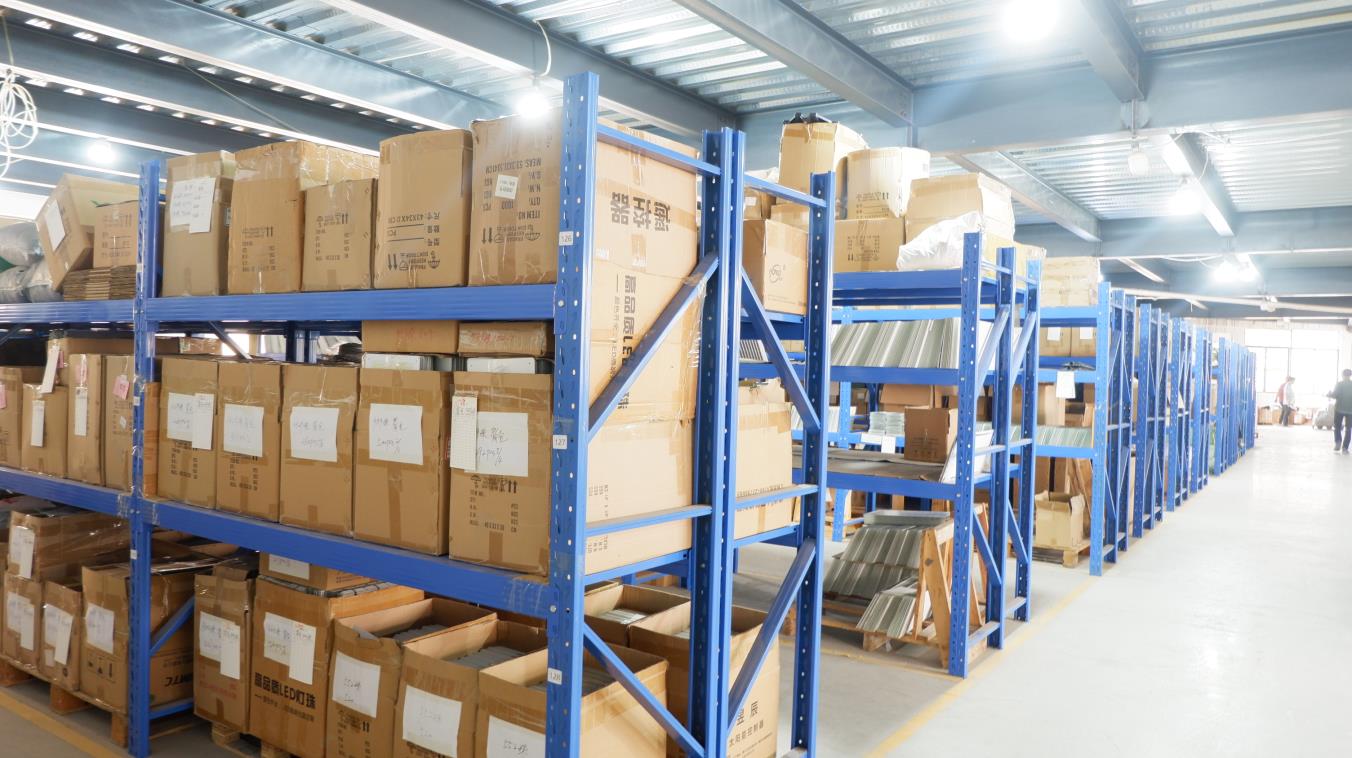
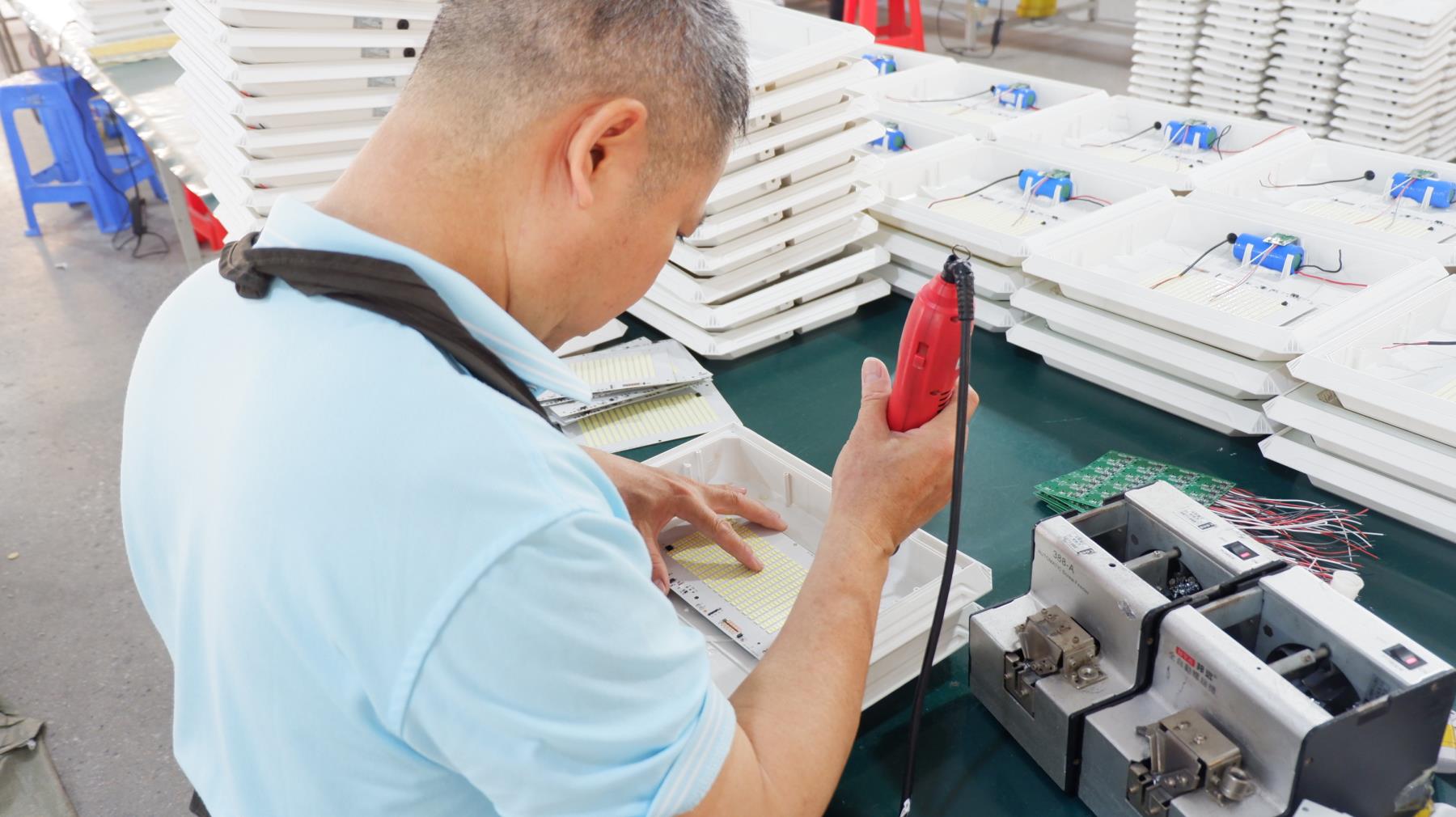
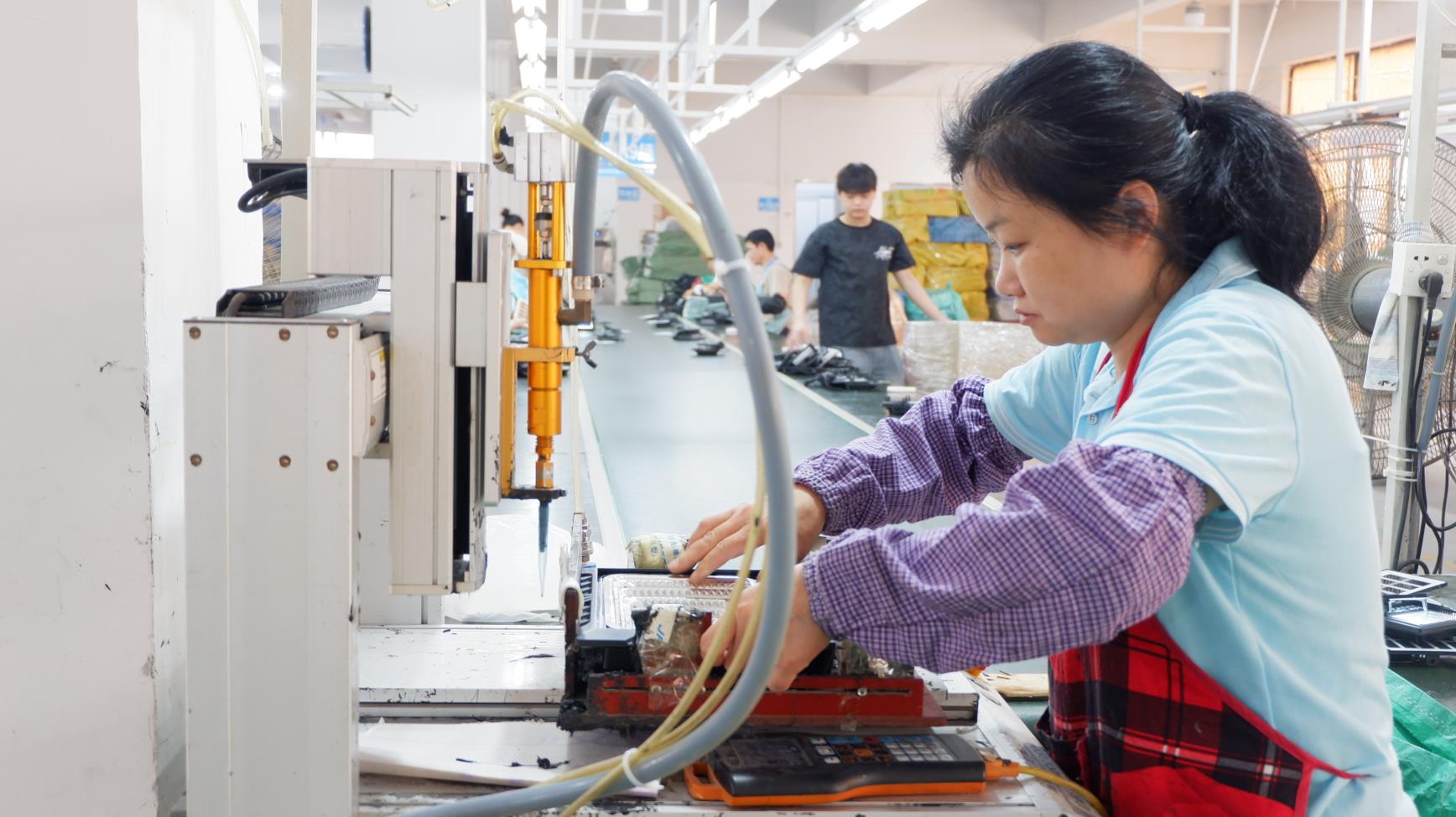
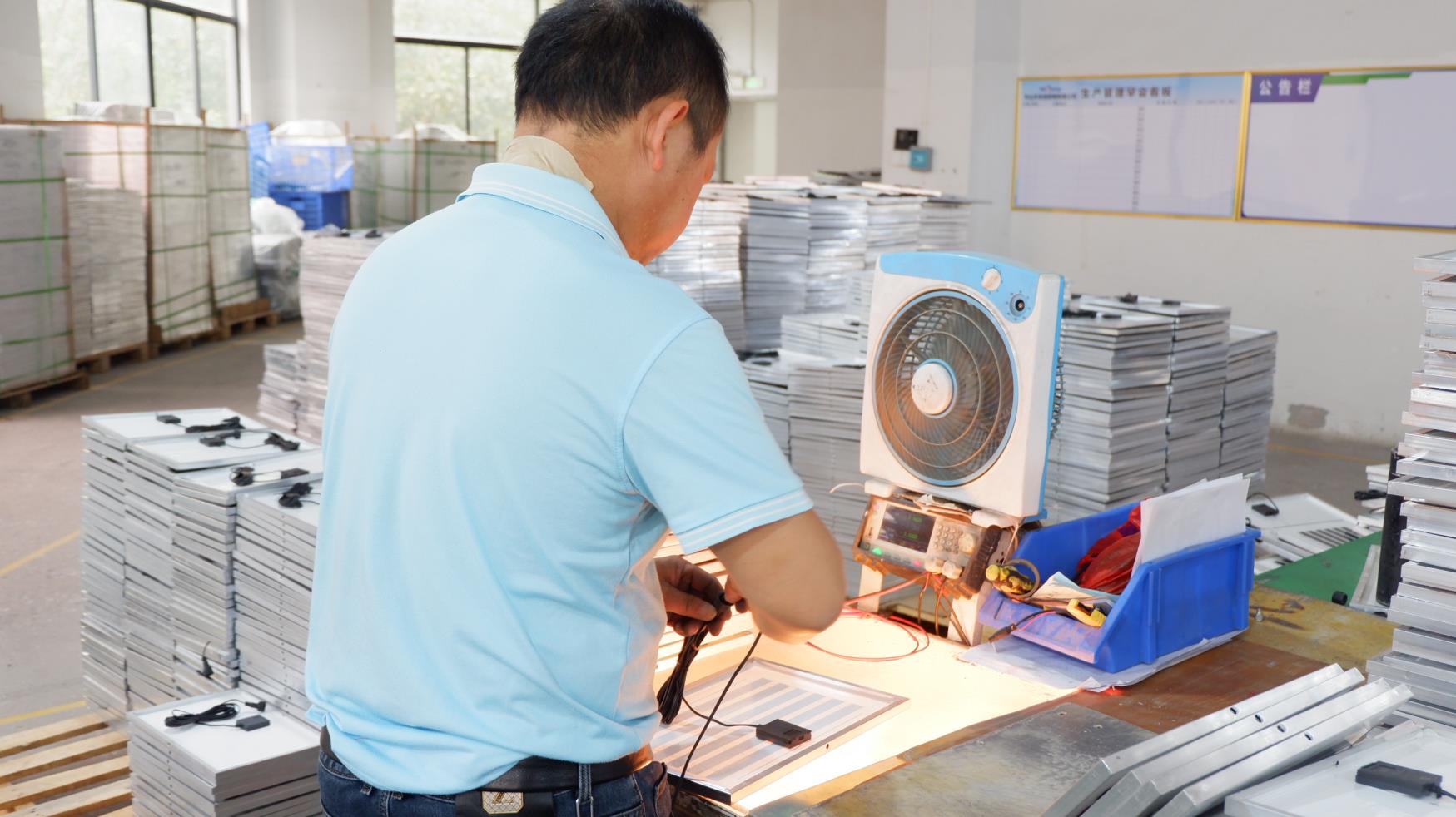
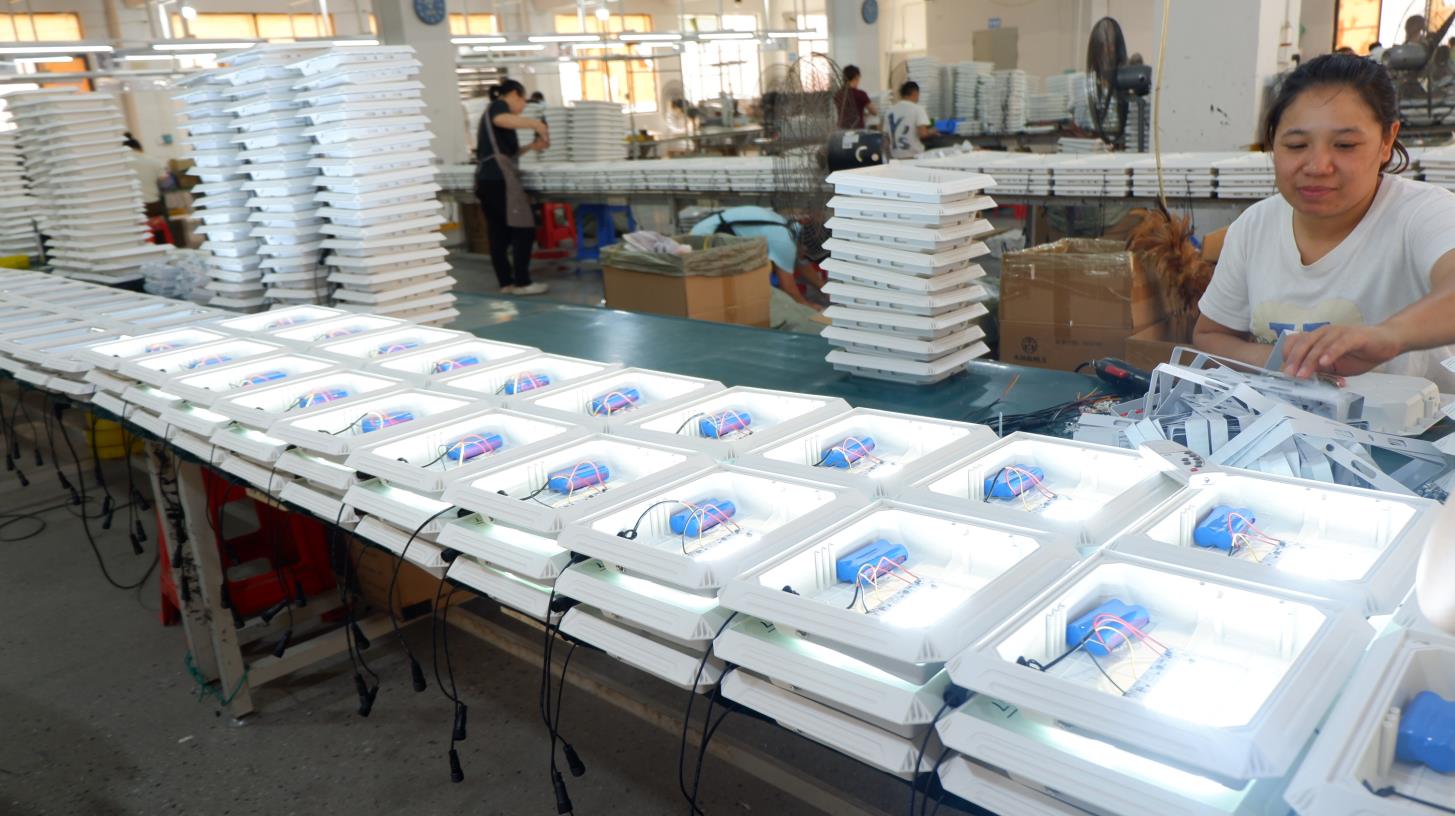
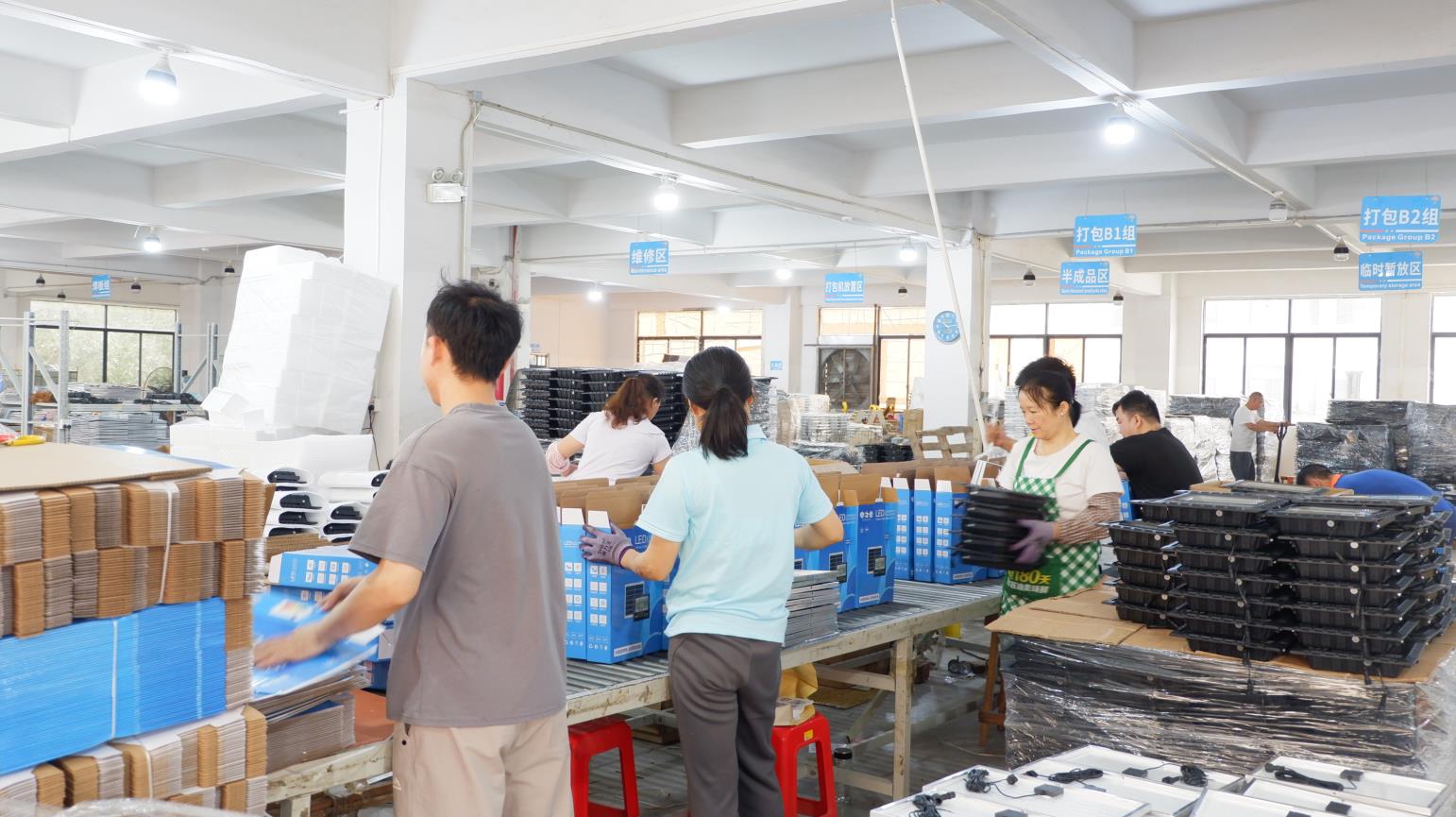
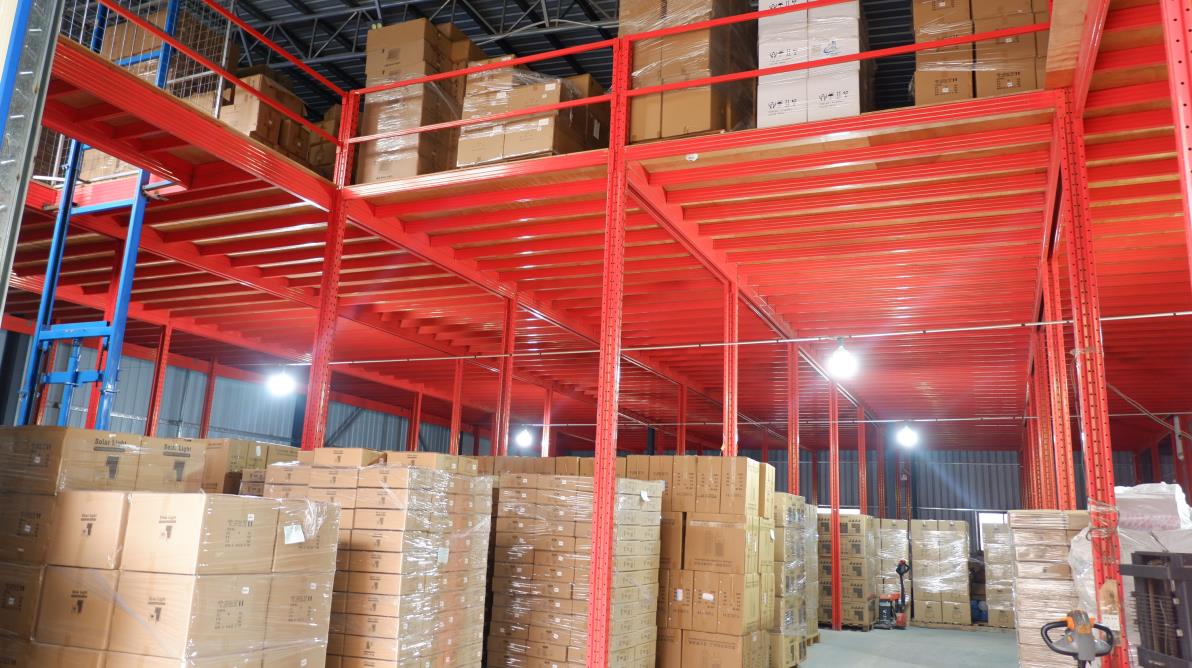
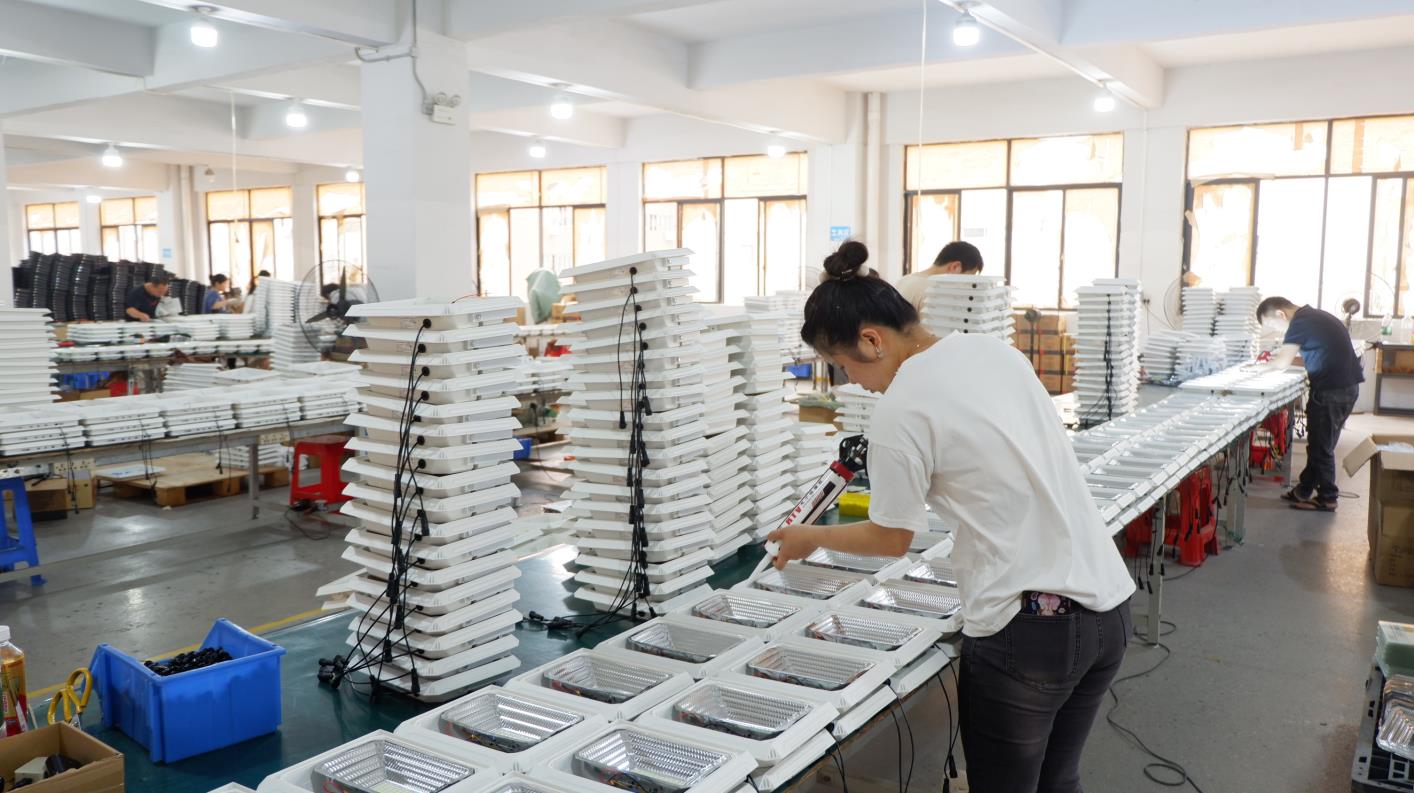
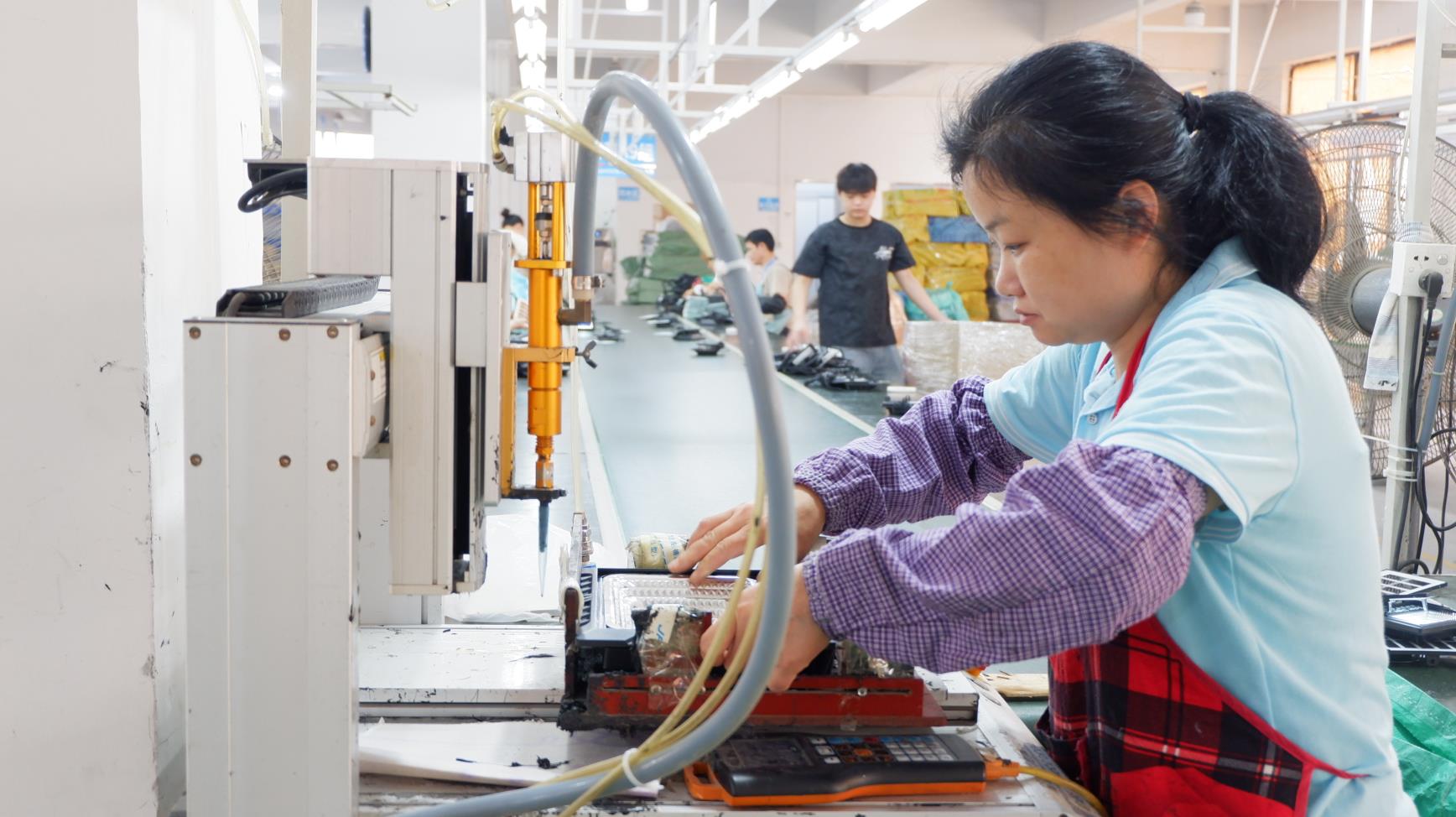
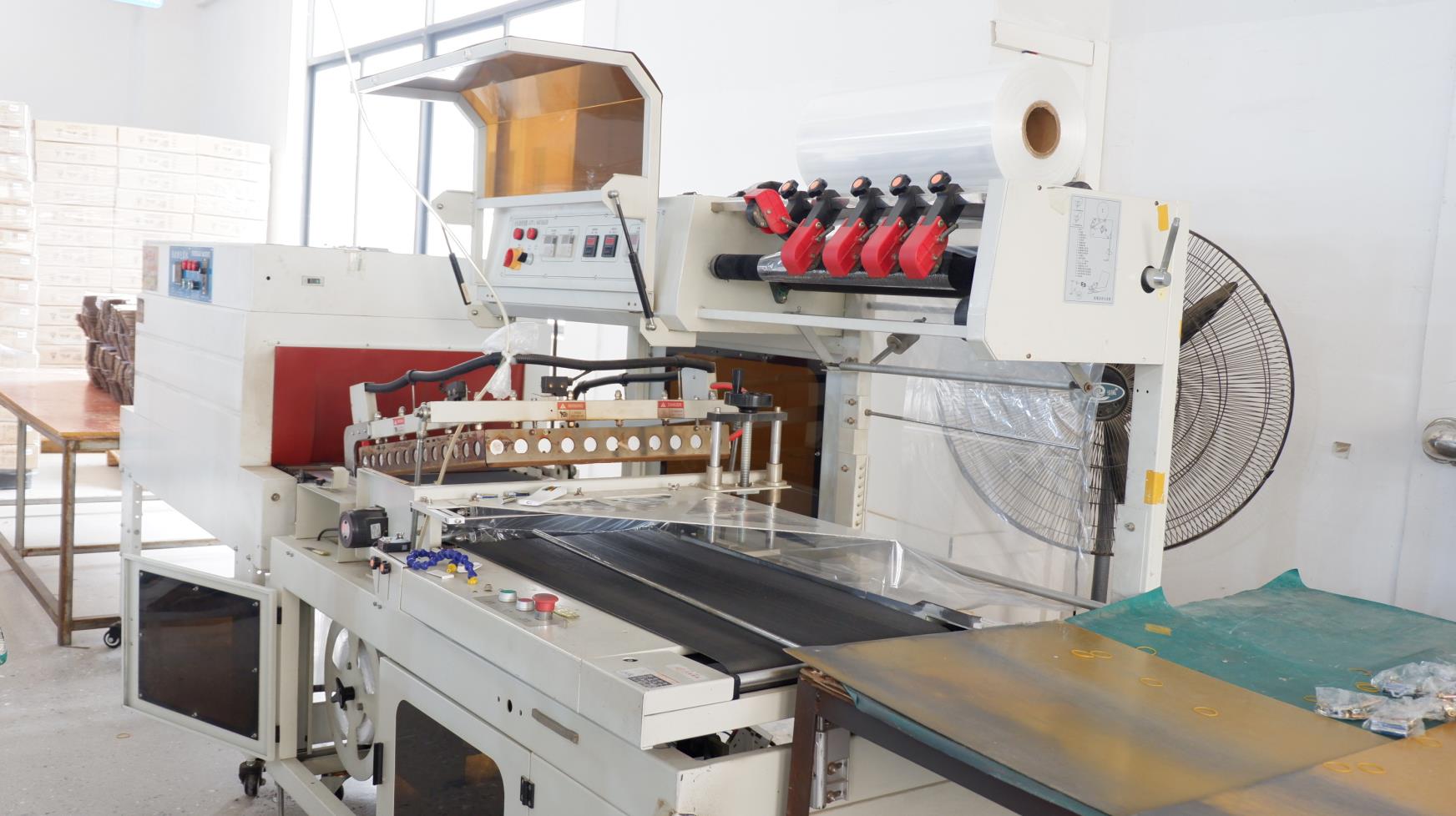
Every solar floodlight and high bay system undergoes rigorous testing across our vertically integrated manufacturing facility to guarantee long-term field reliability.

Modern solar floodlighting systems are deployed globally across distinct macro environments, requiring specific engineering modifications.
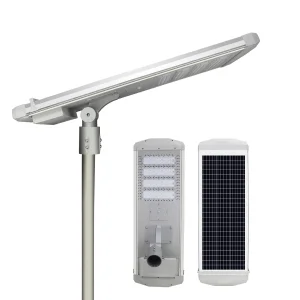
Urban roads, highways, and public pathways deploy smart solar street systems with high-pole mounting configurations. These lights feature integrated clean-energy panels, self-cleaning mechanisms, and advanced microwave motion sensors to extend battery autonomy during prolonged overcast winter conditions.
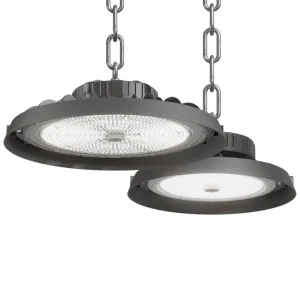
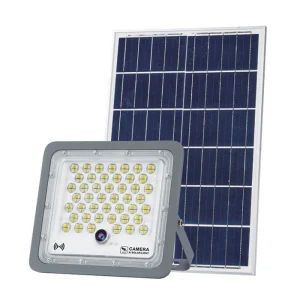
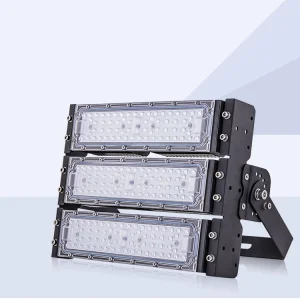
Warehouses, outdoor storage yards, and distribution centers require persistent security lighting. High-lumen UFO bay lights and heavy-duty, camera-equipped security floodlights ensure reliable operation, continuous surveillance feed transmission, and rapid localized illumination detection.
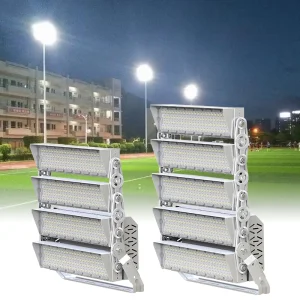
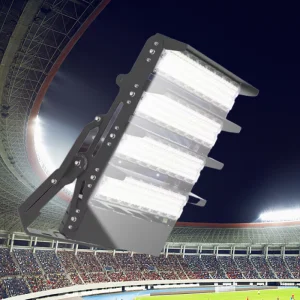
Recreational and professional sporting venues utilize asymmetric beam angle high-mast floodlights (100W to 1500W). These systems offer high color fidelity (CRI>90), minimal glare indices, and power switchable drivers to optimize energy output according to training or competition requirements.
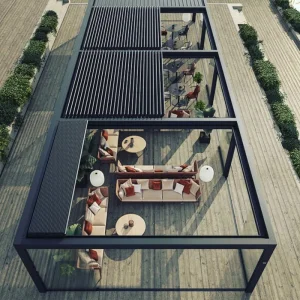
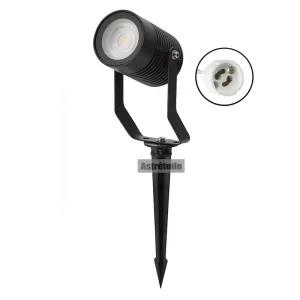
Premium retail complexes, hotel grounds, and modern bioclimatic outdoor pergolas utilize low-voltage spike spot lights, path guides, and dimmable RGB aesthetic lighting. These fixtures seamlessly integrate with smart automation systems to balance energy efficiency and architectural design.
When drafting Request for Proposals (RFPs) for large-scale municipal or industrial lighting projects, procurement directors should evaluate manufacturers based on five essential criteria.
Ensure the manufacturer uses premium monocrystalline silicon solar cells with a certified conversion efficiency exceeding 21.5%. Verify that battery chemistry is pure Lithium Iron Phosphate (LiFePO4) rather than volatile ternary lithium. The Battery Management System (BMS) must incorporate temperature cutoffs for both extreme heat (+65°C) and deep sub-zero winters (-20°C).
Request IES files (Illuminating Engineering Society) to model lighting distribution on site. LED chips should feature top-tier brands (e.g., Lumileds, Osram, or Bridgelux) achieving system efficacy > 140 lm/W. Drivers should support constant-current output with multi-stage dimming and optional IoT wireless control interfaces (LoRa, Zigbee, or Bluetooth Mesh).
A solar floodlight's lifetime is determined by its thermal dissipation performance. Insist on die-cast aluminum (ADC12 grade) housing with structural air convection channels. The enclosure rating must be IP66 or IP67, complemented by an IK08 or higher impact resistance rating to withstand severe weather, wind loads, and potential vandalism.
Key technical answers to assist engineering and procurement professionals in selecting industrial solar flood lighting systems.
Maximum Power Point Tracking (MPPT) controllers monitor the solar panel's voltage and current output in real-time, matching it to the battery’s charging requirements. This technology provides up to 30% higher charging efficiency compared to Pulse Width Modulation (PWM) controllers, particularly during overcast or winter conditions. For high-output commercial solar floodlights (100W+), MPPT is the standard for reliable, year-round operation.
Lithium Iron Phosphate (LiFePO4) offers exceptional thermal stability and safety, eliminating the risk of thermal runaway (fire). It supports more than 3,000 to 6,000 charge cycles at 80% Depth of Discharge (DoD), compared to only 500 cycles for ternary lithium and 300 cycles for lead-acid. This gives LiFePO4 batteries an operational lifetime of 8 to 10 years, significantly reducing maintenance and replacement costs.
Jiangmen NexLt benefits from localized supply chain clusters. By housing raw materials sourcing, laser welding, automatic gluing, EL testing, and automated packaging within unified assembly facilities, we minimize external transportation costs, secure high volume components discounts, and ensure consistent step-by-step quality control.
To ensure reliable operation in coastal or stormy environments, solar floodlighting systems must undergo pressurized water jet testing to confirm their IP66 or IP67 waterproof rating. Wind tunnel tests are conducted to verify wind load capacity (typically rated up to 160 km/h). In addition, salt spray chamber testing (often up to 500 hours) is required to ensure the powder-coated die-cast aluminum housing remains resistant to corrosion.
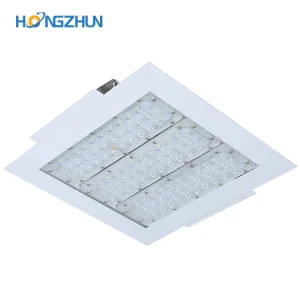
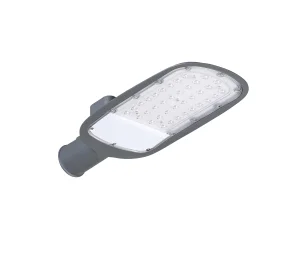
High-efficiency, rugged luminaire configurations designed for global project deployments and commercial builds.
 NexLt Light