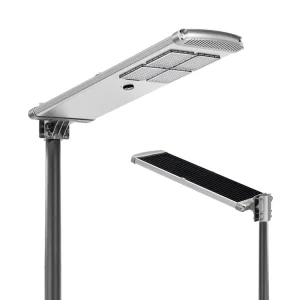
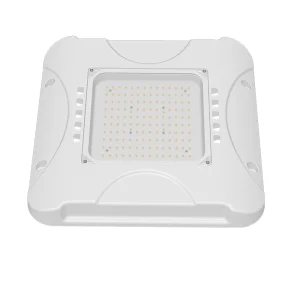
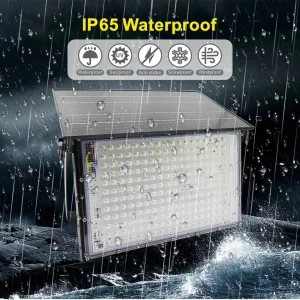
High-efficiency, waterproof, and certified LED luminaires engineered for structural resilience, public spaces, and heavy industrial facilities.
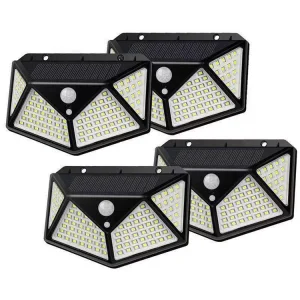
Analysis of technology transitions, performance standards, and critical procurement considerations.
The global industrial and commercial lighting markets are undergoing a critical technological evolution. Historically centered around high-intensity discharge (HID) and high-pressure sodium (HPS) installations, industrial outdoor lighting has transitioned rapidly to solid-state LED systems. Driven by stringent carbon reduction initiatives, rising municipal energy tariffs, and the imperative for zero-maintenance operational profiles, the market size for global outdoor LED floodlights is projected to reach billions in value by the end of the decade.
Modern LED floodlights are not simple replacement bulbs; they are highly engineered optoelectronic systems. Precision optics control light distribution curves (varying from asymmetric narrow spots to ultra-wide flood beams) to minimize light pollution and glare index (UGR) while maximizing target area uniformity. This degree of sophistication is crucial for mission-critical installations including marine ports, complex transportation junctions, mining centers, multi-sport stadiums, and perimeter defense systems.
Furthermore, the modern supply chain requires deep expertise. Global enterprises do not merely buy fixtures; they invest in calculated photometric layouts, standardized ingress performance (IP66 or IP68), robust thermal mitigation, and surge protection tolerances. The following sections outline the engineering parameters that determine the success of global lighting projects.
Identifying tier-1 LED floodlight manufacturers requires assessing structural compliance, operational transparency, and design-for-manufacturability (DFM) capabilities. When auditing factories in exporting hubs, global procurement directors prioritize several engineering benchmarks to confirm credibility:
Top factories maintain calibrated IES integration sphere spheres and goniophotometer facilities to generate verified IES file outputs, ensuring precise structural light layouts.
Excellent factories focus on low junction temperature (Tj < 75°C) designs, utilizing ADC12 die-cast aluminum heat sinks with air flow-through optimization to prevent LED thermal degradation.
A true export leader provides localized safety and performance certifications including UL/cUL, ETL, CE, RoHS, CB, SAA, and ATEX/IECEx explosion-proof ratings.
Reliable operations use inline automated optical inspection (AOI), high-voltage isolation checks, automated waterproof pressure tests, and continuous thermal aging chambers.
Without these parameters verified via comprehensive audits, purchasers risk rapid lumen depreciation, driver failures under harsh grid fluctuations, and premature sealing gasket failures due to degradation from ultraviolet (UV) radiation.
In high-power outdoor LED floodlights (150W to 1000W+), thermal management is the primary factor limiting system life. The conversion from electricity to light produces heat. If the junction temperature of the LED chip exceeds the manufacturer's limit, the internal quantum efficiency drops, causing a feedback loop known as thermal runaway. Tier-1 exporters use finite element analysis (FEA) to simulate thermal dissipation. They couple this with premium thermal paste (with a conductivity of at least 3.0 W/mK) and use solid metal core PCBs to draw heat away from the light source.
The concentration of LED manufacturing in China (particularly in the Pearl River Delta region of Guangdong province, around Jiangmen, Guzhen, and Zhongshan) provides distinct supply-chain advantages. This industrial ecosystem is not just built on labor efficiency; it relies on deep vertical integration:
Discover how Jiangmen NexLt Light Co., Ltd. delivers global-standard solid-state lighting and OEM/ODM engineering.
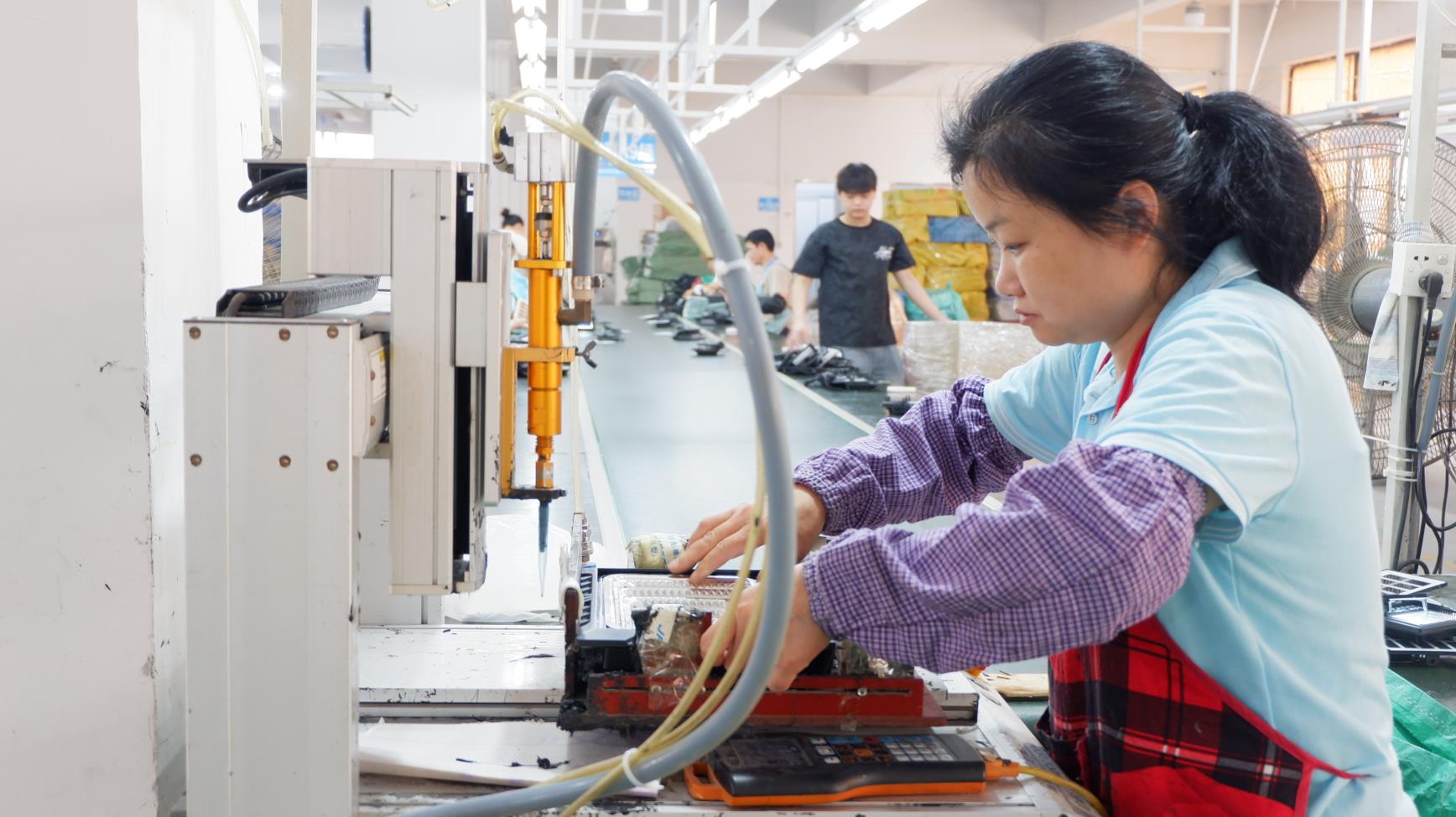
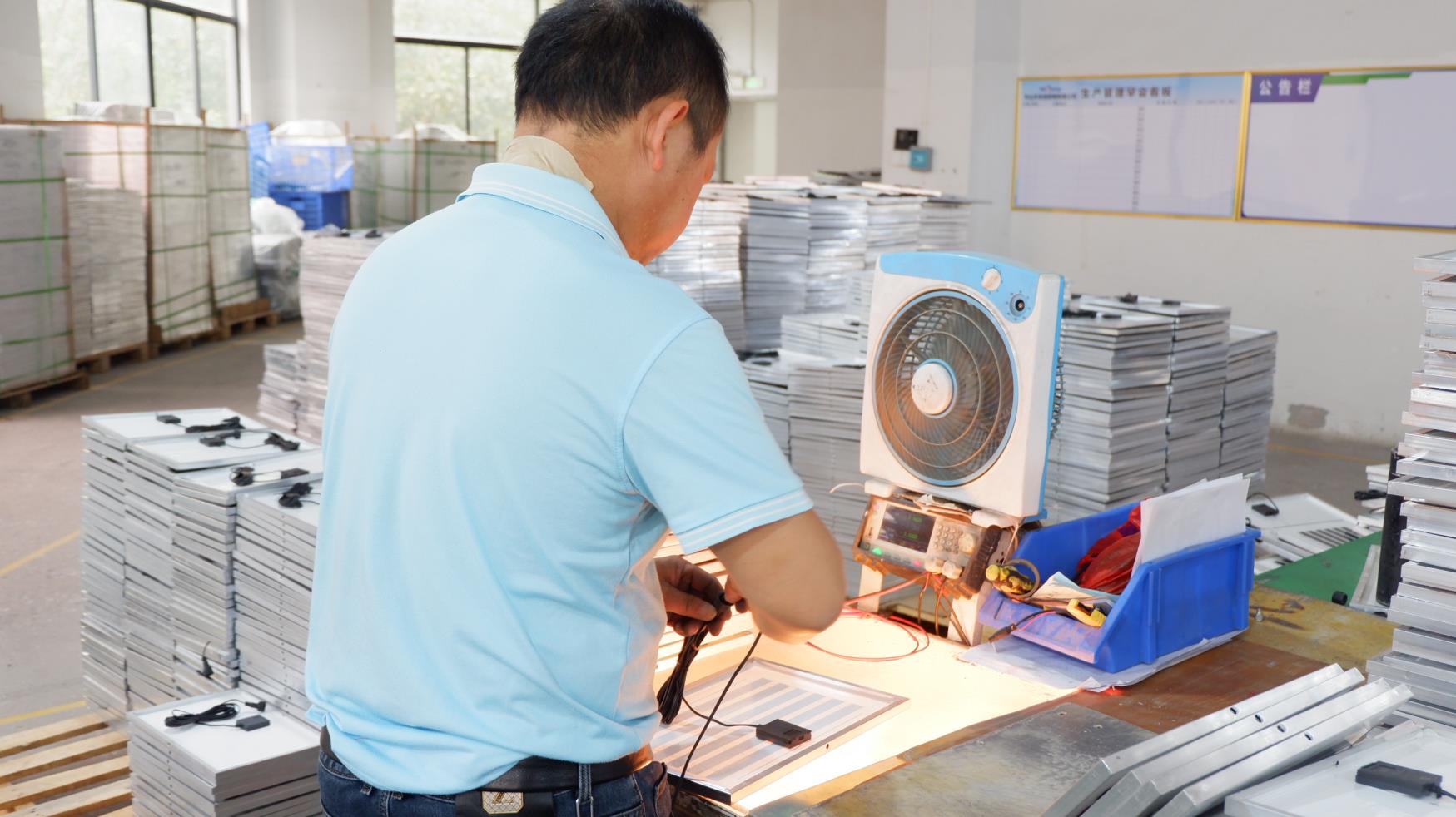
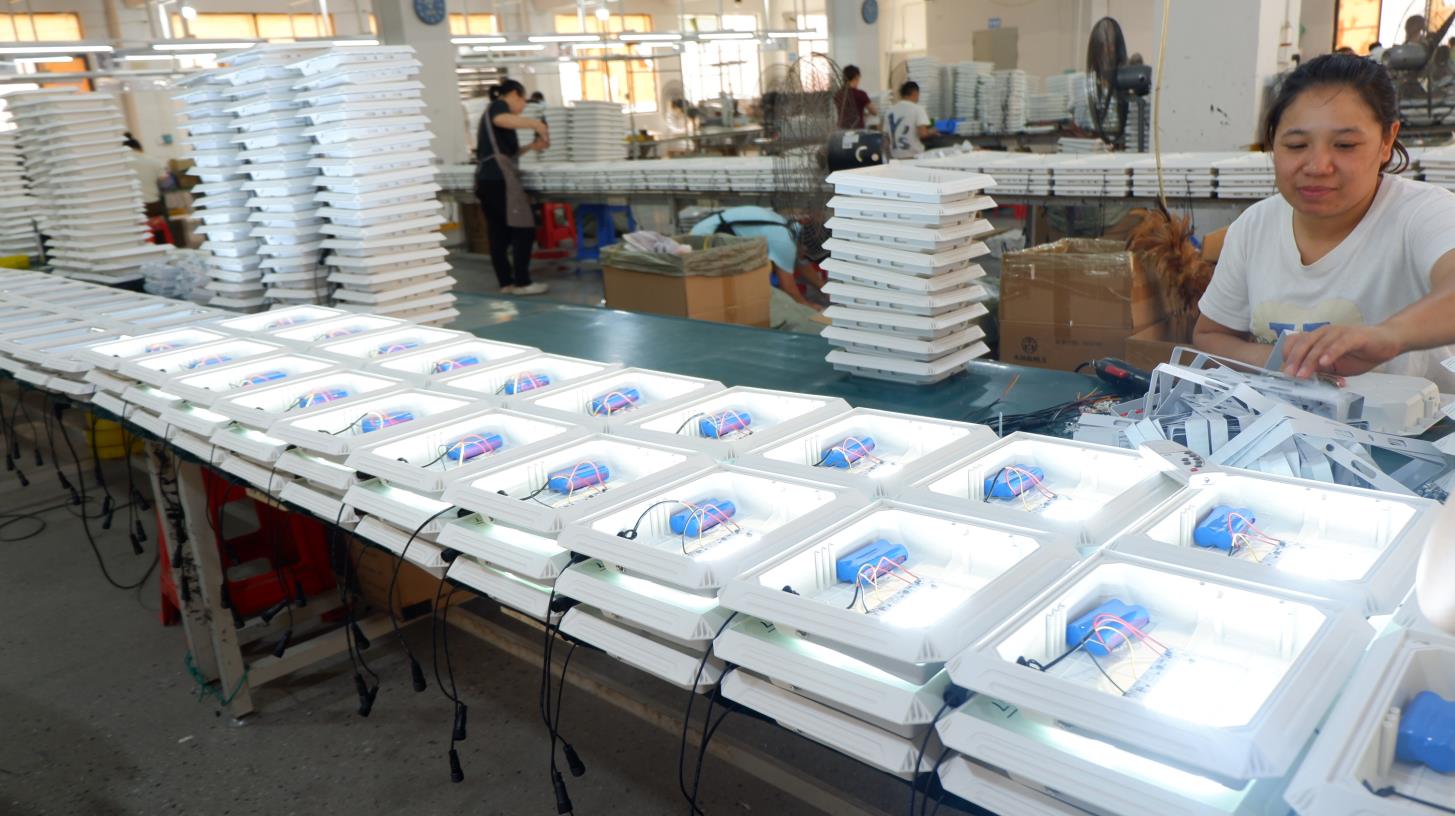
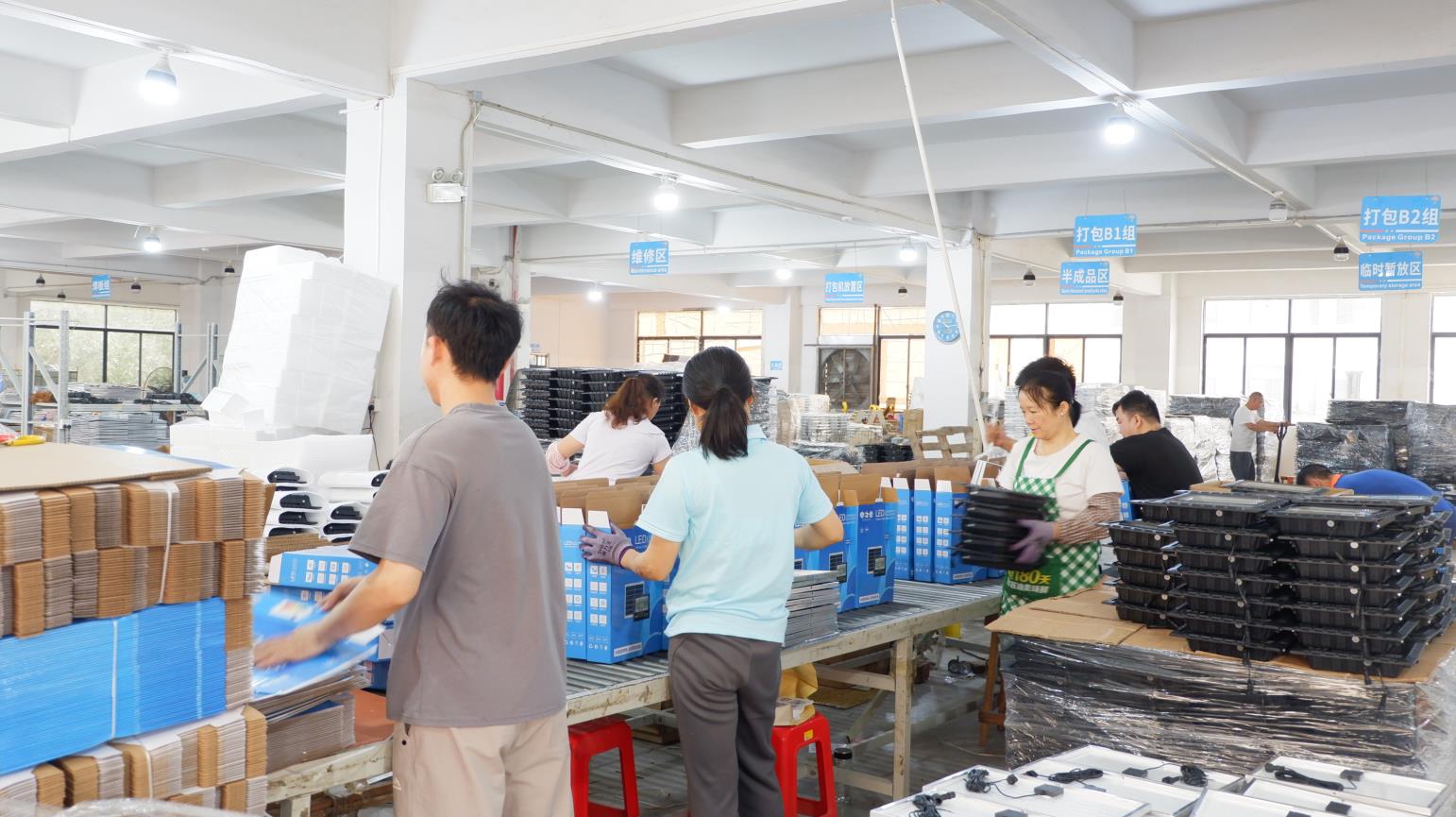
Jiangmen NexLt Light Co., Ltd. is a professional manufacturer, processor, and supplier specializing in solar energy projector lamps, street lamps, LED products, lighting fixtures, lamp accessories, and a wide range of lighting solutions. In addition, we provide comprehensive services including product design, shell parts manufacturing, installation, and maintenance.
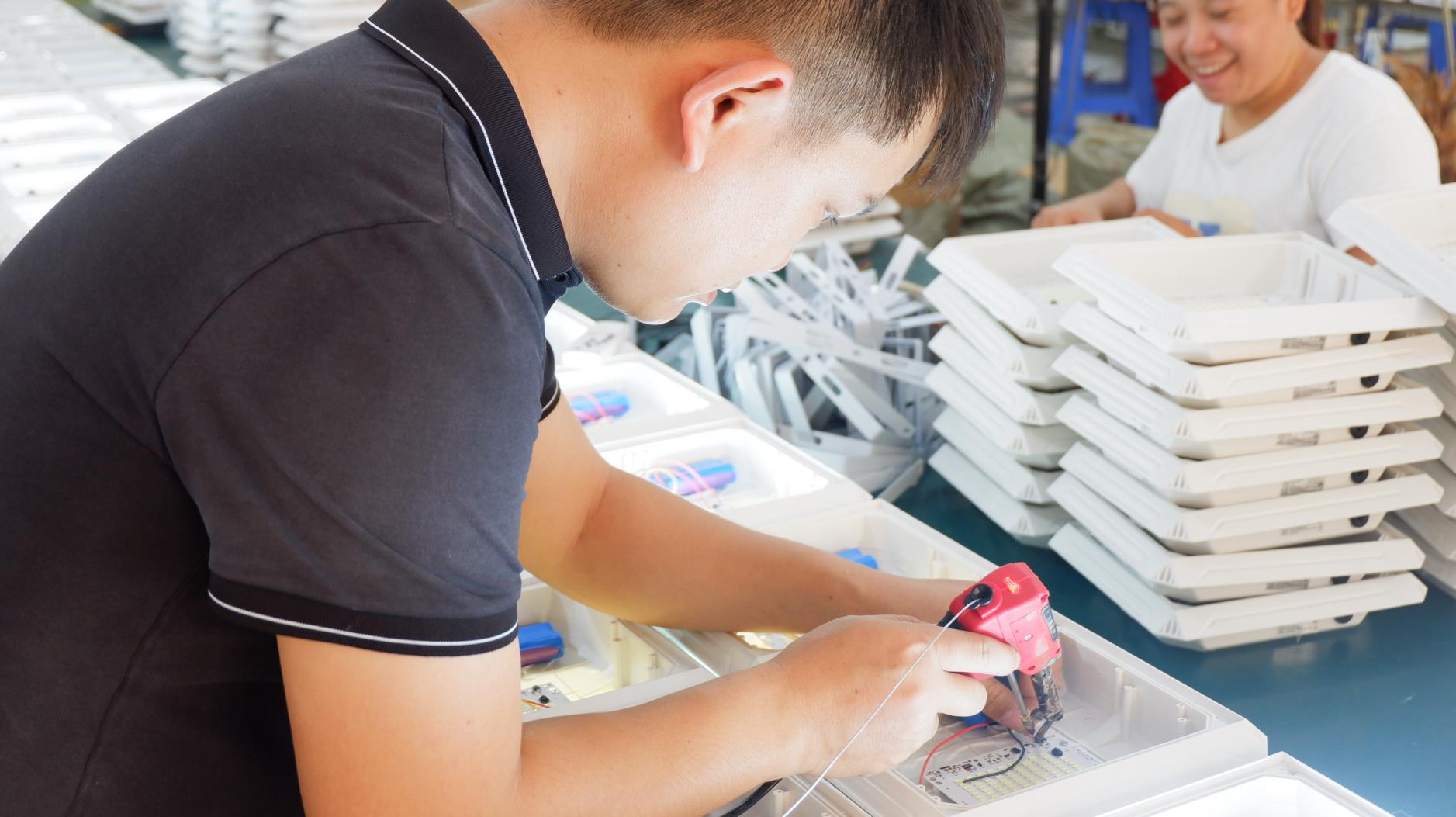
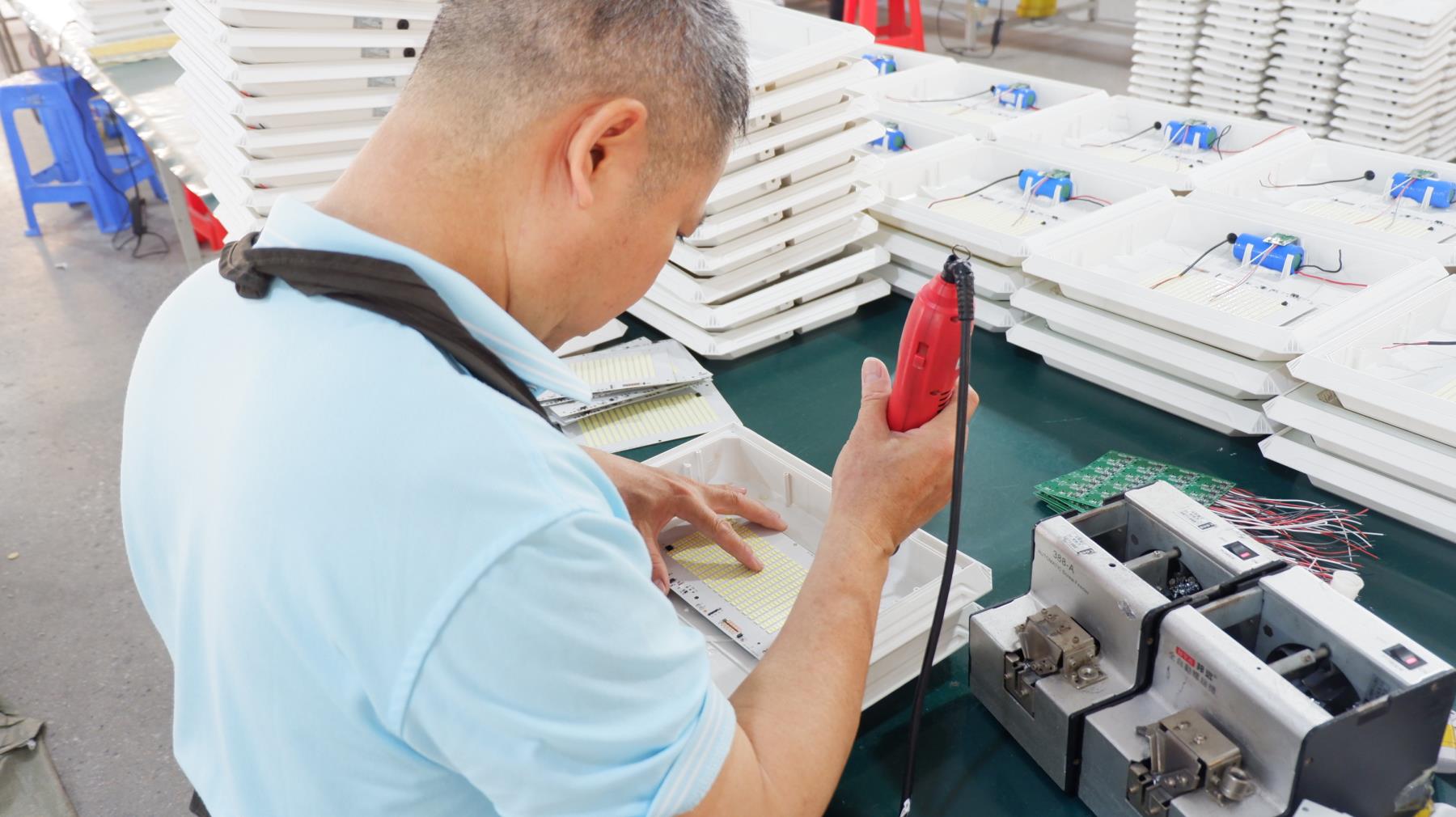
NexLt Light Co., Ltd. is equipped with advanced production equipment and a team of highly skilled technicians. We prioritize precision and innovation, continuously enhancing product quality to meet the evolving needs of our customers. Our commitment is to provide reliable, efficient, and high-quality lighting solutions, ensuring customer satisfaction and long-term partnerships. Our dedication to excellence, integrity, and professional strength has earned recognition within the industry. We warmly welcome partners, clients, and friends from all walks of life to visit, offer guidance, and engage in business negotiations.
Our operation is designed around quality control, customer-focused engineering, and long-term sustainability:
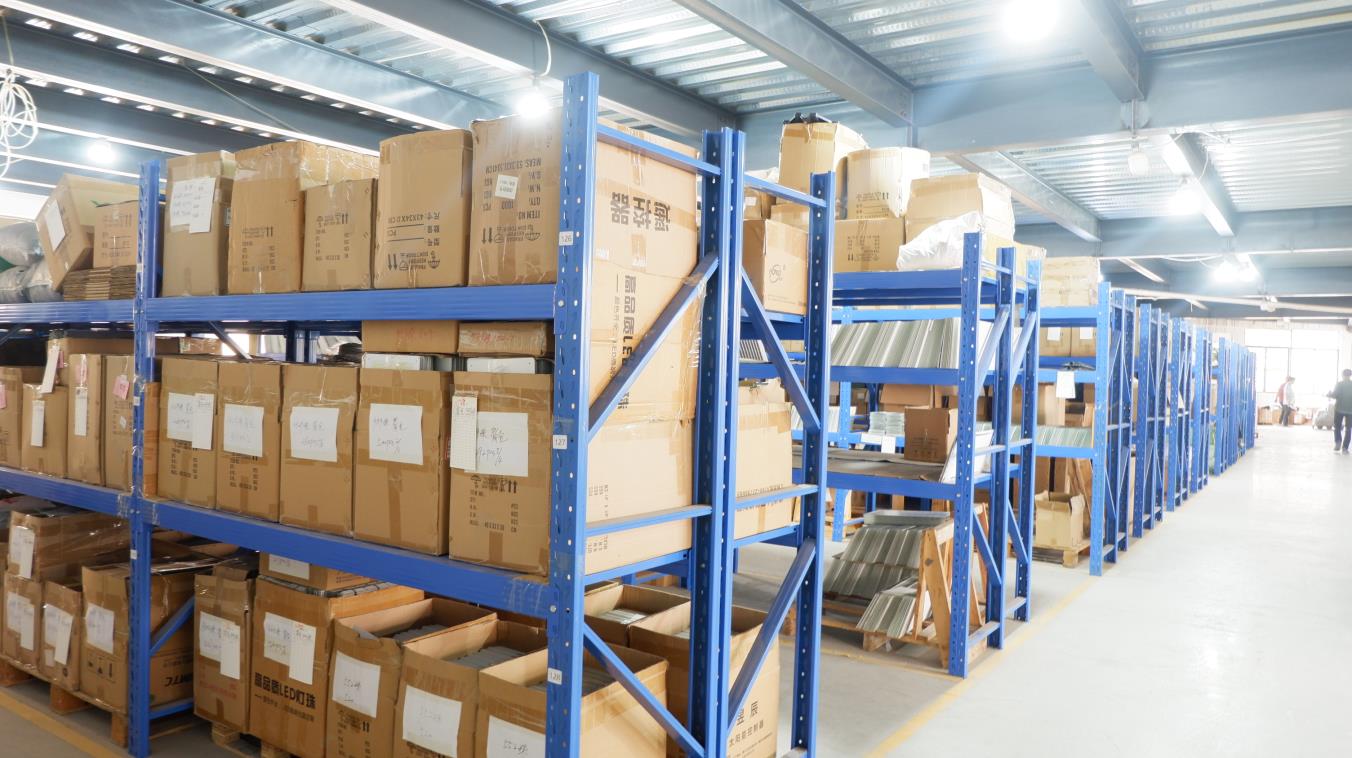
Step-by-step look at our assembly lines, quality control points, and specialized production machinery.
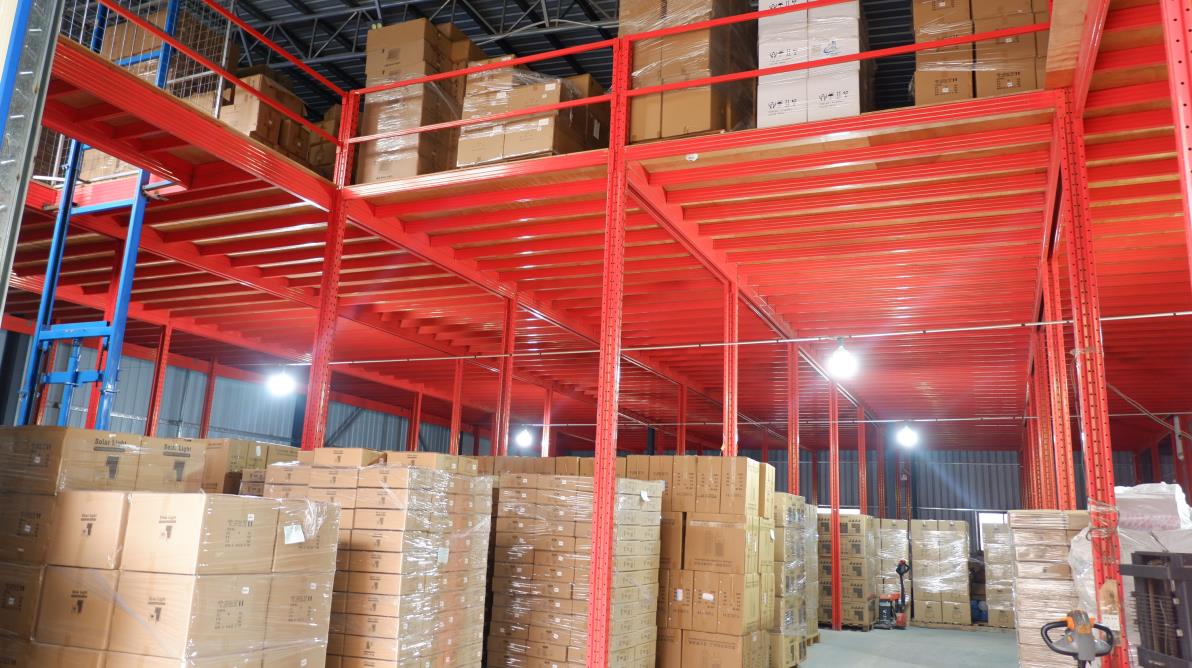
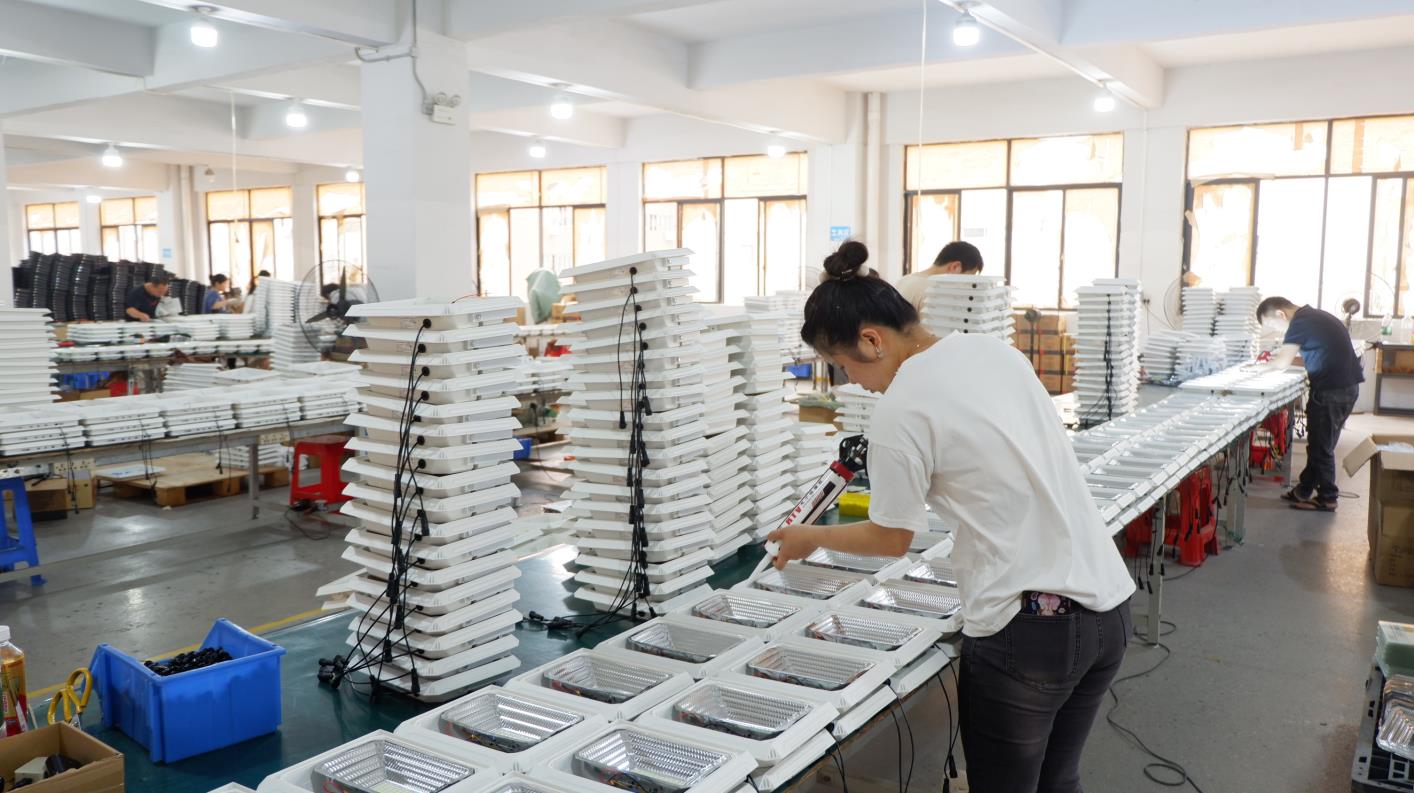
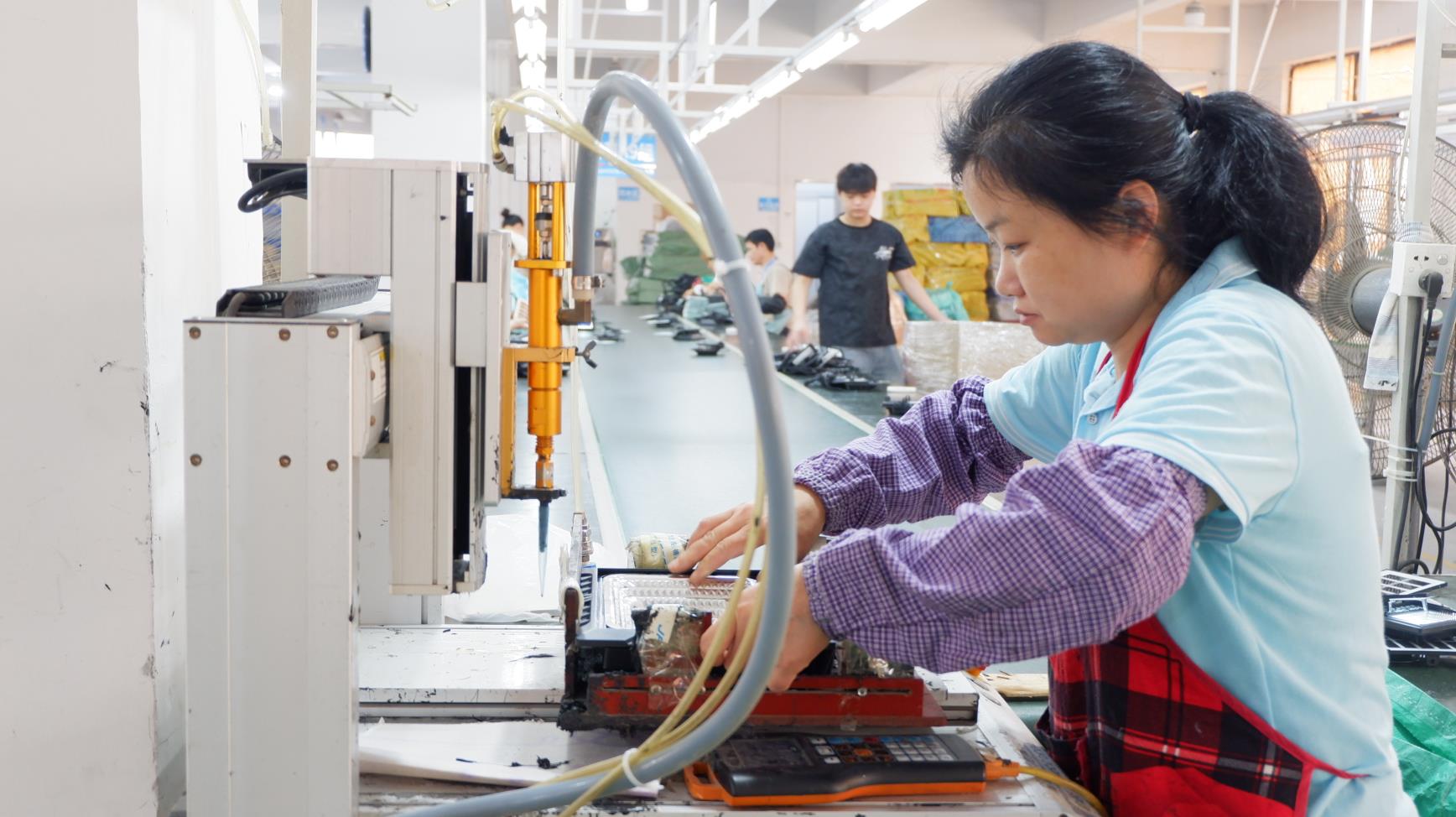
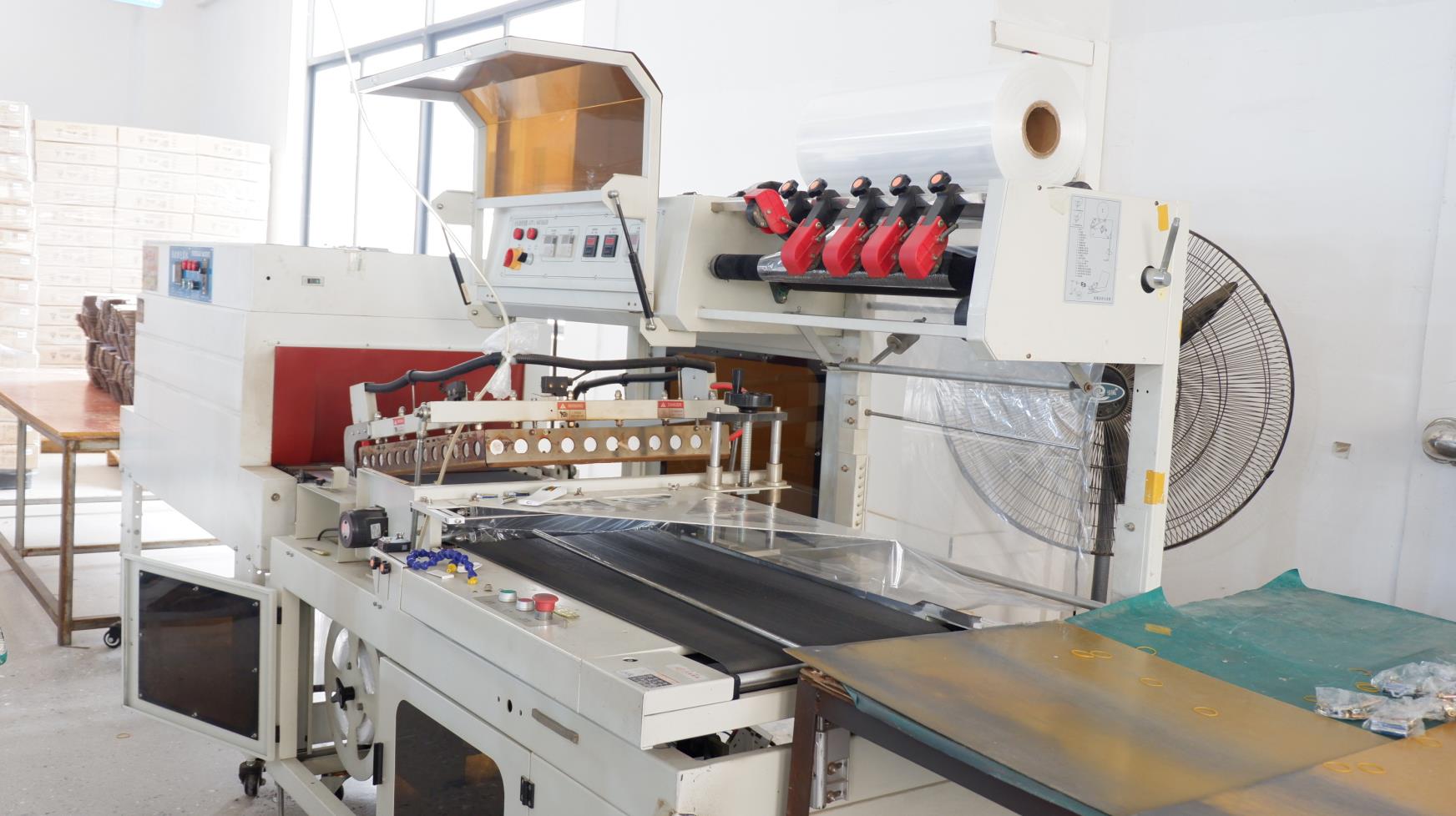
Outdoor floodlights must be configured specifically for their operating environment. Deploying a generic specification to different applications can lead to premature failure or non-compliance with local regulations. Key application guidelines include:
Industrial processing zones expose equipment to airborne particulate dust, ambient chemical vapors, and constant vibration. For these settings, specify floodlights with a high impact rating (IK08 to IK10) and robust housing materials. The inclusion of heavy-duty brackets prevents misalignment from physical vibration or wind. Additionally, explosion-proof construction (such as IP66 Class I Div 2 ratings) is required near combustible dusts or gases.
Salt spray accelerates electrochemical corrosion on die-cast aluminum housings. For marine projects, specify housings finished with a C5-M marine-grade anti-corrosion coating (tested under ISO 12944 standard). Using 316 stainless steel screws and brackets instead of carbon steel components helps prevent localized corrosion.
High-mast structures demand high lumen output coupled with tight beam angles to direct light downward from heights of 25 to 50 meters. Precision optics prevent light spill into adjacent airspace or residential neighborhoods. Drivers must be located in accessible ground-level enclosures or have high surge protection (20kV) to handle lightning strikes on these tall structures.
As smart cities and industrial automation grow, several technology trends are shaping the future of LED manufacturing:
Modern commercial floodlights are increasingly designed to integrate with external sensors. The incorporation of standard Zhaga-compliant bases or NEMA receptacles allows users to add photo sensors, microwave motion detectors, and wireless mesh transceivers without rewiring. Using DALI-2 or 0-10V dimming drivers allows central systems to dim lights when target zones are vacant, reducing energy use.
Standalone solar systems are expanding beyond simple garden lights. High-output industrial floodlights now utilize high-efficiency monocrystalline silicon panels paired with long-life LiFePO4 batteries. Integrated controllers use Maximum Power Point Tracking (MPPT) to optimize solar energy harvesting, even during cloudy weather.
Environmental standards now focus on the entire life cycle of the product. Leading manufacturers design fixtures that can be disassembled easily at end-of-life. This modular approach allows for quick replacement of drivers or LED modules while keeping the high-quality aluminum housing in place.
Answers to technical and engineering questions about procuring, installing, and maintaining industrial LED floodlights.
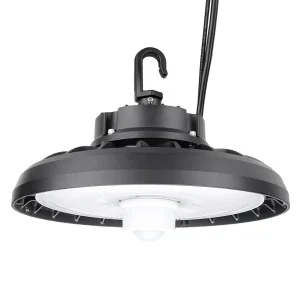
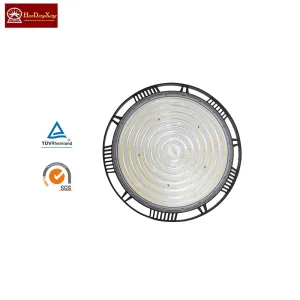
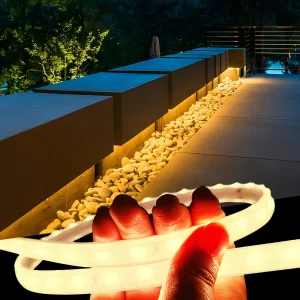
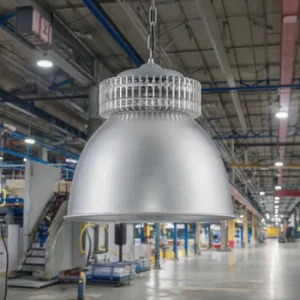
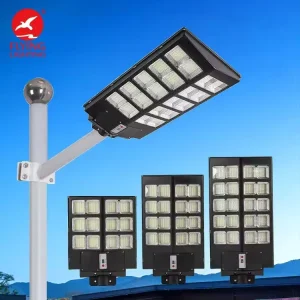
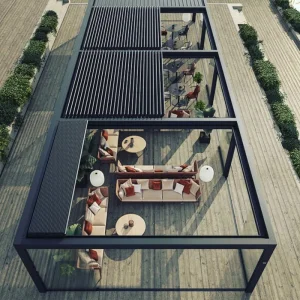
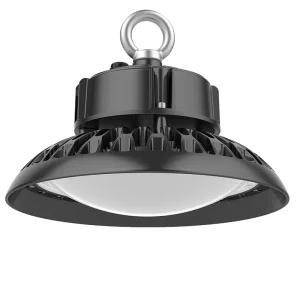
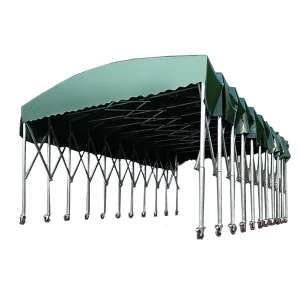
Explore our selection of specialized high bay lights, flexible strip lighting, and architectural canopy fixtures.
 NexLt Light