In the contemporary B2B procurement environment, sourcing LED String Lights and commercial luminaires transcends basic cost-per-unit calculation. The global lighting market has undergone a significant paradigm shift. The introduction of strict energy mandates, carbon reduction regulations, and smart-city frameworks has converted standard lighting hardware into engineered systems that require precise electrical design, durability, and compliance. Global enterprise buyers, distributors, and municipal contractors need partners that provide more than just assembly—they require manufacturing systems with comprehensive quality control, engineering expertise, and supply chain capability.
Jiangmen NexLt Light Co., Ltd. operates at the center of this industry evolution. By combining research and development with advanced manufacturing processes in Jiangmen—China's lighting production hub—we deliver lighting systems that solve real-world problems. Whether deploying municipal solar street networks, configuring industrial parking lot security luminaires, or designing architectural LED structures, our focus remains on providing reliable, high-performance lighting that stands up to challenging environmental conditions.
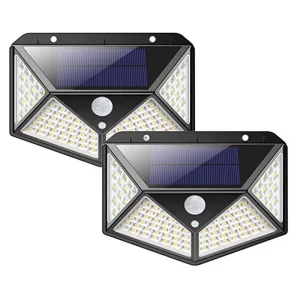
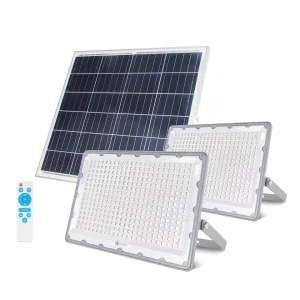
Jiangmen NexLt Light Co., Ltd. is a professional manufacturer, processor, and supplier specializing in solar energy projector lamps, street lamps, LED products, lighting fixtures, lamp accessories, and a wide range of lighting solutions. In addition, we provide comprehensive services including product design, shell parts manufacturing, assembly, installation, and long-term technical support. Our manufacturing site is configured to handle both high-volume standardized production and custom structural orders, serving clients across North America, Europe, Southeast Asia, and the Middle East.
NexLt Light Co., Ltd. is equipped with advanced production equipment and a team of highly skilled technicians. We prioritize precision and innovation, continuously enhancing product quality to meet the evolving needs of our customers. Our commitment is to provide reliable, efficient, and high-quality lighting solutions, ensuring customer satisfaction and long-term partnerships. Through years of industry participation, we have established a reputation built on integrity, engineering strength, and product quality.
Our industrial production facility utilizes specialized equipment to ensure mechanical consistency, electrical safety, and long service life. The manufacturing process uses strict checkpoints at every production stage. Below is our step-by-step assembly and testing flow:
Rigorous incoming checks of aluminum ingots, LEDs, and drivers.
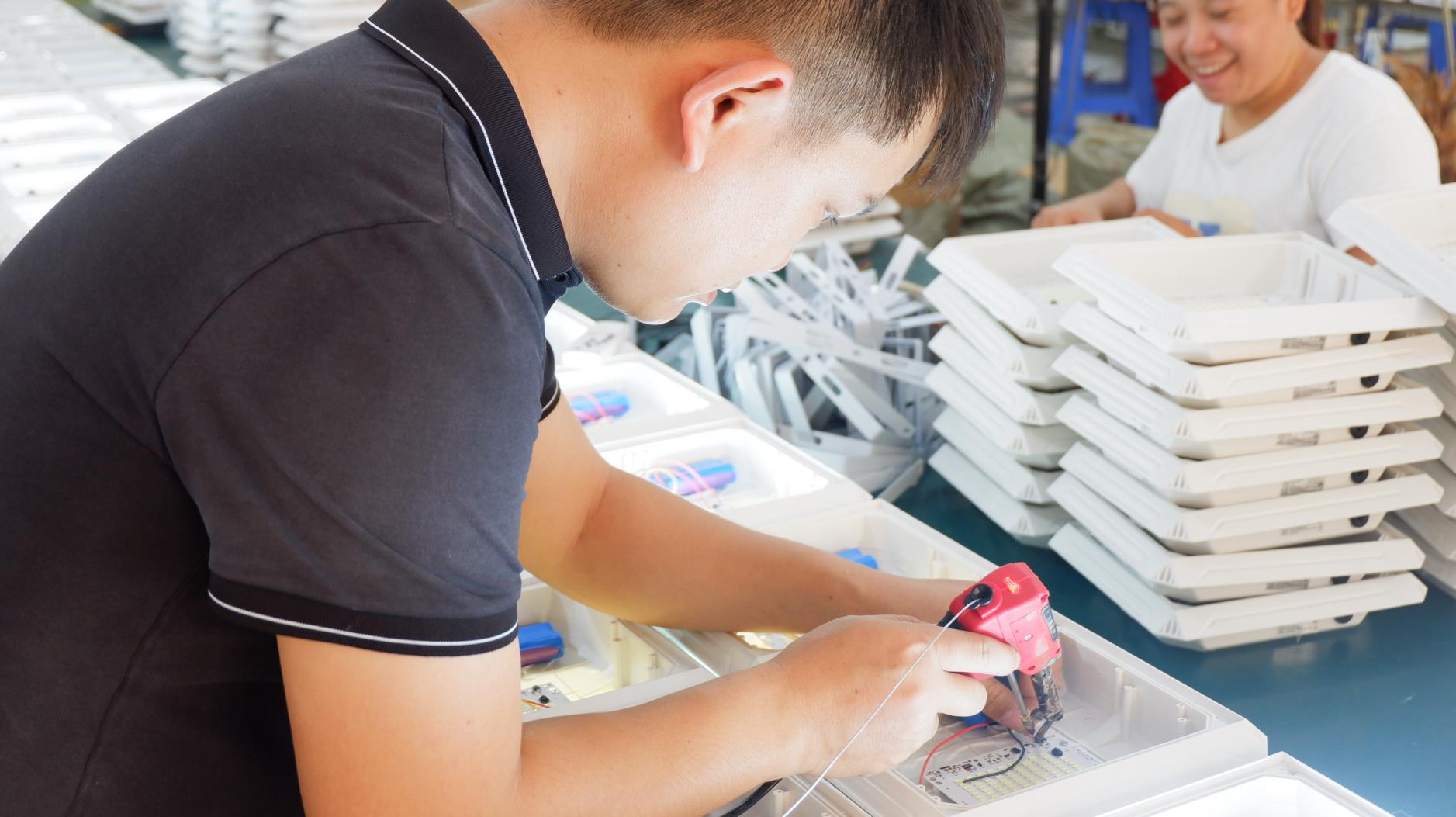
Precise electrical connection welding to ensure low resistance paths.
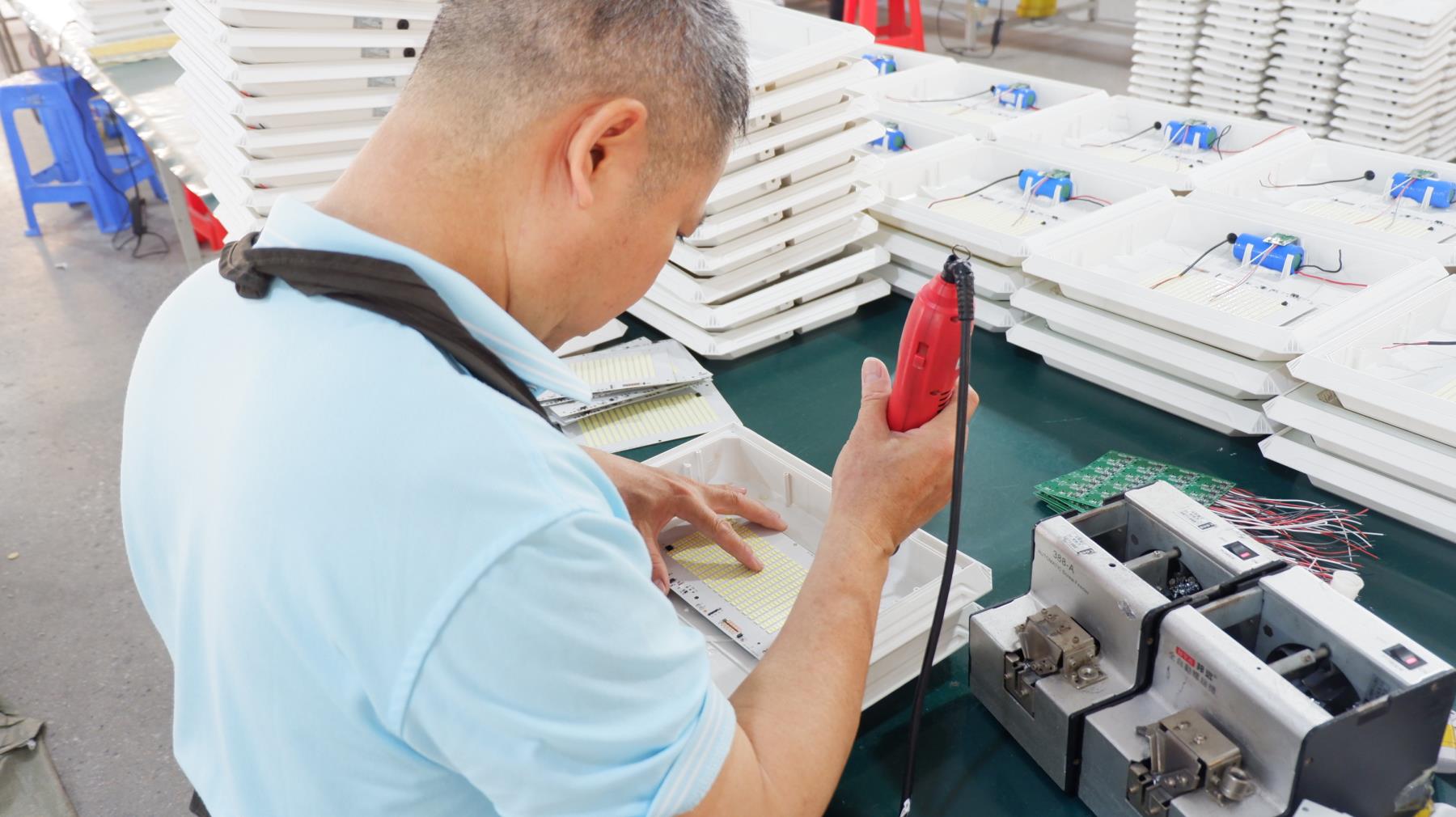
Structural integration of heatsinks, optical lenses, and housings.
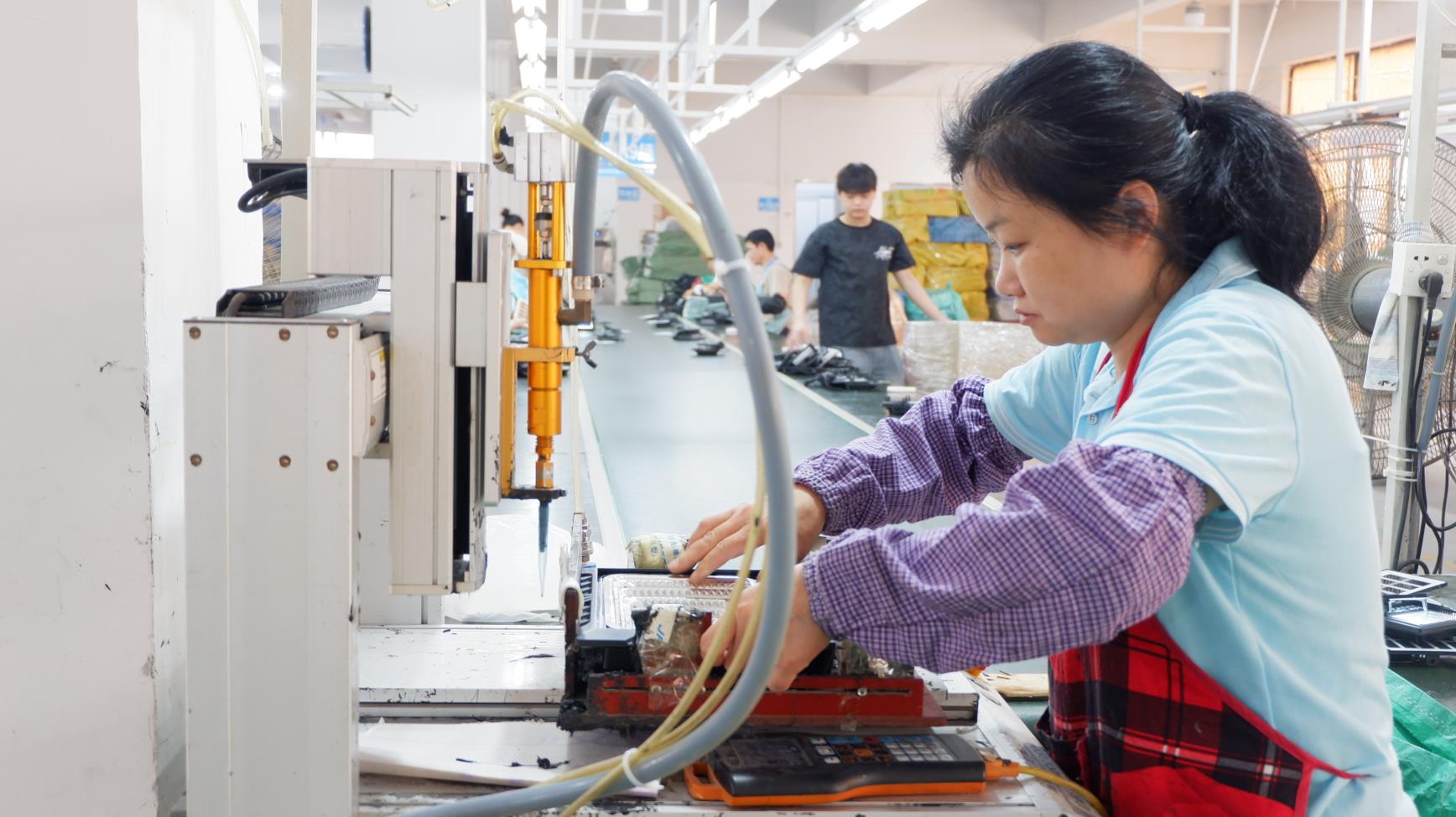
Application of specialized silicon sealant for high IP-rated seals.
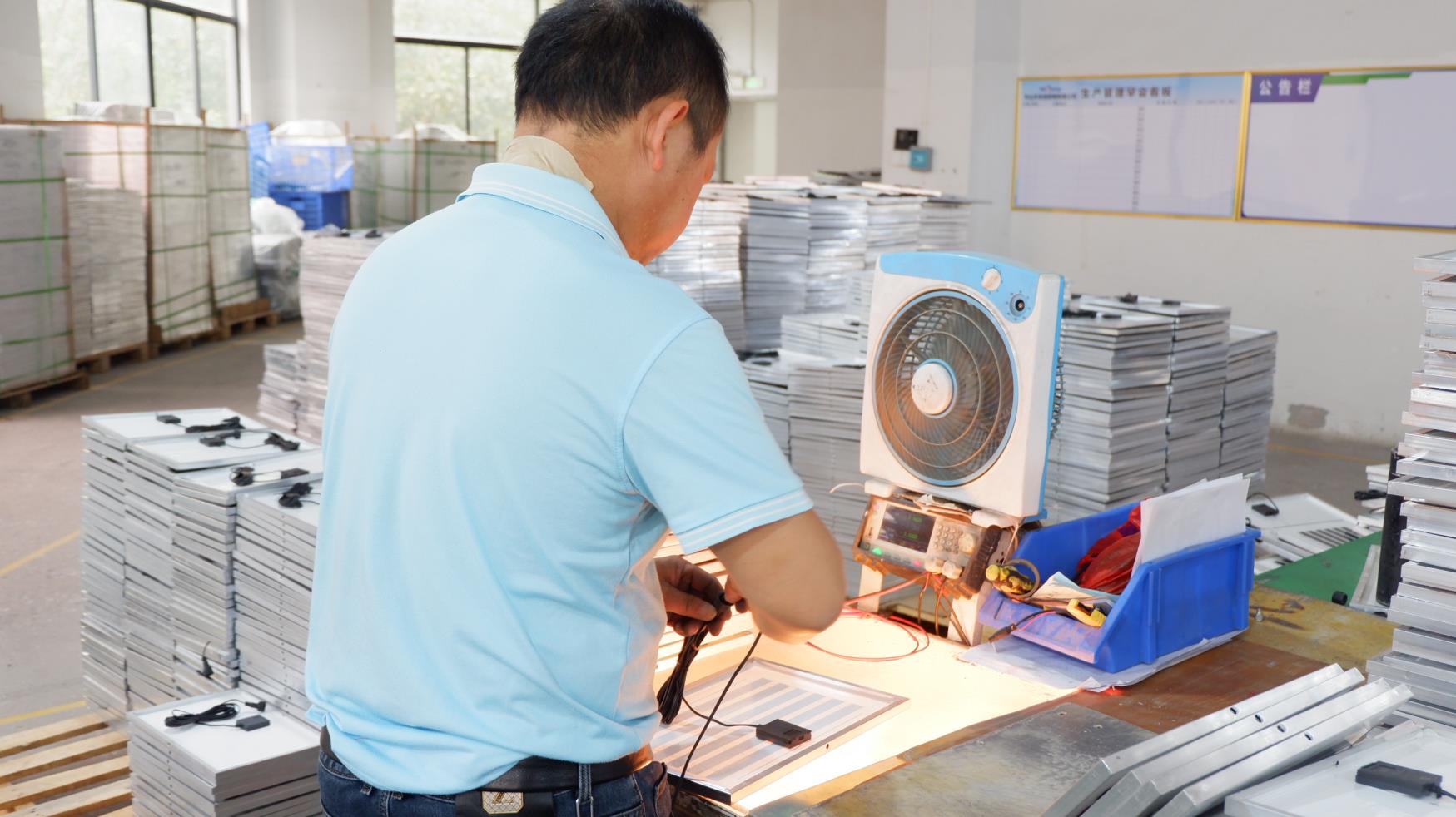
Electroluminescence testing to inspect for micro-cracks or active defects.
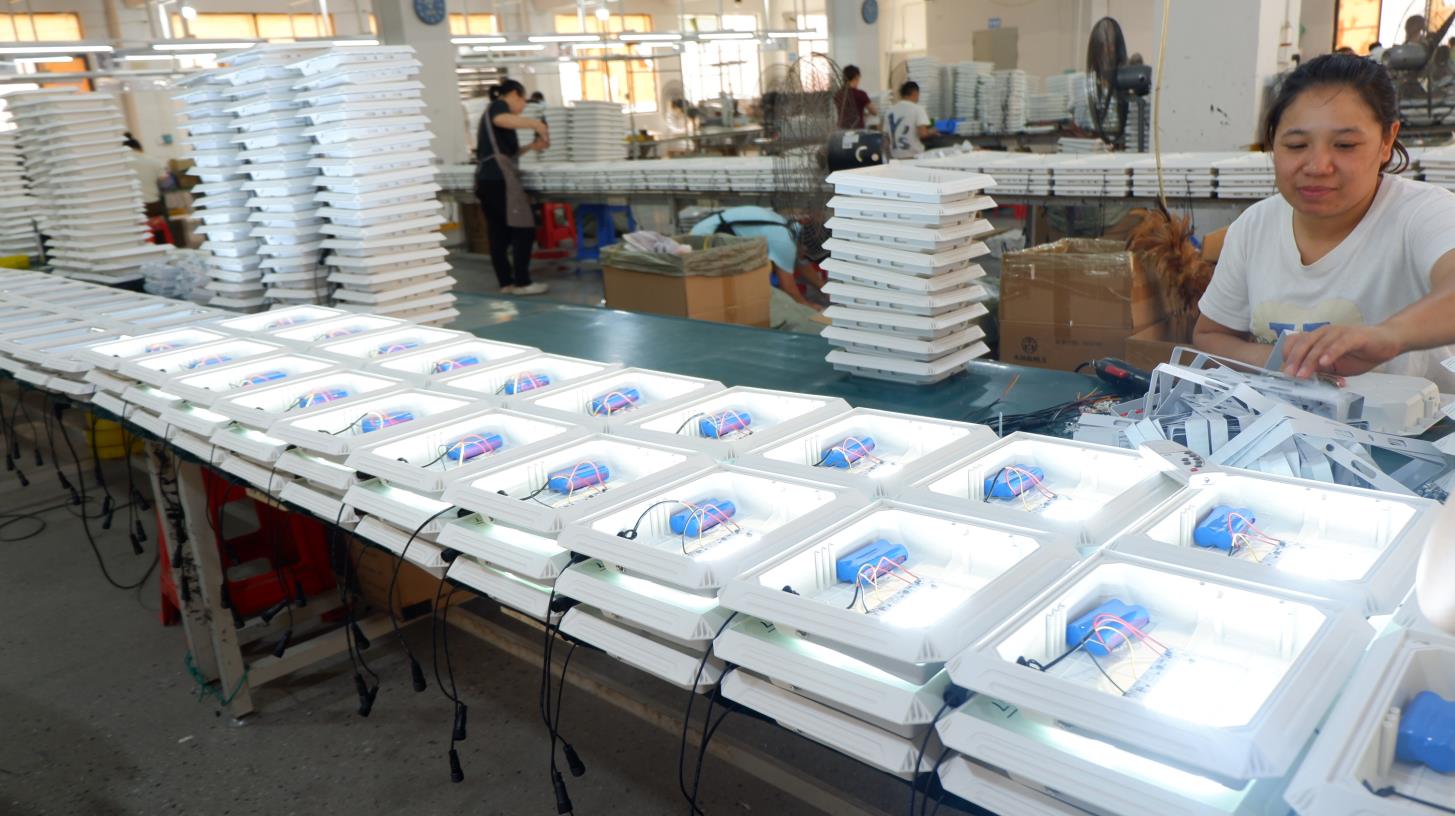
Extended thermal and electrical run-time testing under stress.
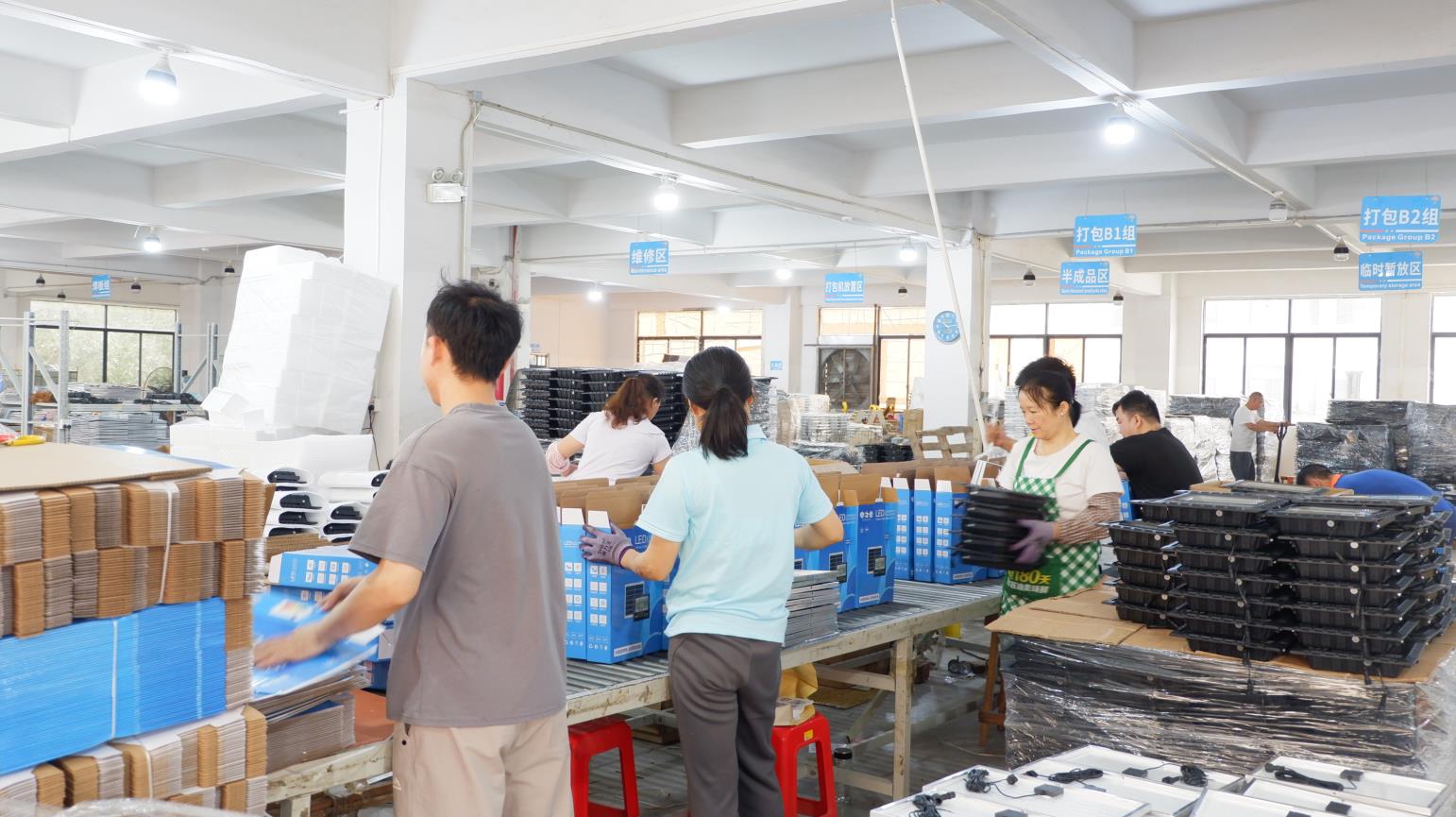
Robust export-grade packaging designed to prevent transit damage.
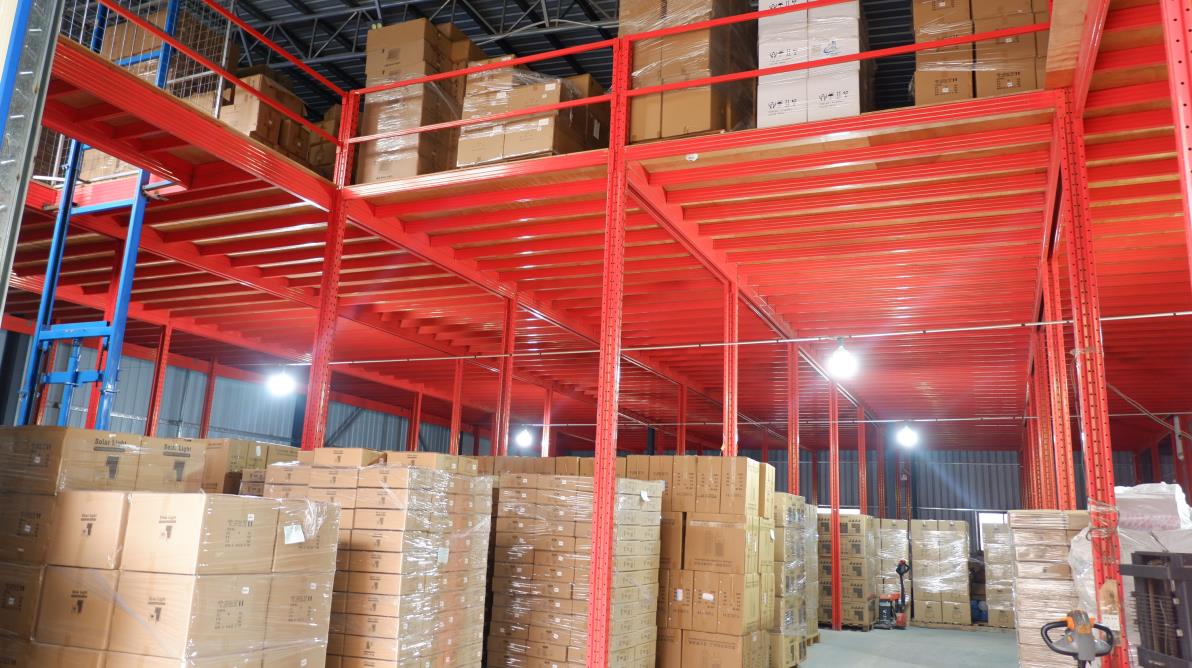
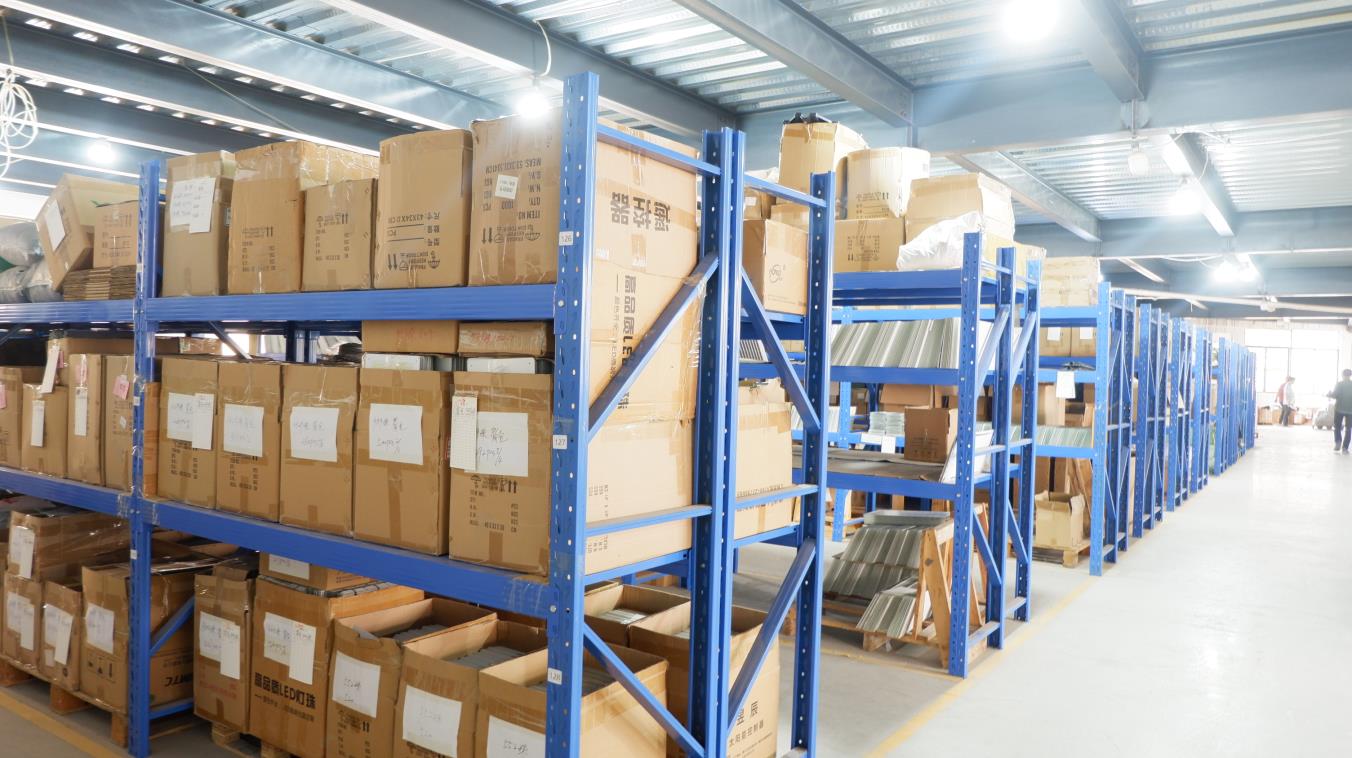
Final warehouse sorting, cataloging, and shipment preparation.
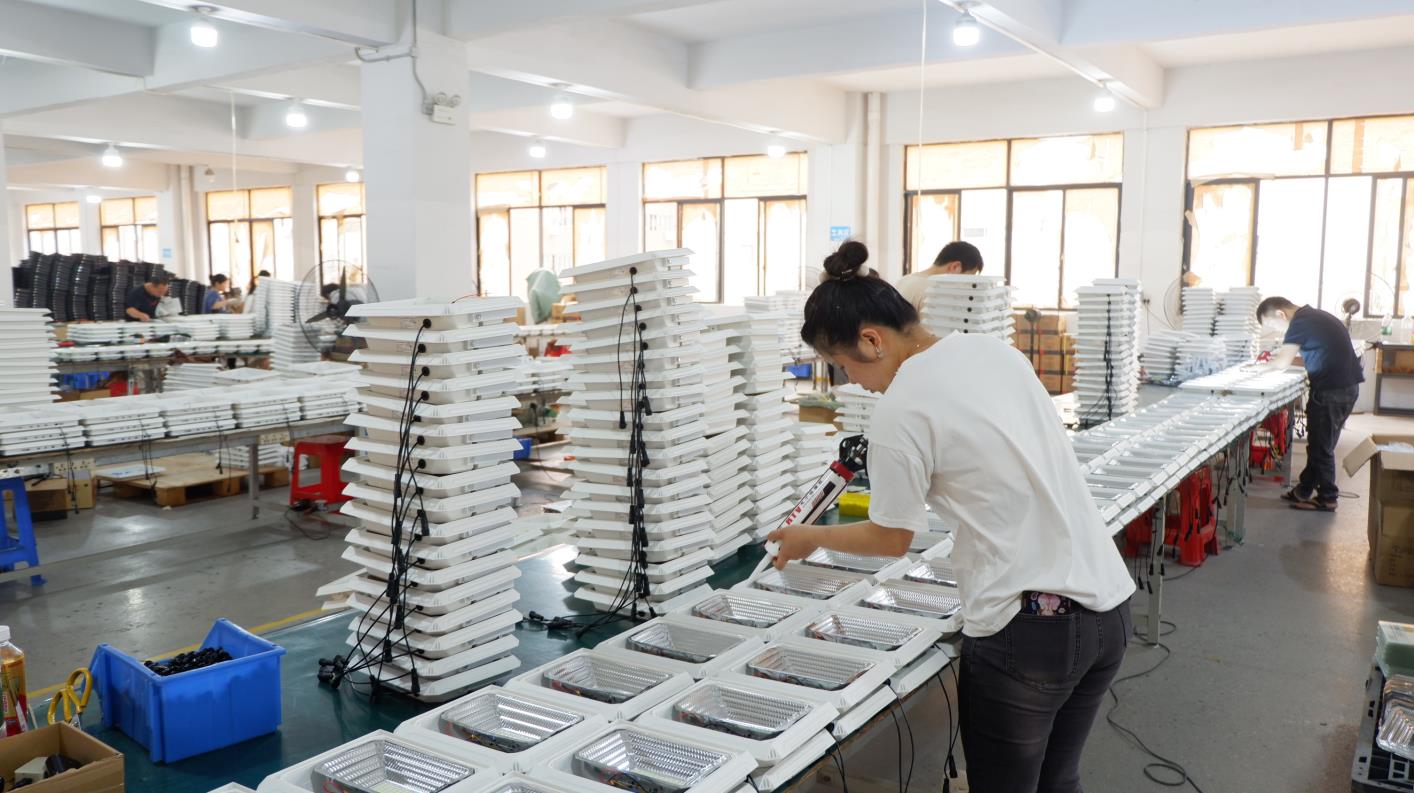
Structured workstation layout optimized for consistent output.
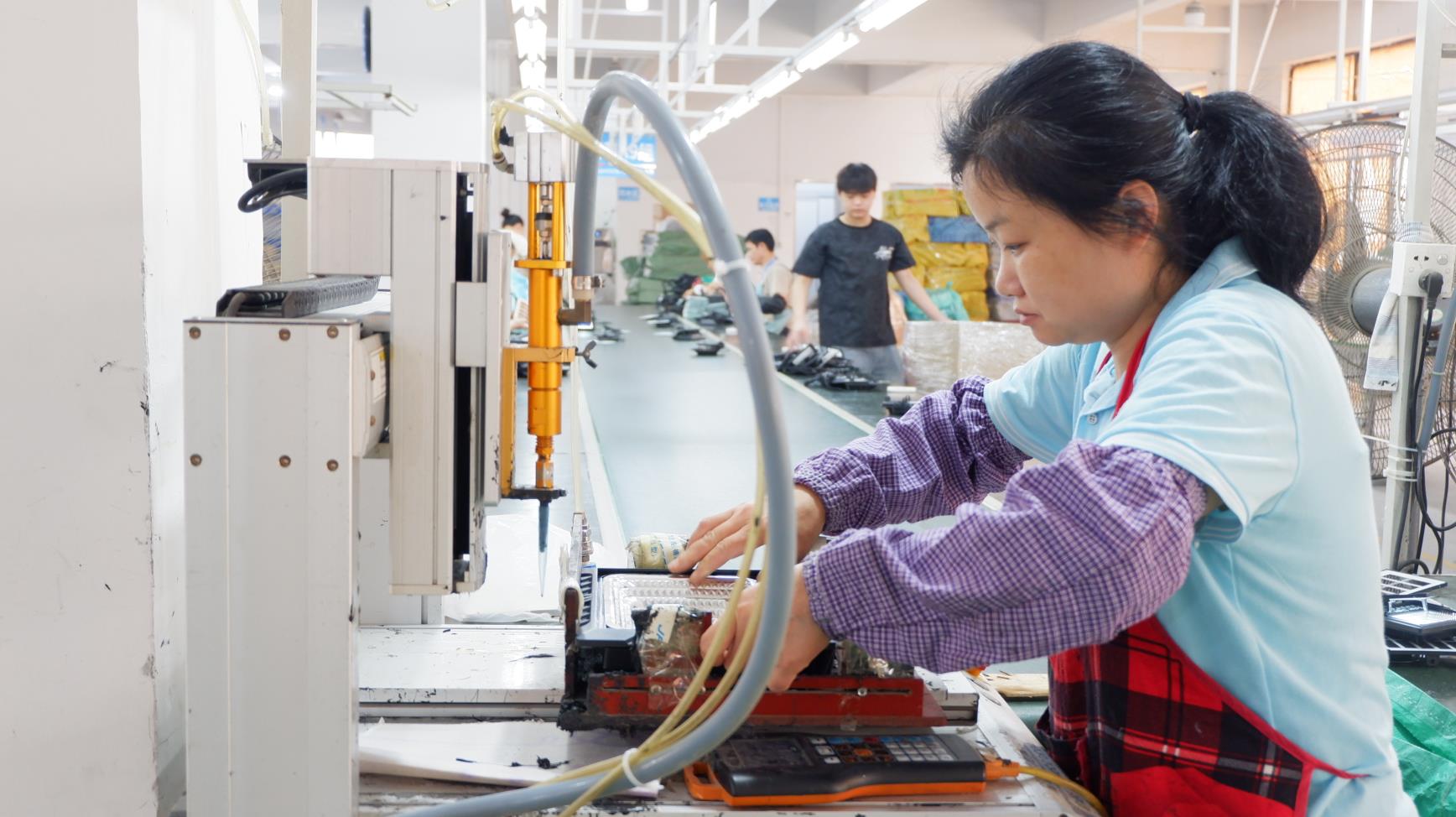
Precision computer-guided gluing for consistent IP sealing.
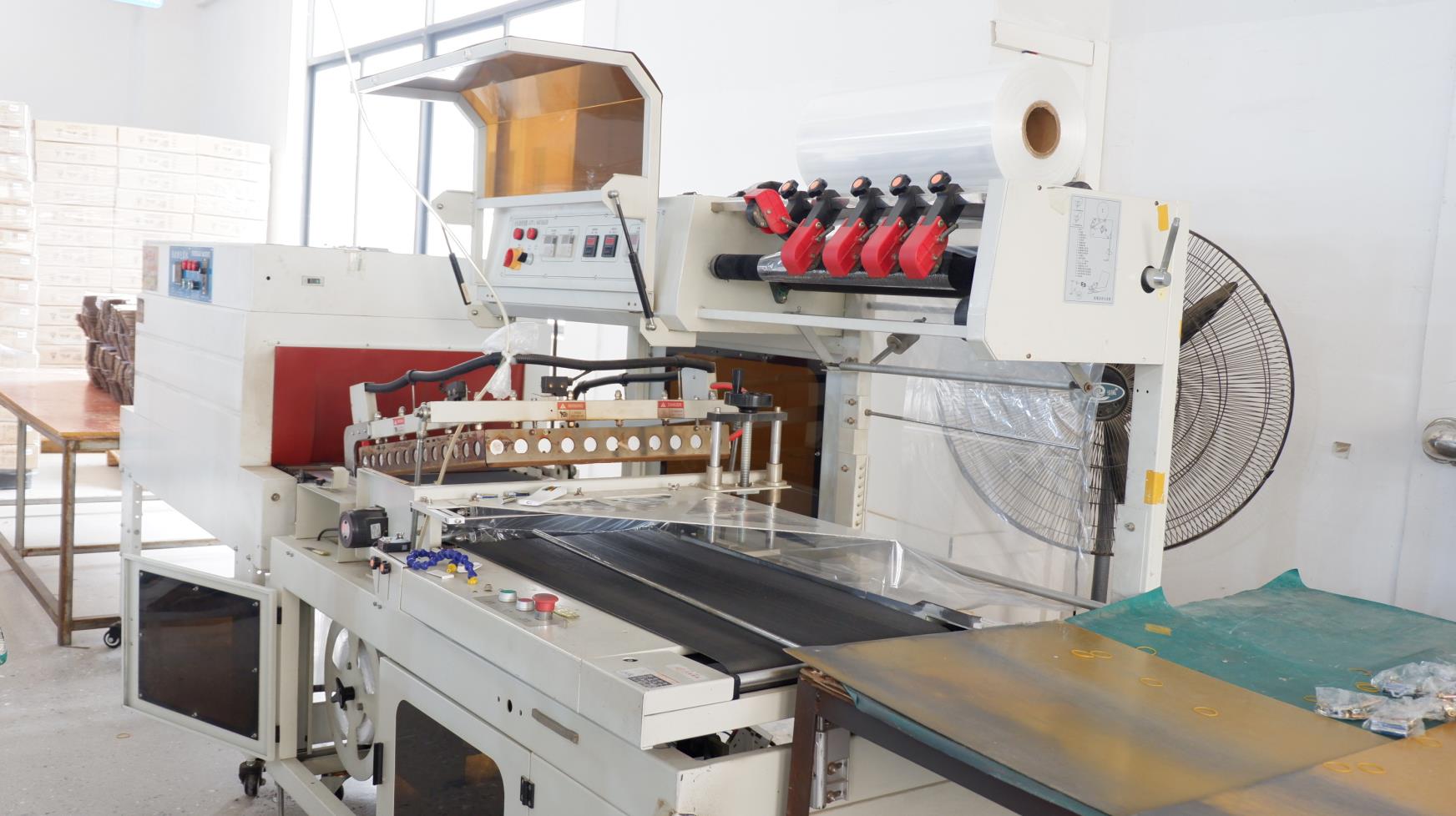
Industrial thermal sealing for wire connections and cables.
Sourcing LED lighting systems directly from China, and specifically from the Jiangmen and Guzhen industrial clusters in Guangdong, offers clear advantages for global B2B buyers. It is not just about lower labor costs; it is about the integration of the supply chain, rapid prototyping, and specialized infrastructure. Here is how this ecosystem translates to value for your business:
Proximity to chemical and electrical refiners means raw materials like ADC12 aluminum alloys and optical-grade polycarbonate are sourced, inspected, and processed locally. This reduces transit times and keeps component pricing competitive.
Our facilities are located within a specialized supply chain network. We can quickly source, test, and integrate driver electronics, PCB boards, and high-efficiency LED chips, speeding up the transition from prototype to mass production.
Developing custom housings or modified bracket designs is efficient here. Tooling shops and casting facilities are close by, reducing the time needed to create custom molds for OEM/ODM projects.
The commercial lighting industry is moving beyond basic energy savings to focus on smart integration, sustainability, and longevity. Buyers should consider these emerging technical trends when designing projects:
| Feature Category | Legacy Specifications | Modern NexLt Standards | Strategic B2B Value |
|---|---|---|---|
| Luminous Efficacy | 100 - 120 lm/W | 150 - 170 lm/W | Saves up to 40% more energy, reducing operational costs. |
| Ingress Protection | IP65 (Basic Sealing) | IP66 & IP67 (High-Grade Sealing) | Protects against high-pressure water jets and dust ingress. |
| Battery Chemistry | Lead-Acid or Li-ion | LiFePO4 (Lithium Iron Phosphate) | Extends operating life to 2,000+ cycles and improves thermal stability. |
| System Control | Manual Timer / Photocell Only | Smart IoT (4G/LTE / Smart Dimming) | Allows remote monitoring and automated maintenance scheduling. |
Different commercial and industrial environments have unique lighting requirements. A lighting system that works well for a shopping center may not be suitable for a municipal highway or an oil and gas station. We design our product lines to address these specific operational needs:
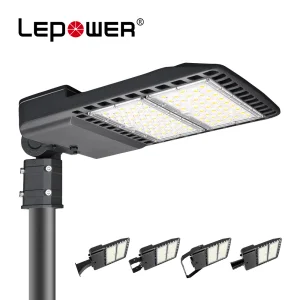
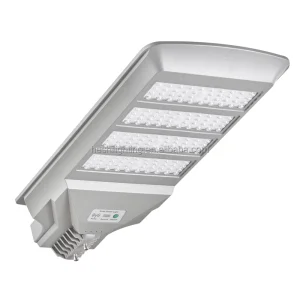
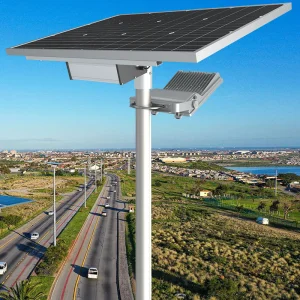
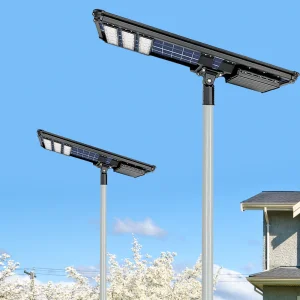
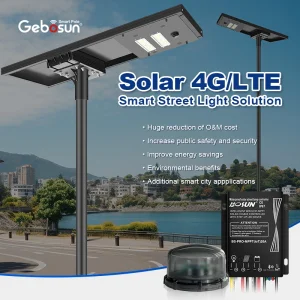
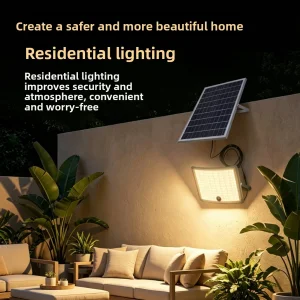
Municipalities require reliable, long-lasting fixtures to keep maintenance costs low. Our integrated solar street lights and IoT 4G/LTE smart systems allow cities to manage entire light networks remotely, adjust output based on foot traffic, and receive automatic alerts for maintenance.
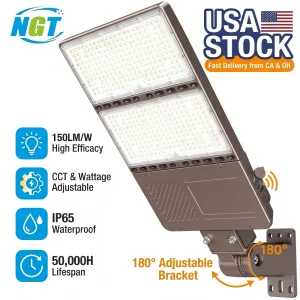
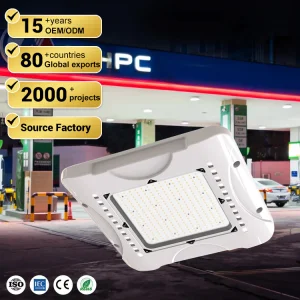
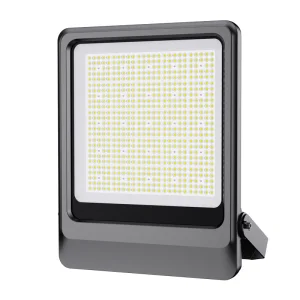
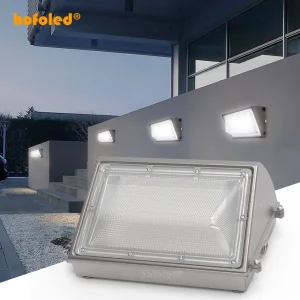
Gas stations, industrial plants, and warehouses require robust, high-performance fixtures. Our canopy lights and high-power floodlights feature cast-aluminum housings and specialized heat-dissipating channels to handle continuous operations in warm climates.
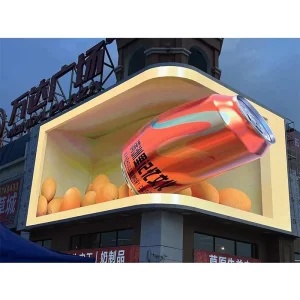
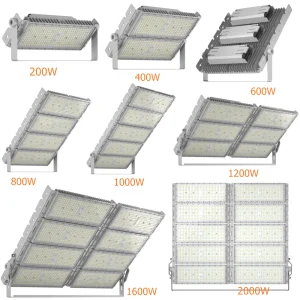
Athletic facilities and large-scale architectural projects require precise beam control and high output. Our high-power LED floodlights (up to 2000W) deliver uniform coverage, correct color rendering, and remain flicker-free for broadcasting, while minimizing glare for spectators and players.
Our products are engineered to deliver reliable performance over a long service life. We select and test every component to ensure it meets our quality standards:
 NexLt Light