Best Guide to Lumens vs Watts in LED Lighting Explained?

Time:2026-06-13 Author:Ethan
0%

Navigating the world of LED lighting can be confusing, especially when discussing lumens and watts. Many people ask, "What is the difference between lumens and watts in LED lighting?" Understanding these terms is crucial for making informed choices about energy-efficient lighting.

Lumens measure brightness. The more lumens, the brighter the light. Watts, on the other hand, measure energy usage. Traditional bulbs consume more watts to produce a similar brightness. This shift towards LED lighting helps reduce energy bills while providing ample light.

Some may overlook this distinction. However, this knowledge can enhance one’s home or workspace significantly. Choosing the right lumens can create a desired atmosphere. Many people mistakenly equate high wattage with brightness. This common misconception can lead to poor lighting choices and wasted energy. Recognizing the actual lighting needs is essential for creating effective and efficient environments.
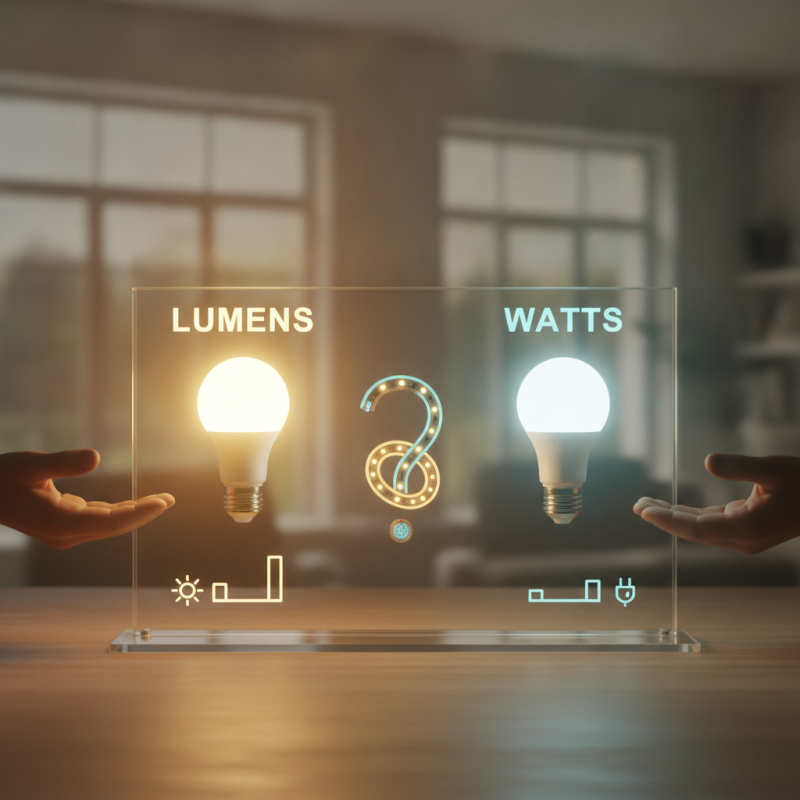
Best Guide to Lumens vs Watts in LED Lighting Explained?

Understanding the Basics of Lumens and Watts in LED Lighting

When discussing LED lighting, two essential terms often come up: lumens and watts. Understanding both can significantly impact your lighting choices. Lumens measure brightness. A higher lumen count means a brighter light. Watts, on the other hand, indicate energy consumption. Traditional bulbs might use more watts for less light output. This shift to LED technology often confuses consumers.

Many people equate more watts with more light. In reality, LEDs offer greater efficiency. They can produce more lumens while consuming fewer watts. For example, a 10-watt LED bulb can provide the same brightness as a 60-watt incandescent bulb. This conversion means you can save energy and reduce your electricity bill.

Choosing the right LED light involves balancing lumens and watts. Consider your space. A cozy corner might need softer light, while a work area needs brightness. Testing different options helps refine your preferences. It’s a process of trial and error. Understanding these principles can inspire confidence in your lighting decisions.

The Relationship Between Lumens and Watts Explained

Understanding the relationship between lumens and watts is crucial for selecting LED lighting. Lumens measure brightness. Watts measure energy consumption. This distinction helps consumers understand both the efficiency and brightness of their lighting options.

When choosing LED lights, it’s easy to focus only on watts. However, this can be misleading. For instance, a 10-watt LED might produce 800 lumens. In contrast, a traditional bulb providing the same brightness could consume 60 watts. This variability shows the efficiency of LEDs compared to older technologies. They provide more light with less energy.

Sometimes, consumers don't consider the actual lighting needs. Is the room bright enough with 800 lumens? Or too bright for comfort? Reflecting on such questions can lead to better choices. It's not just about efficiency; it’s about creating the right ambiance. Understanding this balance can optimize both energy use and comfort in your living space.

Understanding Lumens vs Watts in LED Lighting

This chart illustrates the relationship between lumens (light output) and watts (power consumption) in common LED bulbs. Greater lumens indicate brighter light, while lower watts signify lower energy consumption.

How to Measure Brightness: Lumens vs. Watts

When considering lighting options, understanding brightness is crucial. Brightness in LED lighting is measured in lumens. Higher lumens mean brighter light. Watts, on the other hand, measure energy consumption, not brightness. An LED bulb may consume less wattage while still producing high lumens. For example, a typical LED bulb can emit around 800 lumens using just 10-12 watts.

Many consumers believe that higher wattage indicates better brightness. This is a common misconception. Recent studies show that traditional incandescent bulbs require 60 watts to produce similar brightness. In stark contrast, LEDs are more efficient. They provide the same luminosity without the excessive power drain. This efficiency can lead to significant energy cost savings over time.

The challenge arises when comparing different lighting types. Not all LEDs are created equal, and quality varies widely based on manufacturer. Research from the Department of Energy indicates that integrating lumens into purchasing decisions can improve consumer satisfaction. However, many people still rely on wattage alone. This disconnect may lead to less optimal choices in lighting setups. Understanding the difference between lumens and watts is vital for informed decisions.

Choosing the Right Wattage for Desired Lumens in LED Bulbs

When selecting LED bulbs, understanding the relationship between lumens and watts is crucial. Lumens measure brightness, while watts indicate energy consumption. Many people still confuse the two. You might think higher watts mean brighter light. That’s a common misconception.

To choose the right wattage for the desired lumens, consider your space. For instance, a room needing 800 lumens typically requires about 10-12 watts in LED bulbs. However, factors like color temperature and fixture type can affect your choice. Do you prefer warm or cool light? The ambiance changes with different hues.

Sometimes, even experienced users struggle with selecting the perfect bulb. You might buy a bulb based on wattage alone, only to find it doesn’t meet your brightness needs. Take the time to read labels. Experimenting with different outputs can enhance your lighting experience. It’s essential to reflect on your preferences and room characteristics for the best results.

Best Guide to Lumens vs Watts in LED Lighting Explained

LED Bulb Wattage (Watts) Brightness (Lumens) Typical Applications
5 Watts 450 Lumens Ambient lighting in small spaces
9 Watts 800 Lumens Table lamps and wall sconces
12 Watts 1100 Lumens General lighting in bedrooms and living rooms
15 Watts 1600 Lumens Pendant lights and larger spaces
20 Watts 2500 Lumens Commercial spaces and work areas
25 Watts 3200 Lumens High ceilings and warehouses

Common Misconceptions About Lumens and Watts in Lighting

Lumens and watts are often misunderstood in the world of LED lighting. Many assume that more watts equal brighter light. However, this is misleading. Watts measure energy consumption, whereas lumens measure brightness. According to the U.S. Department of Energy, an LED can produce the same brightness as a traditional bulb while using significantly fewer watts.

A common misconception is that wattage indicates light output. For instance, a 60-watt incandescent bulb produces about 800 lumens. In contrast, an LED bulb emits the same brightness but only uses about 10 watts. This efficiency can lead to substantial energy savings. The Energy Star program highlights that LED lighting can reduce energy use by up to 75% compared to incandescent bulbs, significantly impacting electricity bills.

Many still cling to outdated beliefs. This can lead to poor lighting choices. It’s essential to focus on lumens when selecting lighting options. Consumers can feel overwhelmed by the technical jargon. Yet, understanding lumens versus watts is key to making informed decisions. An awareness of these concepts can enhance your lighting experience significantly.

FAQS

: What do lumens measure?

: Lumens measure the brightness of light.

What do watts indicate?

Watts indicate energy consumption of lighting.

Why is understanding lumens and watts important?

Understanding these helps select efficient and bright lighting options.

Can a low wattage LED be brighter than a high wattage traditional bulb?

Yes, a 10-watt LED can produce 800 lumens, equal to a 60-watt bulb.

Do more watts mean brighter light?

No, more watts do not equate to brightness; lumens do that.

How much energy can LEDs save compared to incandescent bulbs?

LEDs can reduce energy use by up to 75%.

How should I assess my lighting needs?

Consider if 800 lumens is bright enough or too bright for comfort.

What do consumers often misunderstand about lighting?

Many think wattage directly relates to light output, which is not true.

Is it easy to understand lumens and watts?

It can be overwhelming, but knowing the difference is essential.

What happens if people ignore these concepts?

Ignoring them can lead to poor lighting choices that lack comfort.

Conclusion

In the guide "Best Guide to Lumens vs Watts in LED Lighting Explained," the fundamental concepts of lumens and watts are thoroughly examined. Lumens measure the brightness of light emitted by a bulb, while watts quantify the energy consumption of that bulb. Understanding the relationship between these two metrics is crucial for making informed lighting choices. The article also highlights how to accurately measure brightness and provides guidance on selecting the appropriate wattage for achieving desired lumens in LED bulbs.

Additionally, it addresses common misconceptions about lumens and watts in lighting, clarifying that higher watts do not necessarily equate to brighter light. Instead, the focus should be on lumens to determine brightness. This leads to the key question: What is the difference between lumens and watts in LED lighting? By emphasizing lumens over watts, consumers can optimize their lighting solutions for energy efficiency and desired brightness.

Ethan

Ethan

Ethan is a seasoned marketing professional with a deep expertise in our company's innovative product line. With a passion for sharing knowledge and insights, he takes the lead in regularly updating our corporate blog, where he explores industry trends, product features, and effective marketing......