How to Convert Old Metal Halide Floodlights to LED Efficiently?

Time:2026-07-31 Author:Charlotte
0%

As cities and businesses look to upgrade their lighting, the shift from metal halide floodlights to LED technology is becoming increasingly important. According to lighting expert John Collins, “Converting outmoded floodlights to LED not only enhances efficiency but also elevates safety.” This sentiment reflects a growing consensus in the industry about the benefits of LED lighting.

To understand how to convert old metal halide floodlights to LED, it’s crucial to know the advantages. LED lights consume less energy and have a longer lifespan. This transition reduces maintenance costs and contributes to sustainability efforts. However, the conversion process is not always straightforward. Some users may struggle with compatibility issues or the technicalities of fitting LED modules into existing fixtures.

Transforming these floodlights is a good opportunity for businesses to reflect on their lighting choices. While the initial investment may seem high, the long-term savings and environmental benefits are substantial. Crafting a solid plan to execute this conversion wisely can lead to enhanced illumination and significant savings. This journey not only upgrades old technologies but also brings forth a commitment to better energy practices.
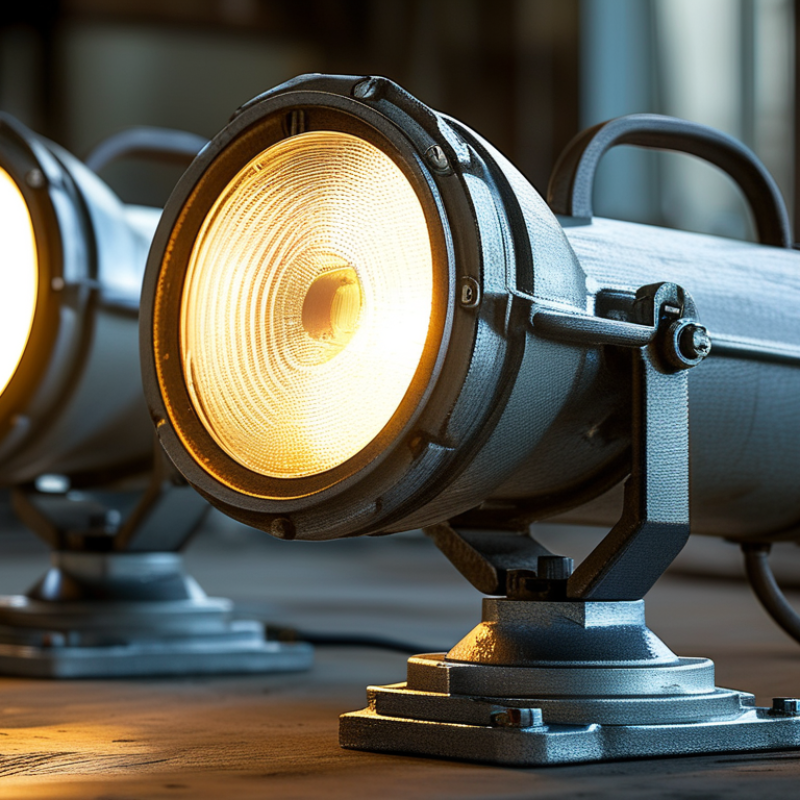
How to Convert Old Metal Halide Floodlights to LED Efficiently?

Understanding the Benefits of Converting Metal Halide Floodlights to LED

Converting old metal halide floodlights to LED technology offers numerous advantages. One of the most significant benefits is energy efficiency. According to the U.S. Department of Energy, LED lights can consume up to 75% less energy compared to traditional metal halide lamps. This dramatic reduction translates into substantial savings on energy bills.

Additionally, LED floodlights have a much longer lifespan. While metal halide lights typically last about 15,000 hours, LEDs can last for 50,000 hours or more. This longevity means fewer replacements, reducing maintenance costs and efforts over time. Reliability is another critical factor; LEDs offer consistent light output without flickering. This reliability contributes to safer environments in commercial and industrial settings.

Tip: When converting floodlights, consider professional installation for optimal performance. Proper placement can enhance lighting coverage and minimize shadows.

However, it’s essential to reflect on potential challenges. During the transition, some may face compatibility issues with existing fixtures. Addressing these concerns promptly is crucial to prevent disruptions. Engaging with professionals can aid in selecting suitable LED replacements that fit existing hardware.

Tip: Always check for local rebates and incentives for energy-efficient upgrades. This can further offset costs and support a more sustainable transition.

Assessing Existing Metal Halide Floodlights for Upgrade Potential

Assessing existing metal halide floodlights for upgrade potential requires a thorough evaluation. Start by checking the age of the fixtures. Typically, metal halide lights last around 15,000 hours. If yours are nearing or beyond this threshold, an upgrade becomes more appealing. Additionally, consider the current energy consumption. Metal halide lights usually consume between 250W and 1000W. In contrast, LED floodlights can provide comparable brightness while using significantly less power, often around 100W to 400W.

Another critical aspect is the light output quality. Metal halide fixtures often emit a bluish light with a color rendering index (CRI) of 65-80. LEDs can deliver a higher CRI, improving color fidelity in illuminated spaces. This factor is crucial, particularly in settings requiring accurate color representation, such as art galleries or retail. Moreover, note any signs of degradation. Flickering or diminished brightness may indicate an urgent need for replacement.

Finally, think about the environmental impact of your lighting choices. Metal halide lights contain mercury, posing disposal challenges. Transitioning to LED significantly reduces waste and energy costs. According to a report from the Department of Energy, LEDs offer a lifespan up to 50,000 hours. This not only cuts maintenance costs but also leads to greener operations. Assessing these factors helps in making an informed decision about that upgrade.

Selecting the Right LED Replacement Options for Floodlights

When selecting the right LED replacement for old metal halide floodlights, consider the lumen output. LED lights are more efficient, so you may not need as high a wattage to achieve desired brightness. A 100-watt LED might offer the same lumen output as a 400-watt metal halide. Think about the color temperature as well. Warmer tones can create a welcoming environment, while cooler tones enhance visibility.

Tips: Measure the area needing illumination carefully. This will help in choosing the correct wattage. Take note of your existing floodlight's mounting and adjustability. This can affect how much light is distributed. Choose LED replacements that fit well with your existing setup.

Don’t forget compatibility. Some LED models may require new fixtures or wiring. This can complicate your project and add costs. Research options that fit your current system seamlessly. Look for certified options to ensure safety and performance standards are met. It’s essential to weigh the pros and cons of each choice before making a final decision.

Energy Consumption Comparison: Metal Halide vs. LED Floodlights

Step-by-Step Guide to Safely Remove Old Metal Halide Fixtures

When converting old metal halide floodlights to LED fixtures, safely removing the existing units is crucial. Metal halide fixtures often have high-voltage connections and hazardous materials within, requiring careful handling. Prioritize personal safety by turning off the power at the main source. Using insulated tools can help avoid electric shock.

A report from the U.S. Department of Energy highlights that LED lighting can offer up to 80% energy savings compared to metal halide fixtures. This means significant savings on energy bills over time. Check the local regulations regarding the disposal of old fixtures, as metal halides usually contain small amounts of hazardous materials. Proper disposal is both responsible and often required by law.

Tip: Always wear gloves and a dust mask when handling old fixtures. This prevents exposure to any toxic substances. Before starting, make sure to document the existing wiring configuration. This can help during the installation of new LED models. Assess the space and ensure that the new fixtures can fit without extensive modifications. Doing so can save time and resources in the long run.

Consider that not all LED fixtures are created equal. Some may not fit your existing mounts or may not provide the same light quality. Investing time in research can prevent headaches later. Proper planning is essential to avoid the frustration of an incomplete or unsafe installation process.

Installing and Testing New LED Floodlight Fixtures for Optimal Performance

When installing and testing new LED floodlight fixtures, proper preparation is crucial. First, ensure you have the right tools. You'll typically need a ladder, wiring tools, and a voltage tester. Safety gear is essential. This prevents accidents while working at heights or with electrical components.

Begin by carefully removing the old metal halide fixtures. Pay attention to wiring and connections. It's an opportunity to check for any wear or damage in the electrical system. Inspect the mounting locations too. If they show signs of corrosion or damage, you may need to address those issues before proceeding.

Once the new fixtures are installed, testing them becomes vital. Switch them on and observe the light quality. Make sure the illumination is evenly distributed and bright enough for the intended area. Wobbling fixtures should be secured firmly. If there’s uneven lighting or flickering, review your installation work. Small mistakes can lead to larger issues down the line, and this step ensures optimal performance.

FAQS

: What are the main benefits of converting metal halide floodlights to LED?

: The main benefits include energy efficiency, longer lifespan, and reliability. LEDs can save up to 75% on energy costs.

How long do LED floodlights last compared to metal halide lights?

LED floodlights can last over 50,000 hours. In contrast, metal halide lights typically last about 15,000 hours.

Should I hire a professional for the installation of LED lights?

Yes, professional installation can enhance performance. Proper placement minimizes shadows and maximizes coverage.

What should I do before removing old metal halide fixtures?

Always turn off the power at the main source. Use insulated tools to prevent electric shock.

Are there any hazards when handling old metal halide fixtures?

Yes, old fixtures can contain hazardous materials. Wear gloves and a dust mask for safety.

What do I need to check before installing new LED fixtures?

Document existing wiring and ensure new fixtures fit well. This helps avoid costly modifications later.

What should I be aware of regarding compatibility issues?

Some LED fixtures may not work with existing mounts. Research can help you find suitable replacements.

How can I minimize costs when upgrading to LEDs?

Check for local rebates and incentives for energy-efficient upgrades. This can help offset the overall costs.

Is proper disposal of old fixtures important?

Yes, it's essential. Proper disposal protects the environment and may be required by local regulations.

What common challenges might arise during the conversion process?

Compatibility issues and safety concerns are common. Reflect on these to avoid potential disruptions.

Conclusion

In the article titled "How to Convert Old Metal Halide Floodlights to LED Efficiently," the focus is on the significant benefits of upgrading to LED technology. This transition not only enhances energy efficiency but also improves lighting quality and reduces maintenance costs. The article begins by assessing existing metal halide floodlights to determine their potential for an upgrade, followed by guidance on selecting the most suitable LED replacement options.

The second part of the article provides a comprehensive step-by-step guide for safely removing old metal halide fixtures. It concludes with instructions for the proper installation and testing of new LED floodlight fixtures to ensure optimal performance. This thorough approach makes it clear how to convert old metal halide floodlights to LED, emphasizing safety and effectiveness throughout the process.

Charlotte

Charlotte

Charlotte is a seasoned marketing professional with a deep understanding of the company's portfolio and a passion for elevating its presence in the market. With a keen eye for detail and a commitment to excellence, she ensures that our professional blog is regularly updated with insightful articles......