Cities around the world are faced with a difficult decision: to stick with high pressure sodium (HPS) street lights or to transition to LED alternatives. The question arises, "Why are cities replacing high pressure sodium with LED street lights?" This shift is not just a trend but a strategic move backed by various compelling reasons.
LED street lights are more energy-efficient. They consume up to 75% less energy than HPS lights, significantly reducing utility costs. Additionally, LED lights have a longer lifespan, which decreases maintenance costs over time. This is crucial for municipalities with tight budgets.
Moreover, LED lights offer better light quality. Their bright, white illumination enhances visibility, improving safety for pedestrians and drivers alike. However, some cities find themselves hesitant. Transitioning can be expensive upfront. The technology is evolving, and some local governments struggle to keep pace. They must reflect on their choices, balancing immediate costs with long-term benefits. The decision to replace HPS with LED is not just practical; it symbolizes a commitment to sustainability and modern infrastructure.
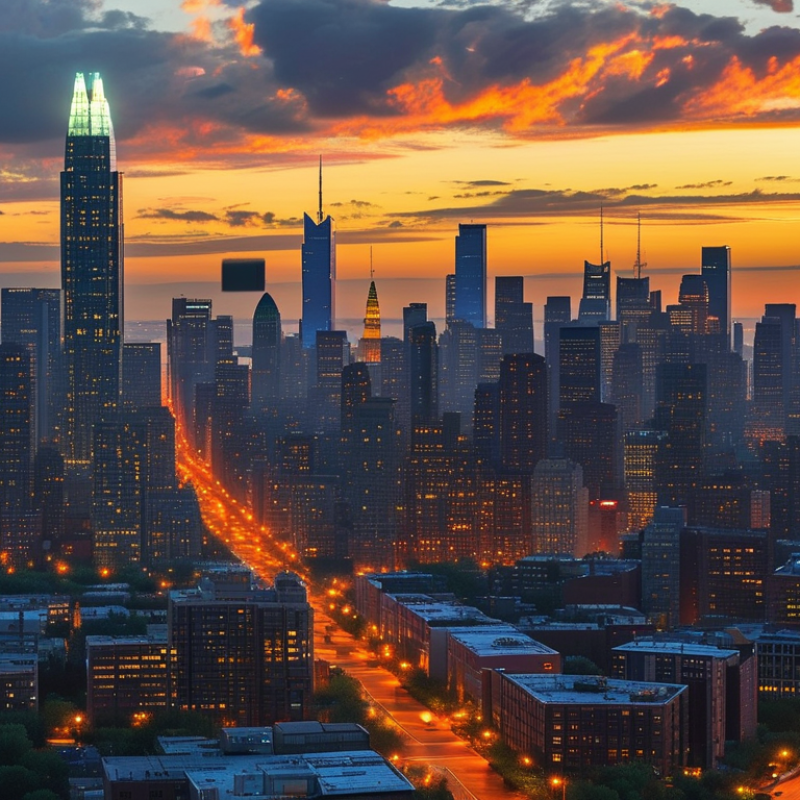
Reasons for Cities to Transition from HPS to LED Street Lights
Cities are increasingly transitioning from high-pressure sodium (HPS) street lights to LED lighting. There are several compelling reasons for this shift. LED lights are more energy-efficient, consuming up to 75% less electricity than traditional HPS fixtures. This significant reduction in energy use leads to lower utility bills. Cities can redirect these savings to other critical areas, such as public safety or infrastructure improvements.
Another advantage is the longer lifespan of LED lights. These fixtures often last over 25,000 hours, compared to about 10,000 hours for HPS lights. This longevity reduces the frequency of replacements and maintenance costs. However, transitioning to LEDs is not always straightforward. Cities must consider upfront installation costs and technology compatibility. It takes time to educate the public and stakeholders about these changes.
Moreover, LED lighting provides better illumination quality. The light is brighter and more evenly distributed, enhancing visibility for drivers and pedestrians. While this can improve safety, cities must also address potential light pollution issues. Striking a balance between effective lighting and community comfort is essential. As cities evaluate their lighting options, the shift towards LED technology holds promise, but challenges remain.
Environmental Benefits of LED Street Lighting in Urban Areas
The move towards LED street lighting in urban areas is gaining traction due to its significant environmental benefits. Unlike traditional High-Pressure Sodium (HPS) lights, LEDs consume up to 75% less energy. According to a report from the U.S. Department of Energy, switching to LED can lead to a reduction of about 50% in greenhouse gas emissions from street lighting.
Moreover, LEDs have a longer lifespan, lasting up to 25,000 hours compared to just 2,000 hours for HPS lights. This longevity reduces waste, as fewer bulbs need replacing. Cities can also save on maintenance costs, leading to more funds available for other environmental initiatives.
However, the transition can be challenging. Some cities face resistance from residents who prefer the warmer light of HPS lights.
Light pollution is another concern. While LEDs offer bright illumination, improper placement can lead to glare. This can disrupt wildlife and the natural night environment. Teams must carefully plan installations to mitigate these effects. Better management of outdoor lighting is key to achieving a sustainable urban ecosystem. The complexity of implementing LED street lights shows that there’s much to learn in striking a balance between efficiency and environmental responsibility.
Cost Analysis: Long-Term Savings with LED Over HPS
Cost analysis reveals significant long-term savings when cities replace HPS (High-Pressure Sodium) streetlights with LED alternatives. According to the U.S. Department of Energy, LEDs are up to 75% more efficient than traditional HPS lights. This translates into lower energy costs over their lifespan. For example, a city replacing 1,000 HPS lights can save approximately $200,000 in energy bills over a decade.
Additionally, LEDs last longer than HPS lamps. The average lifespan of LED lights is about 50,000 hours, while HPS lights typically last around 24,000 hours. The reduced need for replacements cuts maintenance costs substantially. Johnson Controls found that annual maintenance costs can drop by up to 70% with LEDs.
However, not all cities may feel ready to make this switch. Initial costs for LED installations can be higher than HPS systems. Some municipalities hesitate due to budget constraints. It’s essential for city planners to weigh these initial investments against long-term savings. Transitioning to LEDs can be a significant adjustment, requiring careful planning and execution. The long-term financial benefits are evident, yet the upfront hurdles cannot be overlooked.
2026 Cost Analysis: Long-Term Savings with LED Over HPS
This chart illustrates the long-term savings of switching from High-Pressure Sodium (HPS) street lights to LED street lights. The comparison highlights costs over a 10-year period, factoring in initial investment, energy costs, and maintenance expenses.
Improved Safety and Visibility with LED Street Lighting
The shift to LED street lighting is gaining traction in cities. Improved safety and visibility come as strong benefits. According to the U.S. Department of Energy, LED streetlights can produce light with a color temperature of 4000K or lower, which enhances visibility. This is crucial for reducing accidents and improving nocturnal navigation.
Cities adopting LED technology report significant drops in crime rates. A study by the Institute for Public Safety indicates that areas with LED lights saw a 30% decrease in nighttime crime. Bright, uniform lighting allows the community to feel safer and more secure during nighttime hours. Yet, the installation costs can be daunting for some municipalities.
LEDs also have a longer lifespan than traditional high-pressure sodium (HPS) lights. While HPS bulbs last around 24,000 hours, LED options can exceed 50,000 hours. This translates to lower maintenance costs. However, some city planners worry about the initial financial investment. It begs the question—are we balancing short-term costs against long-term benefits effectively? The incremental utility may require further scrutiny to assess overall community impact.
Technological Advancements in LED Street Light Design and Functionality
The evolution of LED street lights has transformed urban environments. These lights now offer advanced technologies, improving both design and functionality. One significant aspect is energy efficiency. LED lights consume up to 50% less energy compared to traditional options. This reduction results in lower electricity bills for cities over time.
Additionally, LED street lights generate higher lumens per watt. This means more light with less power. The color temperature of LEDs is often more pleasant too. Brighter, whiter light enhances visibility, creating safer streets during the night. Cities can deploy smart sensors in these lighting systems. They allow for adaptive dimming and motion detection, optimizing energy use even further.
However, there are challenges. Not every city has the budget for an immediate upgrade. Some older infrastructure may not support new technologies. There is also an initial installation cost that can deter decisions. Maintenance challenges arise as well; LED lights can sometimes require specialized skills. Despite these hurdles, the long-term benefits of LED street lights offer compelling reasons for cities to consider investment.
FAQS
: Cities are moving to LED lights due to energy efficiency. LEDs consume up to 75% less electricity.
LED lights can last over 25,000 hours. HPS lights usually last around 10,000 hours.
LED lights offer significant long-term savings. Cities can save considerable amounts on energy bills.
Yes, challenges include installation costs and technology compatibility. It requires careful planning and public education.
Illumination quality is crucial for safety. LED lights provide brighter and more evenly distributed light.
Cities must manage light pollution issues. Balancing effective lighting and community comfort is essential.
Some cities hesitate due to higher upfront costs. Budget constraints can impact decisions to transition.
Maintenance costs can drop by up to 70% with LEDs. They require less frequent replacements than HPS lights.
Yes, educating the public is vital for understanding the benefits. Without it, acceptance may be slow.
Upfront hurdles remain a concern. Cities must reflect on budget vs. long-term savings carefully.
Conclusion
Cities are increasingly asking, "Why are cities replacing high pressure sodium with LED street lights?" This shift is primarily driven by the numerous advantages that LED lighting offers over traditional HPS systems. One of the key reasons is the significant environmental benefits; LED lights consume less energy, resulting in reduced carbon emissions and a smaller ecological footprint in urban areas. Additionally, the cost analysis shows that while the initial investment may be higher, the long-term savings from lower energy costs and reduced maintenance make LED street lights a more economical choice.
Moreover, LED street lighting enhances safety and visibility, providing brighter and more uniform illumination that improves nighttime visibility for pedestrians and drivers alike. Technological advancements in LED designs have further enhanced their functionality, enabling smart city applications and connectivity to optimize urban lighting. Overall, the transition to LED street lights represents a forward-thinking approach that aligns with sustainability goals and enhances the quality of life in cities.

 NexLt Light