Choosing the right color temperature for outdoor security lighting is essential for safety and visibility. What is the best color temperature for outdoor security lighting? Research indicates that color temperatures between 3000K and 5000K provide the ideal balance between brightness and comfort. Warm light (around 3000K) is inviting but may not offer the same visibility level as cooler light. Conversely, light above 4000K, often referred to as daylight, enhances clarity but can be harsh on the eyes.
A report from the Illuminating Engineering Society (IES) further supports these findings. The report emphasizes that cooler temperatures improve contrast perception in low-light conditions. This is crucial for identifying potential threats in your environment. However, one must consider the surrounding area; excessive brightness can disturb neighbors or wildlife.
Using the correct color temperature enhances security while considering the environment's overall aesthetics. It's important to strike a balance. Outdoor lighting should be effective yet unobtrusive. As you decide on your security lighting, reflect on these factors: comfort, effectiveness, and community impact.
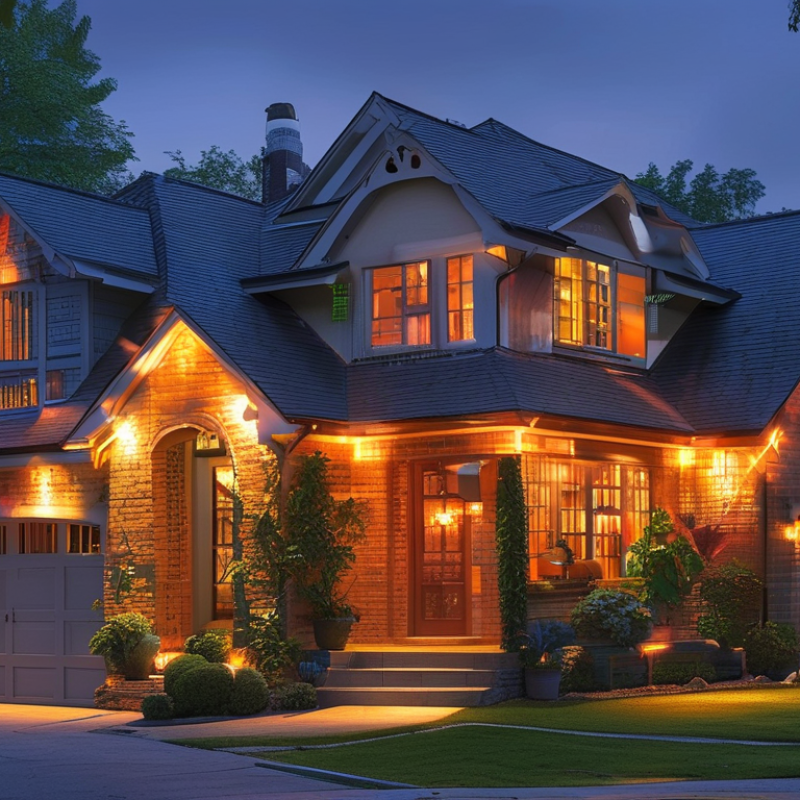
Understanding Color Temperature in Outdoor Security Lighting
When it comes to outdoor security lighting, understanding color temperature is essential. Color temperature, measured in Kelvins (K), impacts how we perceive light. It influences mood, safety, and visibility. Most outdoor security lights fall between 2700K and 6500K.
Warmer lights (below 3000K) produce a cozy glow, but may lack clarity. Cooler lights (above 4000K) enhance sharpness and detail, which is crucial for security.
A notable aspect of outdoor security lighting is its effect on visibility. A color temperature of around 4000K to 5000K is often ideal. This range provides a bright, daylight-like quality. It helps residents and cameras see intruders clearly. However, it might also attract insects, creating a potential drawback.
Consider the environment where the lighting is installed. In residential areas, warmer lights may blend better with the surroundings. On the other hand, commercial properties may benefit from cooler lights, enhancing security measures. Finding the right balance requires thought. Too much light can create glare, while too little can offer no security at all. Exploring these nuances ensures outdoor spaces are safe and welcoming.
Key Considerations for Selecting Color Temperatures
Choosing the right color temperature for outdoor security lighting is crucial. Most experts suggest a range between 2700K to 6500K. Warmer lights around 2700K offer a more inviting feel. However, they may not illuminate large areas effectively. The cooler temperatures, around 5000K to 6500K, provide a bright and clear light. They enhance visibility, making it easier to recognize potential threats.
Consider the area you are lighting. For residential settings, a warm light may create a cozy environment. In contrast, brighter lights are better for commercial spaces. Observe the surroundings to determine the best fit. Sometimes, a combination of temperatures works best. Mixing warm and cool lights can create depth and enhance security without being overly harsh.
Be mindful of the placement of your lights. Fixture position can affect how the light spreads and performs. A light placed too high may leave dark corners, reducing safety. Regularly assess your lighting setup. Over time, you may notice areas that need adjustment. This can lead to better illumination and enhanced security.
Top Color Temperature Options for Different Outdoor Settings
Choosing the right color temperature for outdoor security lighting is essential. It affects visibility, safety, and ambiance. Color temperature is measured in Kelvin (K), and different settings require different temperatures.
For residential areas, a warmer color temperature, around 2700K to 3000K, creates a cozy environment while ensuring visibility. This setting is inviting for homeowners and guests alike. In contrast, commercial spaces benefit from cooler temperatures, like 4000K to 5000K. This range enhances clarity and deters unwanted activity. Bright white lights can sometimes feel harsh, so finding a balance is key.
Parks and pathways often use intermediate temperatures, around 3500K. This offers safety without being too sterile. However, overly bright lights can create shadows or glare, making areas feel unsafe. Reflect on how lighting interacts with your landscape. The ambient light can either highlight features or create unwanted dark spots. Adjusting your approach can improve security and enhance the outdoor experience.
Top 10 Best Color Temperatures for Outdoor Security Lighting
Comparing Warm vs. Cool Color Temperatures for Security Lighting
When it comes to outdoor security lighting, choosing the right color temperature can significantly affect safety and visibility. Warm color temperatures, usually between 2700K and 3000K, emit a soft, yellowish glow. This can create a welcoming atmosphere, ideal for residential areas. However, research indicates this may not be the best choice for security. A report from the International Security Lighting Association suggests warmer lights offer less visibility, making it easier for intruders to go unnoticed.
Cool color temperatures, typically ranging from 4000K to 6500K, produce a brighter, bluish-white light. This type of lighting enhances visibility, especially at night. A study from the Illuminating Engineering Society noted that bright lighting reduces crime rates by up to 30%. Additionally, cool lighting aids in recognizing colors and details better, crucial for identifying suspicious activity. However, some people might find this harsh and uninviting, particularly in residential settings.
Striking a balance between safety and comfort can be tricky. Some homeowners may prefer warmer lights for their aesthetic qualities, even if they compromise safety. Likewise, excessively bright lights can lead to light pollution, affecting nearby homes. It’s essential to weigh these factors carefully. While one option seems more effective, preferences and environmental impacts must also influence decisions on outdoor security lighting.
Tips for Effective Installation and Positioning of Security Lights
When installing outdoor security lights, proper positioning is crucial. Begin by assessing the area you want to illuminate. High-traffic zones, like entrances and driveways, must receive the most light. Motion sensors should be placed to cover large areas without blind spots. However, be aware of potential obstructions, such as trees or fences. These can block light and reduce effectiveness.
Consider the height of the lights. Mounting them too high may create harsh shadows. Lower installations provide better visibility but can be more vulnerable. Aim for a balance that offers adequate coverage while remaining safe from tampering. Don't overlook the importance of light color. Warmer tones create a welcoming atmosphere, while cooler lights enhance visibility during night hours.
Finally, check your light placement regularly. Over time, shifts in landscaping or wear and tear might affect performance. If you notice dark spots, rethink your layout. Lighting adjustments can make a significant difference in security. Always be willing to adapt to changing needs. This proactive approach will optimize your outdoor lighting setup.
FAQS
: A warmer color temperature of 2700K to 3000K is ideal for residential settings.
Cool temperatures, around 4000K to 5000K, enhance visibility and deter unwanted activity.
An intermediate temperature of around 3500K offers safety without a sterile feel.
Lighting can create shadows or glare, impacting the perception of safety. Reflecting on this is essential.
Warm lights, around 2700K to 3000K, can reduce visibility for spotting intruders, making them less secure.
Some homeowners may find cool lighting harsh and uninviting, despite its safety benefits.
Yes, bright lighting can reduce crime rates by up to 30% by enhancing visibility at night.
Striking a balance is tricky; aesthetic preferences may compromise safety for some homeowners.
Excessively bright lights can contribute to light pollution, disturbing nearby homes and environments.
No, they should also reflect on aesthetics and environmental impacts before deciding.
Conclusion
When considering outdoor security lighting, the question often arises: "What is the best color temperature for outdoor security lighting?" Understanding color temperature is crucial, as it influences visibility and ambiance. Warm colors (below 3000K) create a welcoming environment but may not provide the best visibility for security. In contrast, cooler temperatures (above 4000K) offer enhanced clarity and are generally more effective for security purposes.
Key considerations include the specific outdoor setting, the intended usage of the lights, and the surrounding environment. While warmer tones can be appropriate for residential areas, cooler shades are often recommended for commercial properties and areas needing heightened security. Ultimately, finding the right balance in color temperature, along with effective installation and strategic positioning of the lights, ensures optimal safety and visibility for any outdoor space.

 NexLt Light