As winter approaches, many wonder, "How do all in one solar street lights work in winter?" This question is crucial for urban planners and residents alike. According to Dr. Emily Johnson, a leading expert in solar technology, "Solar lights can still function effectively in winter, despite the reduced sunlight."
In winter, solar street lights face unique challenges. Shorter days and cloudy weather lead to concerns about energy storage and light output. High-quality solar panels and batteries play a critical role. They are designed to store enough energy for longer periods. Some models even include smart technology to optimize performance.
However, not all solar lights perform equally well in colder months. It's essential to consider location, panel efficiency, and battery capacity. Reflecting on the choices available can be overwhelming. Each factor significantly impacts how street lights illuminate pathways during winter nights. Identifying the right product can mean the difference between darkness and safety.
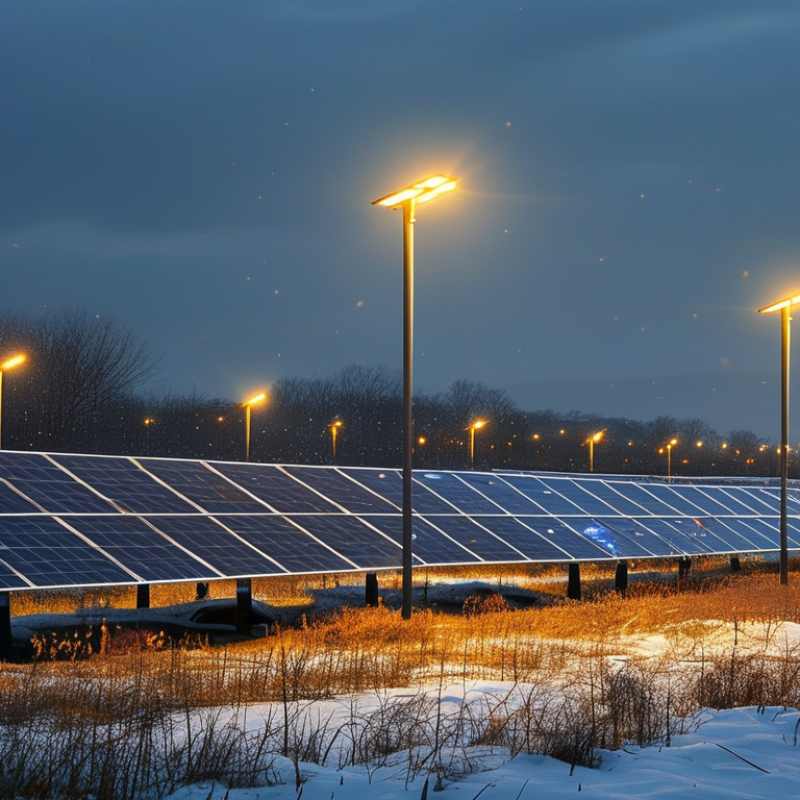
All-in-one solar street lights use integrated technology for efficient performance. These systems combine solar panels, batteries, and LED lights into a single unit.
During winter, various factors impact their functionality. Cold temperatures can affect battery efficiency. Solar panels also collect less sunlight due to shorter days and increased cloud cover.
Understanding how these lights function in winter is crucial. The energy storage capacity of batteries may decrease, leading to shorter operational times. Additionally, snow accumulation can block sunlight from reaching the solar panels. Design features, like tilt angles and heating elements, can help mitigate these issues. However, not all models incorporate these enhancements, which could leave some lights underperforming in harsh conditions.
Maintaining an all-in-one solar street light is essential for optimal performance. Regular cleaning of solar panels helps maximize energy absorption. Checking for obstructions like snow or debris improves reliability. Users should also monitor battery health regularly. A proactive maintenance approach can ensure consistent lighting, especially during the winter months when illumination is vital for safety.
All-in-one solar street lights are designed with several key components that ensure functionality, even in winter months. These lights typically include a solar panel, LED light, battery, and a controller. The solar panel captures sunlight, converting it into energy. However, during winter, reduced sunlight can decrease energy production. This limitation affects how long the lights can operate at night.
The built-in battery stores energy for nighttime use. In colder temperatures, battery efficiency can be compromised. This decrease in efficiency might lead to shorter lighting durations. The controller plays a crucial role in managing power distribution. It regulates the energy output to the LED light, ensuring it functions optimally. However, if the controller is not calibrated well, it could fail to maximize battery usage.
Moreover, the LED lights used must be designed for cold weather. Standard LEDs may not perform as well in low temperatures, resulting in dimmer lighting. Reflecting on these components reveals the importance of quality. Each part must work harmoniously. A failure in one part can diminish the overall effectiveness of the street light. Users should evaluate their systems regularly to ensure optimal performance during winter.
Winter conditions present unique challenges for solar street lights. Cold temperatures can significantly reduce battery efficiency. When temperatures drop, the capacity of lithium batteries diminishes. This often leads to inadequate power storage. Hence, lights may not perform optimally through long winter nights. Snow accumulation can block sunlight from reaching solar panels. This impairs energy absorption, further limiting functionality.
Additionally, shorter daylight hours in winter pose another issue. With less sunlight, solar panels receive limited charging time. This can leave street lights dim or entirely non-functional at night. It’s critical for designers to account for these seasonal variations. Some solutions include using larger panels or advanced battery systems. However, not all systems are designed to handle such extremes effectively.
On the other hand, maintenance becomes essential in winter months. Regular inspections help ensure that solar panels are clean and free from debris. Snow removal may also be necessary to maximize exposure to sunlight. These tasks require commitment. Without regular maintenance, even the best systems can falter. Therefore, understanding and addressing these challenges is key for reliable winter operation.
This chart illustrates the average performance metrics of all-in-one solar street lights during winter conditions. Battery efficiency tends to drop due to lower temperatures, which impacts LED brightness and overall run time.
Winter presents unique challenges for all-in-one solar street lights. The colder temperatures can affect battery efficiency and overall performance. To ensure these lights function effectively, it’s essential to adapt their use to winter conditions.
To optimize performance, consider installing the street lights at a tilt. This angle can maximize sun exposure even in limited daylight hours. Keeping the solar panels clear of snow and debris is vital. Regular maintenance helps prevent obstructions that can block sunlight.
Tips: Invest in batteries designed for cold weather. These models can retain charge better in frigid temperatures. Additionally, using energy-efficient LED bulbs reduces overall power consumption.
Lastly, be mindful of the location. Areas with frequent shade from trees or buildings will limit sunlight absorption. Evaluate the placement of each light to ensure it gets the most sun possible. Engaging with the local community can also provide insights on best practices.
| Parameter | Performance in Winter | Optimization Strategies |
|---|---|---|
| Solar Panel Efficiency | Reduced due to snow cover and shorter daylight hours | Install panels at a steeper angle |
| Battery Performance | Decreased capacity in cold temperatures | Use high-quality lithium batteries |
| LED Lighting Output | Lower output in extreme cold | Select warm white LEDs for efficiency |
| Monitoring Systems | May require additional power | Ensure energy-efficient monitoring |
| Snow Accumulation | Can block solar panels | Regularly clear snow from panels |
In winter, all-in-one solar street lights face unique challenges. Snow and ice can obstruct solar panels, reducing their efficiency. It's crucial to ensure that the panels remain clear. Regular checks are essential. Industry reports indicate that solar street lights can lose up to 30% of their efficiency in winter conditions. Taking preventive measures can boost performance.
Cleaning the solar panels should be a priority. Use soft brushes or cloths to avoid scratching the surface. Additionally, inspection of the battery is important. Batteries can experience lower performance in cold temperatures. A well-maintained battery can retain up to 80% of its capacity during winter months. However, keep an eye on the charge levels. Inadequate charging can lead to shortened operating hours.
Proper positioning of lights also matters. Avoid putting them in shaded areas. Placement should maximize sun exposure. Consider the surrounding trees and buildings. It’s common to find solar lights insufficiently charged due to poor positioning, impacting visibility at night. Being proactive in these aspects can lead to more effective winter performance.
: They combine solar panels, batteries, and LED lights into a single unit for efficient outdoor lighting.
Cold temperatures can reduce battery efficiency and solar panel performance, leading to shorter operational times.
Yes, snow can block sunlight from reaching solar panels, hindering energy absorption and light production.
Install them at a tilt to maximize sunlight exposure and keep solar panels clear of snow and debris.
Regularly clean solar panels, check for snow obstructions, and monitor battery health to ensure reliable operation.
Yes, investing in cold weather batteries can enhance charge retention and overall performance in low temperatures.
Location matters; trees or buildings casting shadows can limit sunlight absorption and reduce the lights' effectiveness.
Assess their positioning, clean panels, and consider if the model has features to handle harsh conditions.
Engaging with locals can provide valuable insights about effective practices and optimal placement for solar lights.
The article titled "How Do All in One Solar Street Lights Function in Winter?" explores the technology behind all-in-one solar street lights and how their components operate in cold weather. It discusses the challenges these lights face during winter, such as reduced sunlight hours and colder temperatures affecting battery performance. Furthermore, the article outlines effective strategies to optimize the performance of solar street lights in winter conditions, including the use of energy-efficient LEDs and proper placement for maximum sun exposure.
Additionally, maintenance tips are provided to ensure these lights remain functional during the winter months. By addressing these aspects, the article sheds light on how do all in one solar street lights work in winter, ensuring they continue to provide reliable lighting even in challenging weather conditions.

NexLt Light